
Padua
Ancient university city in Veneto with Giotto frescoes and St. Anthony's Basilica
Padua's history is a tapestry woven from ancient roots and medieval prominence. Originally a settlement of the Veneti, an ancient Italic people, the city was later incorporated into the Roman Empire as Patavium, where the historian Livy was born. During the Middle Ages, Padua emerged as a free commune and a rival to Venice, engaging in frequent conflicts while developing a strong civic identity. The establishment of the University of Padua in 1222 transformed the city into an intellectual beacon, attracting scholars from across Europe. Notable figures such as Galileo Galilei, who taught here and made groundbreaking astronomical observations, and Petrarch, who studied law, are closely associated with the university. In 1405, Padua fell to the Republic of Venice, entering a period of relative stability and cultural flourishing known as the Venetian era. This time saw the construction of many of the city's most iconic buildings and the flourishing of art, particularly in the late Gothic and Renaissance styles. The city remained under Venetian rule until 1797, leaving a legacy of architectural elegance and administrative sophistication.
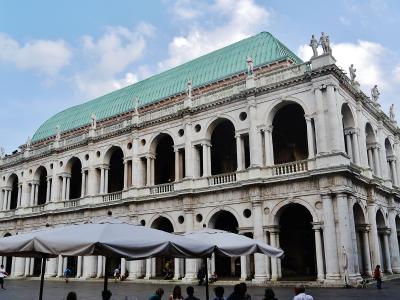
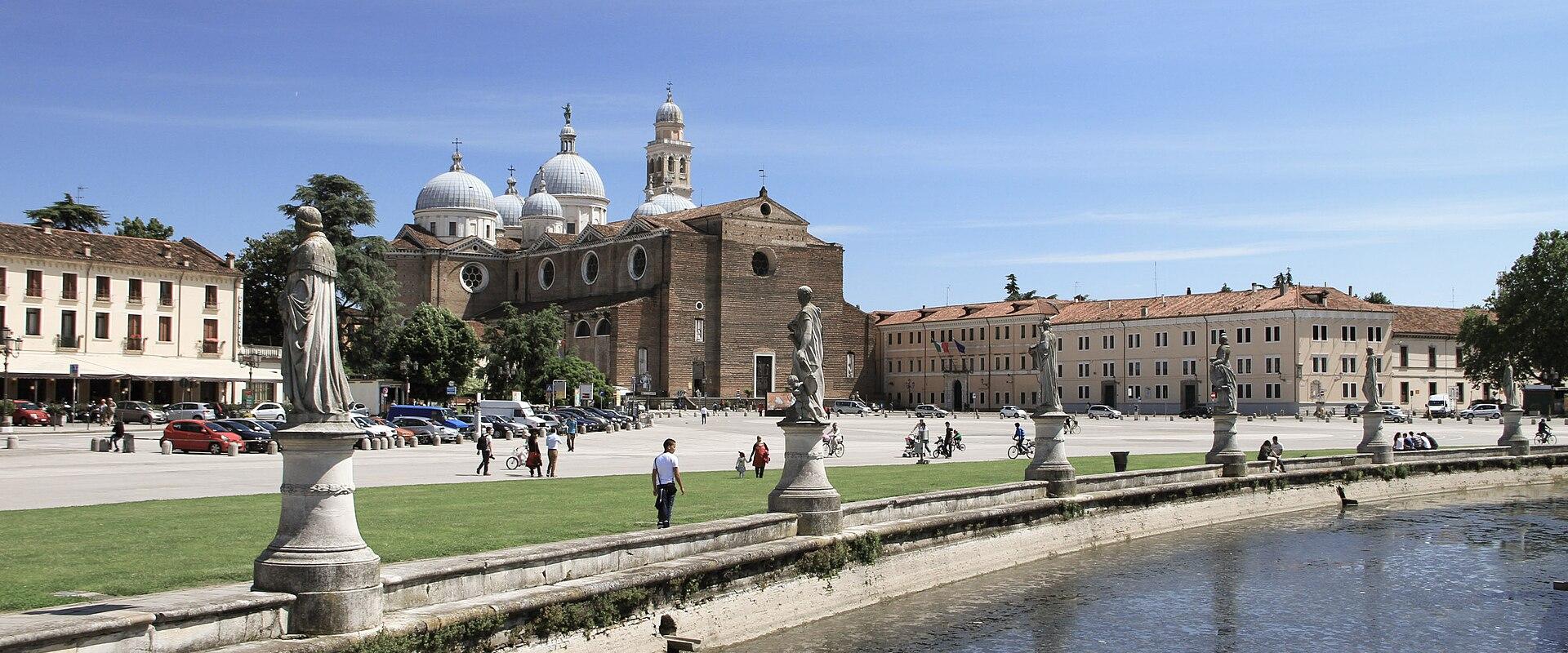
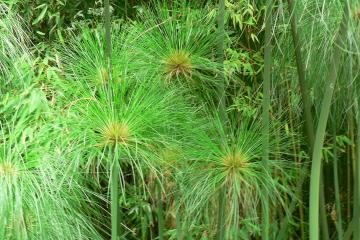
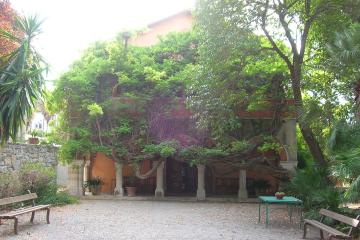
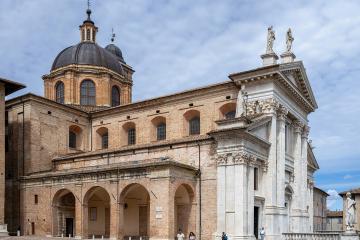
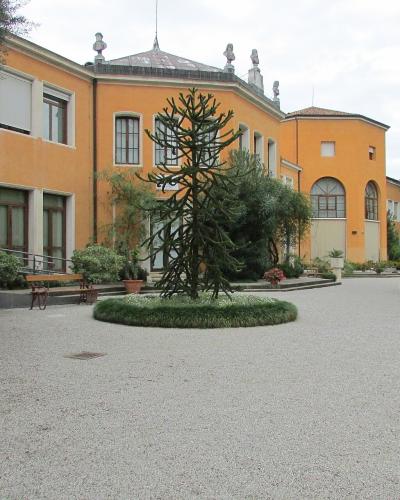
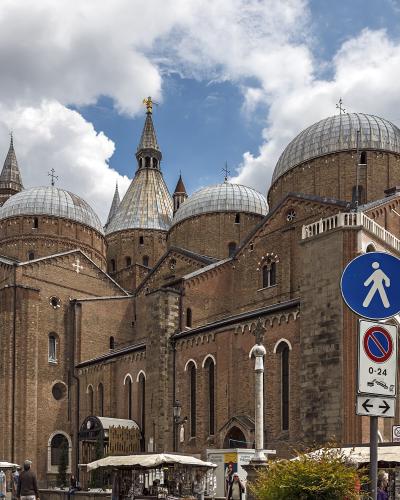
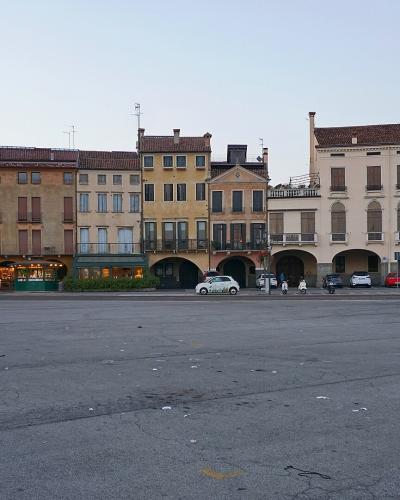
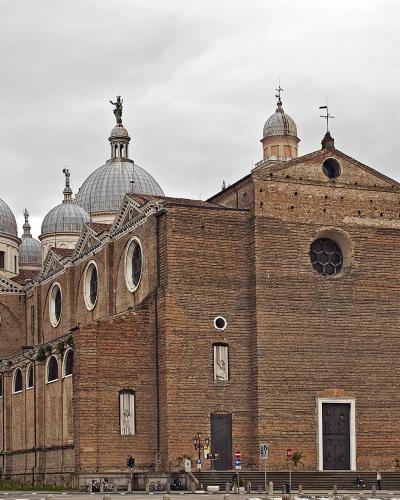
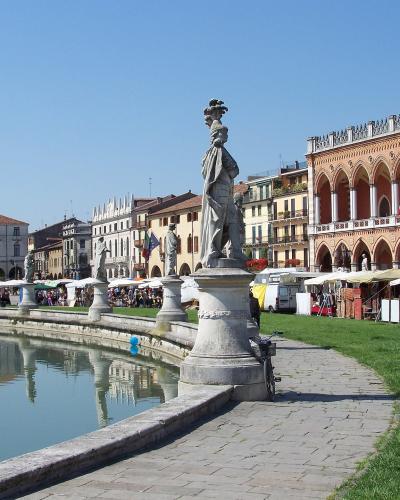
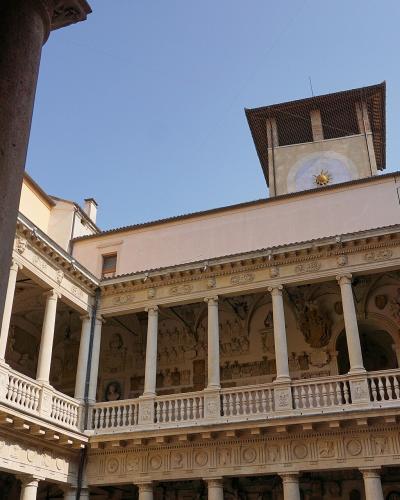
The main attractions in Padua are centered around its artistic and religious heritage. The Scrovegni Chapel, also known as the Arena Chapel, is a masterpiece of medieval art, housing Giotto's cycle of frescoes depicting the Life of Christ and the Virgin Mary. These frescoes are considered revolutionary for their naturalism and emotional depth. The Basilica of Saint Anthony, a massive pilgrimage church, houses the tomb of Saint Anthony of Padua and features a blend of Romanesque, Gothic, and Byzantine architectural styles. The Prato della Valle, one of the largest elliptical squares in Europe, is a unique urban space surrounded by a canal and statues, offering a scenic spot for relaxation. The University of Padua's historic buildings, including the Old Anatomy Theatre and the Botanical Garden (Orto Botanico), the oldest academic botanical garden in the world, are significant historical sites. The Palazzo della Ragione, a large medieval hall with a distinctive roof, houses frescoes and serves as a symbol of civic power. Other notable sites include the Eremitani Church ruins and the Cathedral of Santa Maria Assunta.
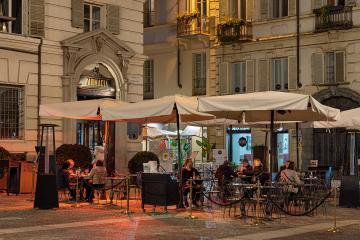
Activities in Padua range from cultural exploration to leisurely strolls. Visitors can explore the arcaded streets, visit museums such as the Museo Civico agli Eremitani, and enjoy the vibrant café culture. The city is also a gateway to the Venetian Lagoon and the Euganean Hills, where visitors can enjoy wine tasting and thermal baths. Cycling is a popular activity, with dedicated paths connecting the city to nearby towns. Padua is also known for its culinary scene, offering traditional Venetian and Paduan dishes such as risotto al nero di seppia (squid ink risotto) and bigoli con l'anatra (pasta with duck sauce). The city hosts various festivals and events throughout the year, including the Feast of Saint Anthony in June.
Getting to Padua is convenient via rail and road. The city is well-connected by high-speed trains to Venice, Milan, and Bologna, with the journey from Venice taking only 30-40 minutes. Padua has a major railway station, Padova Centrale, and a network of local buses. For those traveling by car, the A4 motorway passes near the city, with easy access from Venice and Verona. The best time to visit Padua is from April to June or September to October, when the weather is mild and pleasant, ideal for walking tours and outdoor activities. Summer can be hot and humid, while winter is cold and foggy, typical of the Po Valley. Despite the seasonal variations, Padua's indoor attractions and rich history make it a rewarding destination year-round.
Best Time to Visit
Visit between April and June or September and October for mild temperatures and fewer crowds.
Did you know?
Interesting, verified facts about Padua
Padua Is Shaped by a River
HistoryPerched at an elevation of 12 meters on the banks of the Bacchiglione River, it serves as the capital of the Province of Padua.
Source: Padua - WikipediaPadua Has Another Verifiable Detail
Notable PersonPadua offers a distinct atmosphere compared to its more crowded neighbor, Venice, characterized by elegant arcaded streets, vibrant student life, and significant artistic treasures.
Source: Padua - WikipediaPlan Your Visit to Padua
Essential travel tips and information for your trip to Padua.
Suggested Itineraries
One Day in Padua
1 dayPerfect for a quick visit. See the main highlights and get a taste of local culture.
Extended Padua Experience
2-3 daysComprehensive exploration including nearby attractions and cultural experiences.
Travel Tips
Currency
EUR • Cards widely accepted
Language
Italian • English in tourist areas
WiFi
Free WiFi in cafes and hotels
Explore Padua by Interest
Discover attractions and experiences in Padua organized by your interests and travel preferences.
All attractions in Padua
Sorted by our recommendation score
Quick Facts
Book your stay
Frequently Asked Questions
More destinations in Veneto and the Dolomites
Explore other amazing places in the Veneto and the Dolomites region