







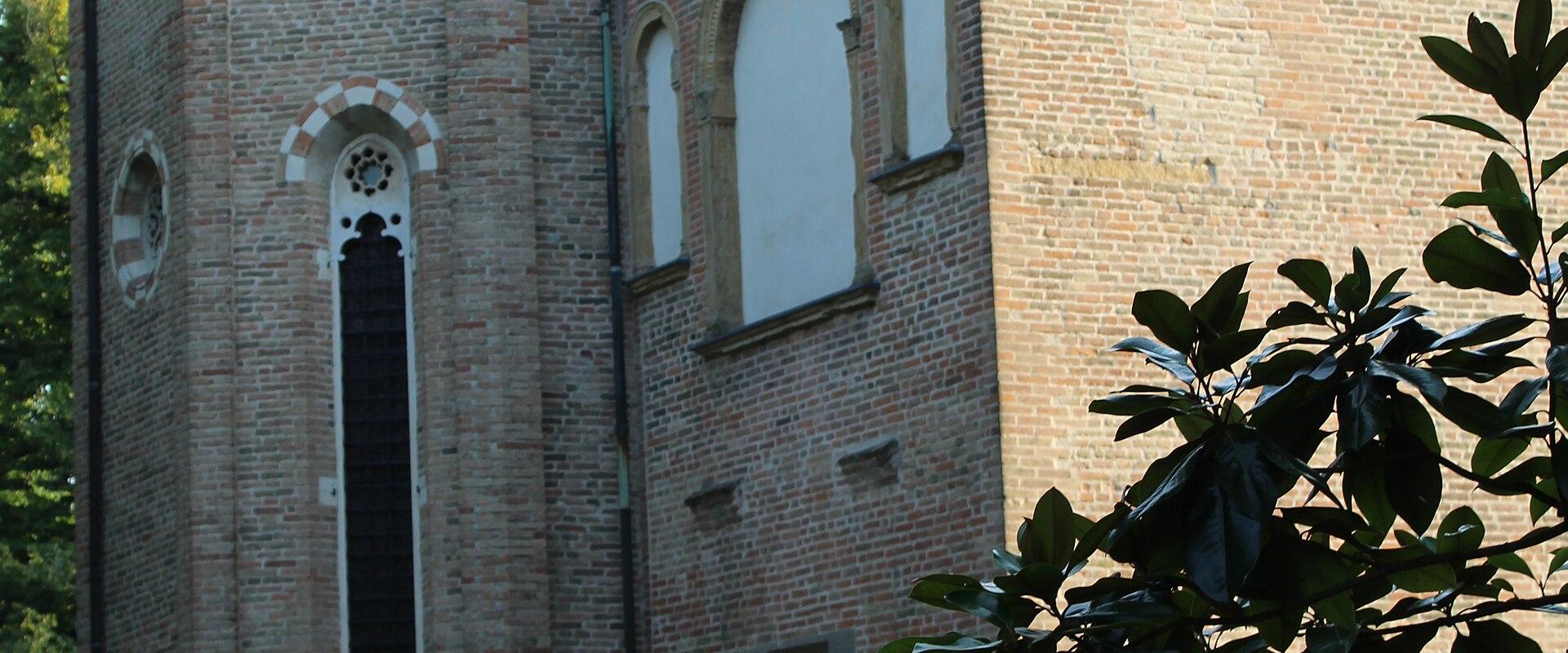
Scrovegni Chapel (Cappella degli Scrovegni)
Giotto’s 14th-century frescoes in Padua
- Admission
- €16 full, €11 reduced, €7 Padua residents
- Hours
- Daily 09:00-19:00; Closed May 1, Dec 25-26, Jan 1
- Where
- Padua, Veneto and the Dolomites
- Directions
- Directions
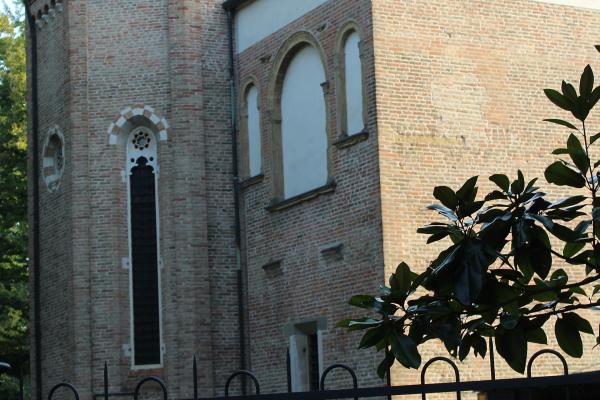
The Scrovegni Chapel (Cappella degli Scrovegni) in Padua is home to one of the greatest cycles of paintings in the history of Western art, the frescoes by Giotto, which cover the entire interior. The chapel was built around 1303 for Enrico Scrovegni, a rich banker whose father, Reginaldo, was a moneylender so notorious for usury that Dante placed him in hell in the Inferno. Enrico seems to have wished to make amends for his family’s sins and to provide a memorial for them, and he built a private chapel next to his palace on the site of a Roman arena, and dedicated it to the Virgin of the Annunciation. He commissioned the Florentine painter Giotto, the most celebrated artist of the age, and Giotto completed the work in around two years, between 1303 and 1305.
The chapel is a simple rectangular hall with a barrel-vaulted ceiling and a small apse, but its walls are covered with scenes painted in fresco in bright colours, and the vault is a deep blue sky scattered with gold stars. The paintings tell the story of salvation in three tiers. The top row shows the lives of the Virgin’s parents, Joachim and Anna, and the second and third rows show scenes from the life of the Virgin and the life of Christ, from the Annunciation and the Nativity to the Kiss of Judas, the Crucifixion and the Resurrection. The entrance wall is filled with a great Last Judgment, in which Enrico Scrovegni himself is shown offering a model of his chapel. Below, a series of painted allegories in grisaille show the Virtues and Vices.
The importance of the frescoes lies in the revolution they brought to the early Renaissance. Before Giotto, painting in Italy followed the flat, stylised patterns of Byzantine art, but here the figures have weight and volume, and they move in believable space, with natural gestures and emotions. The scenes are full of human feeling, among them the grief of the mourners in the Lamentation, in which angels wheel in the sky above Christ’s body, and they changed the course of European painting. The chapel was included in 2021 in the UNESCO World Heritage listing of the 14th-century fresco cycles of Padua.
The chapel is part of the network of Museums and Libraries of Padua, the MEB, and the entrance is through the Museo Eremitani, at Piazza Eremitani 8. Visits are possible only by advance booking, as numbers are limited to protect the frescoes, and they are carefully timed, with a short stay in a climate-controlled room before entering the chapel. The booking is made on the chapel’s official website, and the ticket prices and opening times vary, so check them early, especially in high season. A visit lasts around fifteen to twenty minutes, so allow time to see the Musei Civici agli Eremitani and the Eremitani Chapel Ruins nearby. The Basilica of Saint Anthony of Padua, the Palazzo del Bo, the Caffè Pedrocchi and the Prato della Valle are all within walking distance. The chapel suits anyone interested in art history, and it is a highlight of northern Italy.
Categories
More photos coming soon
Hours & Fees
- Open
- Daily 09:00-19:00; Closed May 1, Dec 25-26, Jan 1
- Admission
- €16 full, €11 reduced, €7 Padua residents
Hours and prices change, especially out of season. Check with the venue before you go.
Nearby Attractions
Other places to visit in Padua
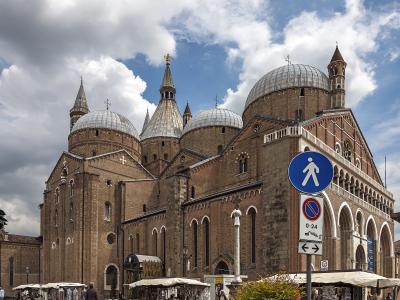
Basilica of Saint Anthony of Padua (Basilica di Sant'Antonio)
World-renowned pilgrimage site housing Saint Anthony's re...
Free Architectural Monuments · Cultural Tours
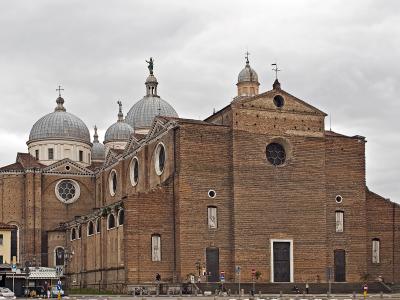
Basilica of Saint Justina (Basilica di Santa Giustina)
16th-century basilica housing 4th-century relics
Architectural Monuments · Cultural Tours
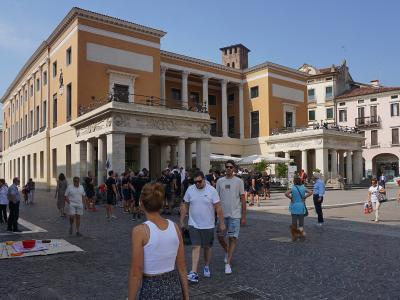
Caffè Pedrocchi
Padua's oldest historic café and Risorgimento museum
Food & Gastronomy · History & Heritage
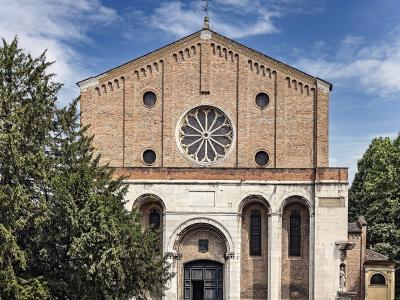
Eremitani Chapel Ruins
15th-century Mantegna frescoes in a restored medieval church
Ancient Ruins · Art Museums
Questions people ask
Quick Facts
€16 full, €11 reduced, €7 Padua residents
Best Time to Visit
Visit between April and June or September and October for mild temperatures and fewer crowds.