







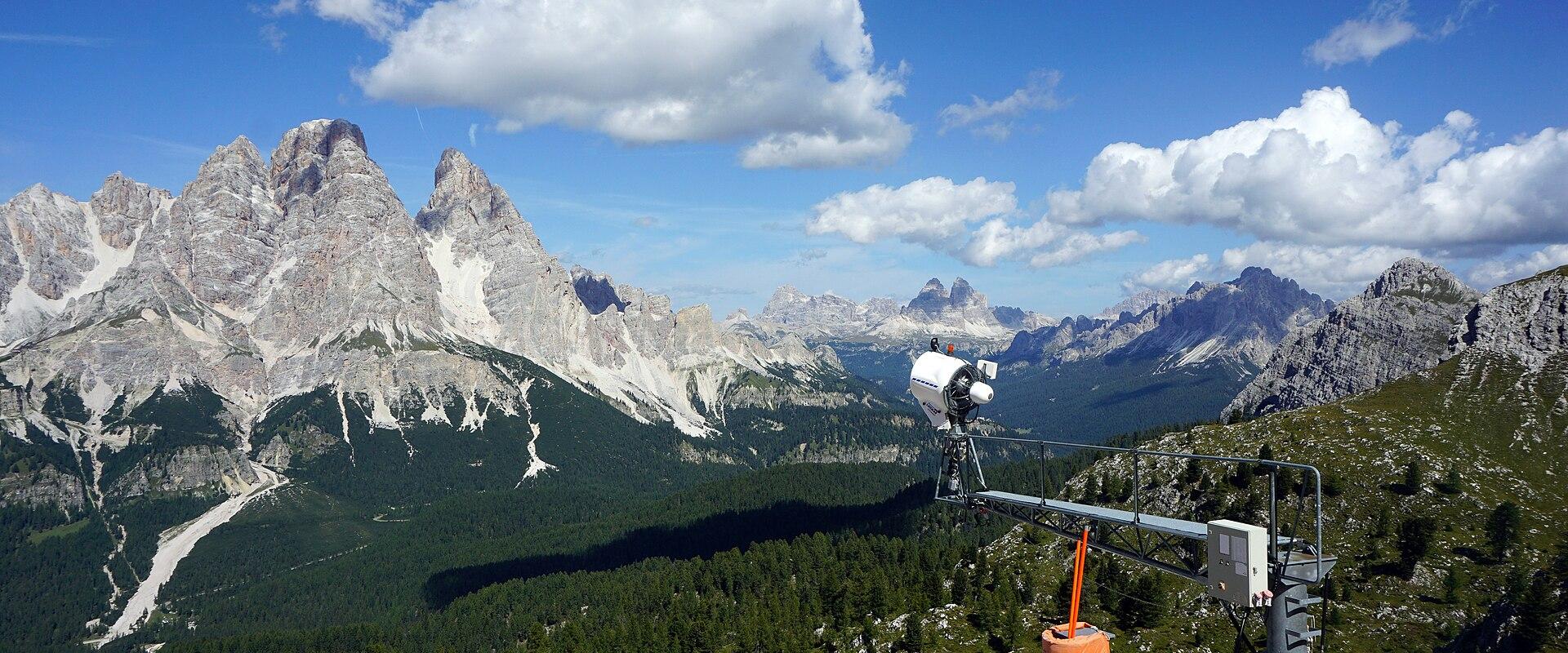
Cortina D'ampezzo
Luxury Dolomite resort town with Olympic history and high-end shopping
Cortina d'Ampezzo’s history is deeply rooted in its Ladin heritage and its position in the Ampezzo Valley. Originally a small agricultural and mining community, the town gained international prominence in the late 19th and early 20th centuries as a destination for aristocratic visitors who loved the mountains. The construction of the first ski lifts in the 1930s began its change into a modern ski resort. After the interruption of World War II, it hosted the 1956 Winter Olympics, cementing its status as a global winter sports hub. During the war Cortina was occupied by German forces, and Allied prisoners were held in the region. In the post-war era the town became a glamorous destination for celebrities and the wealthy, known for its après-ski scene and luxury shopping. Today Cortina preserves its historic centre, with elegant buildings and a distinct Ladin cultural identity, while offering modern sports facilities.
The main attractions are centred on the natural surroundings and the Olympic heritage. The Tre Cime di Lavaredo, three famous peaks a short drive away, attract photographers and hikers. The Tofana di Rozes and Faloria mountains offer extensive ski slopes in winter and hiking trails in summer, and cable cars lift visitors to high viewpoints. The Olympic Stadium, built for the 1956 Games, is a key historical site. The Chiesa di San Nicolò, also known as San Nicolò ad Ospitale, is among the oldest buildings in the area, and the town centre has a parish Church with a tall bell tower, a Palazzo housing the museums of the Regole d'Ampezzo, and luxury boutiques. The Lago di Misurina, a nearby mountain lake, is a popular place for walks, while the Lago di Fedaia lies farther south near the Marmolada glacier. The Rifugio Scoiattoli, a mountain hut in front of the Cinque Torri, offers lunch with a view of the rock towers. The Dolomites, a UNESCO World Heritage Site, give a dramatic backdrop to all activities.
Activities in Cortina include skiing, snowboarding, hiking, and mountain biking. The town is part of the Dolomiti Superski area, with over 1,200 kilometres of slopes. In summer the area is ideal for trekking, with trails from easy walks to demanding Alpine routes, and many of the huts serve hot meals. Cortina also hosts fashion and cultural events. The local cuisine features traditional Ladin dishes such as canederli (bread dumplings), speck, and polenta, paired with local wines. Visitors can take guided tours to learn about the town’s Olympic history and Ladin culture. Shopping includes high-end fashion, ski equipment, and local crafts. For those interested in nature, guided hikes to the Tre Cime and Lago di Sorapis are highly recommended, although the trail to Sorapis can be demanding.
Getting to Cortina is easiest by road. The town is reached by car from Venice, about 150 kilometres away, via the SS51 and SS49 roads, and the last part climbs through the Boite valley. Cortina has no railway station; the nearest stations are in Calalzo and Dobbiaco, with bus connections to the town. For those flying, the nearest airports are Venice Marco Polo Airport and Innsbruck Airport in Austria.
The best time to visit Cortina is from December to March for skiing and winter sports, or June to September for hiking and outdoor activities. July and August are peak summer months, while December and January are peak winter months. Despite the seasonal variations, Cortina’s Alpine beauty and luxury amenities make it a rewarding destination year-round.
Best time to visit
Visit between December and March for skiing or June and September for hiking and summer activities.
What to see in Cortina D'ampezzo
Our picks first.
Cortina Ski Resort
Dolomites ski town that hosted the Winter Olympics in 1956 and 2026
From €89 Activities & Wellness · History & Heritage
Lago di Fedaya
High-altitude Dolomite lake with Great War trenches
Activities & Wellness · Natural Wonders
Rifugio Scoiattoli
Mountain refuge with 5 Torri views and traditional cuisine
Free Guided Hikes · Hiking Trails
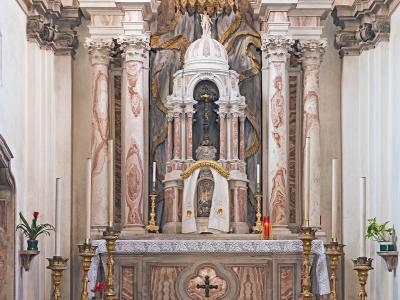
Chiesa di San Nicolò
Cortina's oldest building, consecrated in 1226.
Architectural Monuments · Historic Churches
Cortina D'ampezzo by interest
The same sights, grouped by what you came for.
Did you know?
Checked facts about Cortina D'ampezzo, each with its source.
-
Sports
Cortina Hosted the First Televised Winter Olympics
Cortina d'Ampezzo hosted the 1956 Winter Olympics, held from 26 January to 5 February, the first Winter Games to be televised. Seventy years later the town co-hosted the 2026 Winter Olympics with Milan.
Source: Topend Sports
Planning a visit to Cortina D'ampezzo
Itineraries that include Cortina D'ampezzo
Good to know
- Currency
- EUR
- Language
- Italian
Quick Facts
Book your stay
Questions people ask
More places in Veneto and the Dolomites
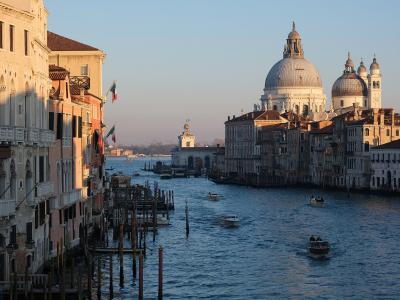
Veneto and the Dolomites
Venice
Historic lagoon city built on 118 islands with unique canal network
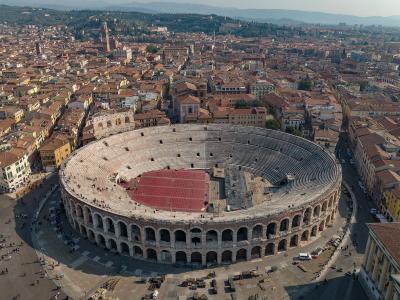
Veneto and the Dolomites
Verona
UNESCO-listed Roman amphitheater and Shakespearean city in Veneto
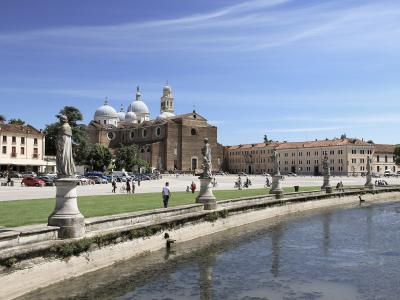
Veneto and the Dolomites
Padua
Ancient university city in Veneto with Giotto frescoes and St. Anthony's Basilica
Veneto and the Dolomites
Vicenza
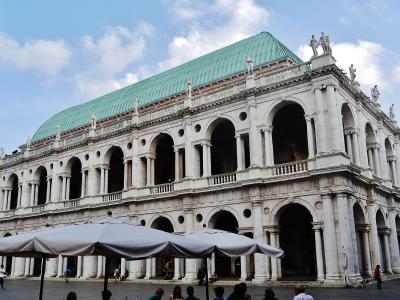
UNESCO-listed Renaissance city in Veneto known for Palladian architecture