







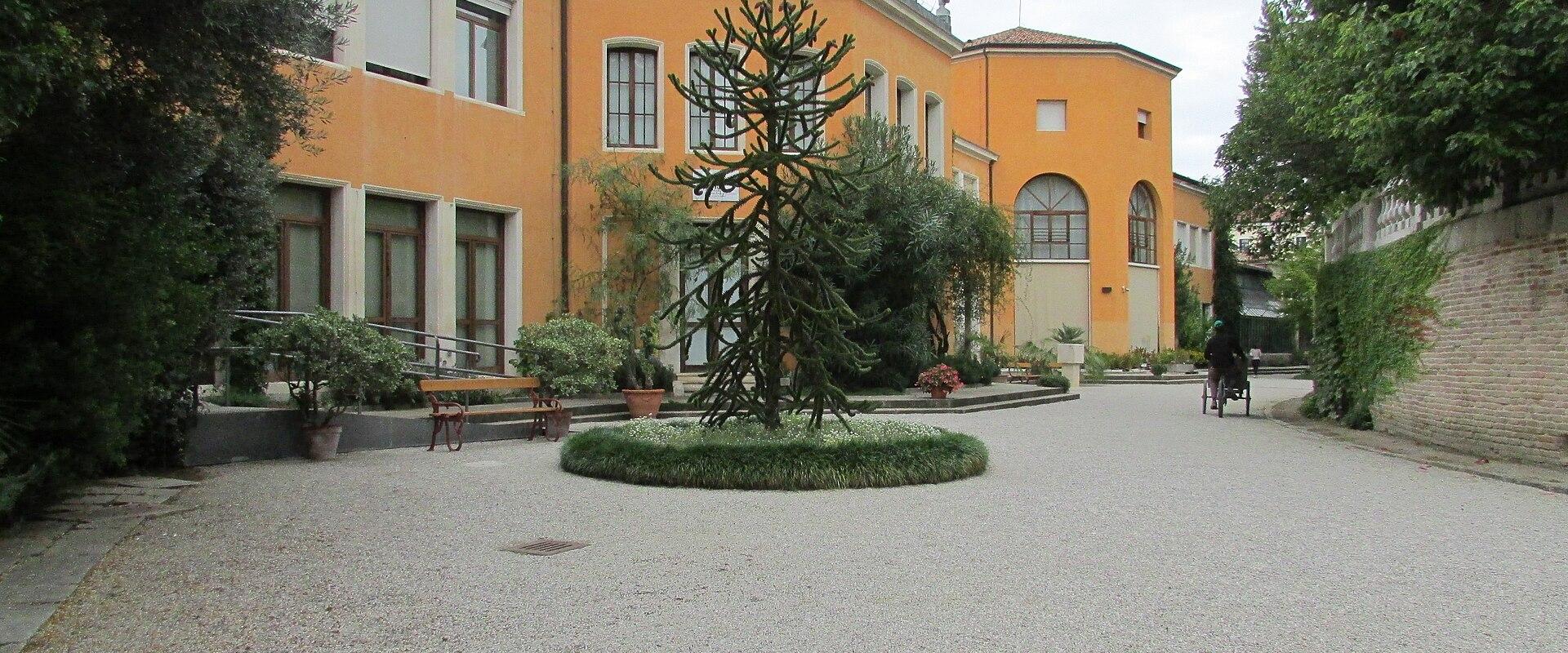
Orto Botanico di Padova
UNESCO-listed 1545 botanical garden with 3,500 plant species
- Hours
- Tuesday to Sunday and public holidays, 10:00 AM – 5:00 PM (last entry at 4:15 PM)
- Where
- Padua, Veneto and the Dolomites
- Directions
- Directions
The Orto Botanico di Padova, the Botanical Garden of Padua, is a UNESCO World Heritage site located between Prato della Valle and the Basilica of Saint Anthony, in the south of the old town. It was established in 1545 by the Republic of Venice, for the study of medicinal plants by the university's medical students, and it is the oldest academic botanical garden in the world still in its original location. It is a place where the story of modern botany began, and it is a centre for scientific research, conservation and education. UNESCO inscribed it in 1997 as the model for all later botanical gardens.
The original garden is a perfect circle, about eighty metres across, enclosed by a high wall, with a square plan inside, divided into four quarters, and an intricate pattern of beds. This design, the Hortus Cinctus, the enclosed garden, follows a Renaissance ideal of order, and the wall was built to protect the valuable plants from thieves. A fountain stands at the centre. The beds were laid out for the cultivation of medicinal plants, called simples, which were used by doctors to make remedies, and the Renaissance medicinal herb garden still shows these plants in their rows. The garden was the first to grow many plants brought from the New World and the Orient, among them the potato, the sunflower, the lilac and the jasmine, according to tradition, which then spread across Europe.
The most famous plant is Goethe’s Palm, a fan palm planted in 1585 and so called because the poet Goethe saw it in 1786 and was inspired to develop his theory of the metamorphosis of plants, which proposed that all plant parts are variations of a single basic form, the leaf. The palm still stands in its own greenhouse, a great tree about ten metres tall. A nearby ginkgo, a plane tree and a magnolia are among the oldest trees of their species in Italy.
Today the garden also features a modern Biodiversity Garden, opened in 2014, a large glasshouse complex that shows the plants of different climates, from tropical to arid and temperate, with about 3,500 plant species, and a Botanical Museum that tells the history of plant science. Visitors can choose between guided tours or self-organised visits, which include an audio guide in multiple languages, including a children's version, so they can explore at their own pace or gain deeper insights through expert narration. The site hosts events and exhibitions throughout the year.
Opening hours vary by season, with longer days in summer. Over the winter months, in December, January and February, the garden may have shorter hours and closing days, such as on Tuesday or on Sunday, so check the official schedule. Tickets can be bought online.
For visitors, the garden takes about an hour and a half, and it sits next to the Basilica of Saint Anthony and a short walk from Prato della Valle. The Scrovegni Chapel and the old town are within reach. Exploring Padua’s garden is a pleasure in spring, when the beds are in flower, and in autumn, when the light is soft.
Categories
More photos coming soon
Opening Hours
- Open
- Tuesday to Sunday and public holidays, 10:00 AM – 5:00 PM (last entry at 4:15 PM)
Hours and prices change, especially out of season. Check with the venue before you go.
Nearby Attractions
Other places to visit in Padua
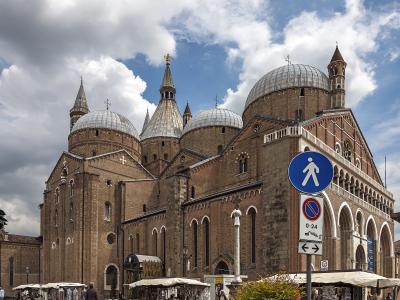
Basilica of Saint Anthony of Padua (Basilica di Sant'Antonio)
World-renowned pilgrimage site housing Saint Anthony's re...
Free Architectural Monuments · Cultural Tours
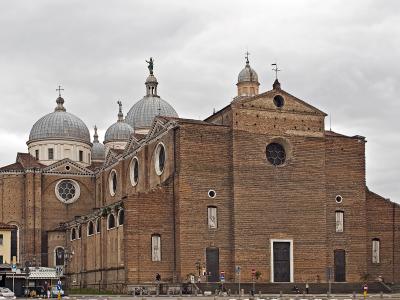
Basilica of Saint Justina (Basilica di Santa Giustina)
16th-century basilica housing 4th-century relics
Architectural Monuments · Cultural Tours
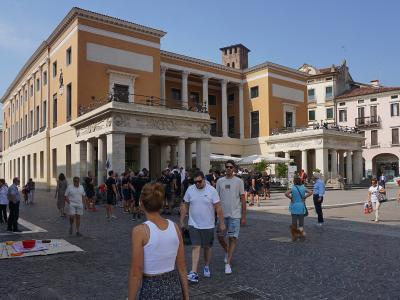
Caffè Pedrocchi
Padua's oldest historic café and Risorgimento museum
Food & Gastronomy · History & Heritage
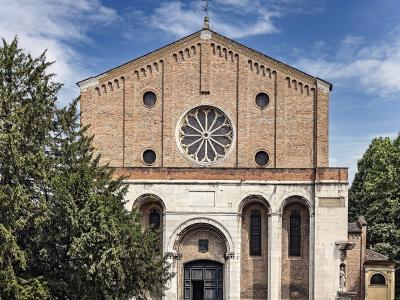
Eremitani Chapel Ruins
15th-century Mantegna frescoes in a restored medieval church
Ancient Ruins · Art Museums
Questions people ask
Quick Facts
Best Time to Visit
Visit between April and June or September and October for mild temperatures and fewer crowds.