







- Where
- Padua, Veneto and the Dolomites
- Directions
- Directions
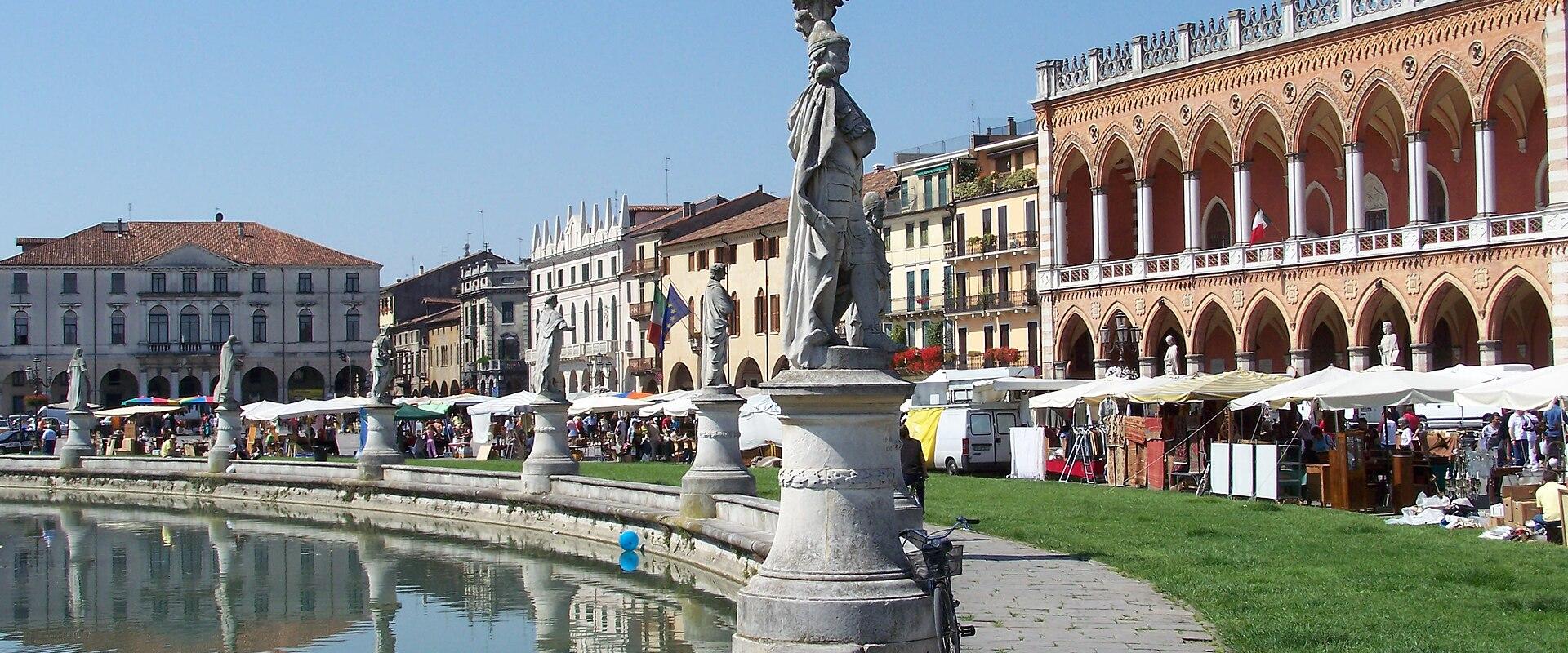
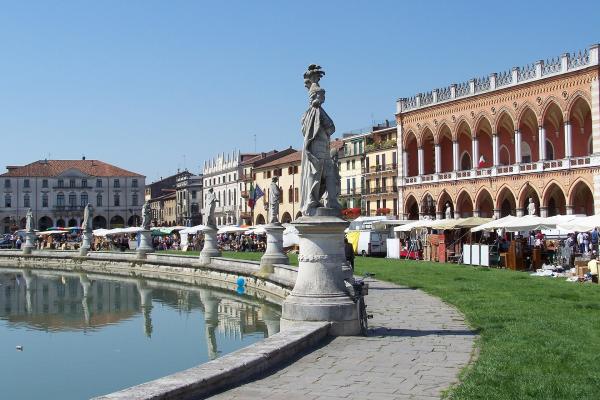
The Prato della Valle Market takes place in the largest square in Italy and one of the largest in Europe, a vast elliptical open space in the south of the old centre of Padua, and its market is one of the liveliest events of the city. The square covers about ninety thousand square metres. In Roman times, the area was a marshy site with a theatre, and in the Middle Ages it was used for fairs and a market, but in the 1770s, the Venetian administrator Andrea Memmo had it transformed into its present form. He had the ground drained and laid out an elliptical island in the centre, surrounded by a canal and bridges, and ringed with statues of famous people connected with Padua, such as scholars, saints, poets and rulers. There are seventy-eight statues, and among them are Galileo and Petrarch, so a stroll around the canal becomes a walk through the history of the city.
The market takes place around this central island and uses the wide paved areas. About one hundred and forty stalls are set up, and it works on a regular schedule, almost every day, with different types of products on different days. On Saturdays, the largest market is held, with stalls selling clothing, shoes, household goods, plants and flowers, and it lasts the whole day, until evening, with longer hours in summer. On weekday mornings, from Monday to Friday, fruit and vegetables are sold in the northern part of the square, opposite Palazzo Angeli, and on Saturdays, fresh produce is sold in the south-east section, so that local people can buy their food here. Check the current days and hours locally, since they can change with the season.
Visitors can enjoy the vibrant atmosphere of the market, which is both a place for shopping and a meeting place, with the sounds of traders and the colours of the goods. There are bargains in clothes and leather, and it is a good place to find local cheeses, cured meats, bread, vegetables and fruit, together with flowers and plants. A walk around the canal, under the trees, between the statues, with the benches along the water, allows you to rest and watch the crowds. The square is also used for events, concerts and fairs, and in the evenings, students from the nearby university fill the cafes.
The square is open to everyone, and entry is free. Because of its size, there is plenty of space, but on market days, the stalls can make it crowded, so go early for the best selection. On one side stands the Basilica of Saint Justina (Basilica di Santa Giustina), and the Basilica of Saint Anthony of Padua (Basilica di Sant’Antonio) is a short walk to the north, along with the Orto Botanico di Padova, the oldest university botanical garden in the world, and the Caffè Pedrocchi, the Palazzo del Bo, the University, the Scrovegni Chapel and the Eremitani Chapel Ruins. The Musei Civici agli Eremitani are also in the area. The market suits shoppers, food lovers and anyone who enjoys a lively open-air scene.
Categories
More photos coming soon
Nearby Attractions
Other places to visit in Padua
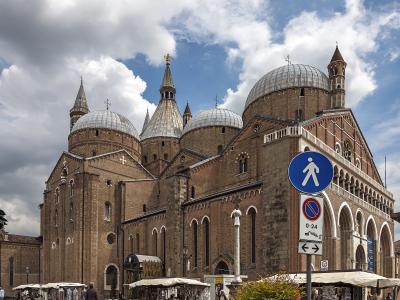
Basilica of Saint Anthony of Padua (Basilica di Sant'Antonio)
World-renowned pilgrimage site housing Saint Anthony's re...
Free Architectural Monuments · Cultural Tours
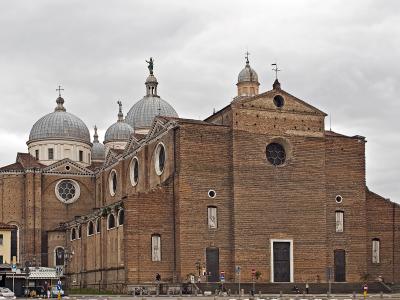
Basilica of Saint Justina (Basilica di Santa Giustina)
16th-century basilica housing 4th-century relics
Architectural Monuments · Cultural Tours
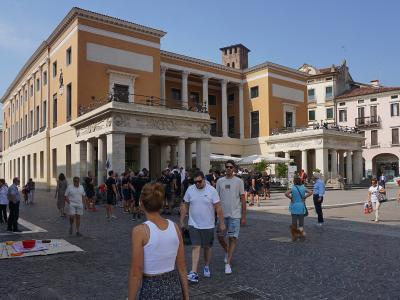
Caffè Pedrocchi
Padua's oldest historic café and Risorgimento museum
Food & Gastronomy · History & Heritage
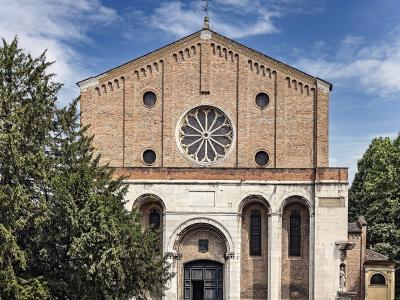
Eremitani Chapel Ruins
15th-century Mantegna frescoes in a restored medieval church
Ancient Ruins · Art Museums
Questions people ask
Quick Facts
Best Time to Visit
Visit between April and June or September and October for mild temperatures and fewer crowds.