







- Where
- Padua, Veneto and the Dolomites
- Directions
- Directions
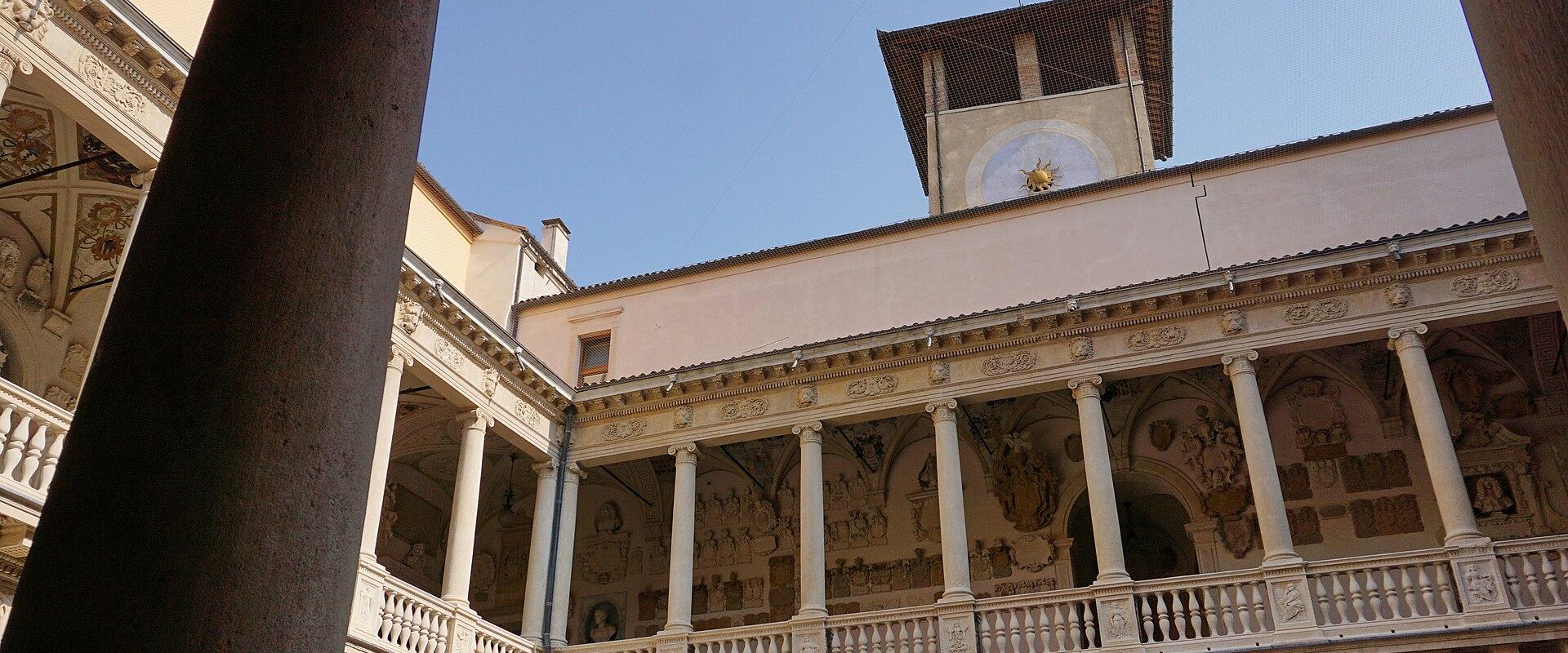
The Palazzo del Bo is the historic seat of the University of Padua, one of the oldest universities in Europe and the world. The university was founded in 1222, when a group of students and teachers left Bologna, and it moved to the building in 1493, when the old inn that had stood here, the Hospitium Bovis, the Inn of the Ox, was turned over to the university. The name Bo is a dialect form of the word for ox. The palace is on Via 8 Febbraio 1848, in the centre of the old town of this Municipality in the Veneto, and it is still in use. It houses the Rectorate and the School of Law, and its courtyards and halls are part of the university's daily life.
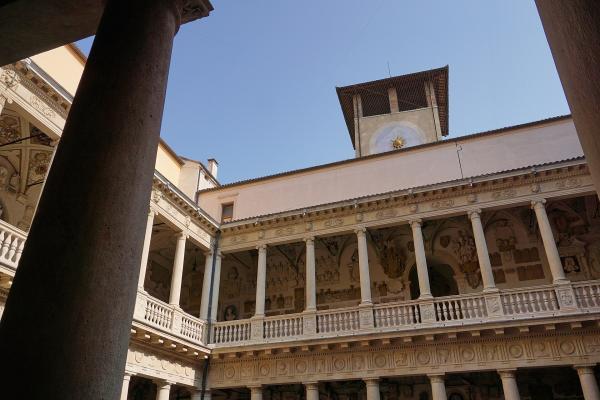
The building has a mix of styles. Its main courtyard, begun in the sixteenth century, is an elegant Renaissance space with two levels of loggias, and the walls and ceilings are covered with thousands of coats of arms painted by students and professors over the centuries, a record of the university's international community. A part of the complex was rebuilt in the 1930s in the Rationalist style, which gives the palace a modern wing next to the historic core. The Aula Magna, the great hall, has a ceiling and walls with painted decoration, and the lecture rooms show how teaching was done.
The most famous feature is the Anatomical Theatre, built in 1594 and considered the oldest permanent anatomical theatre in the world. It is a small wooden amphitheatre, shaped like a steep funnel, in which six tiers of standing places surround a central table. Students stood close enough to see dissections, and the structure is a vivid sign of how medical education developed at Padua, where Vesalius had taught in the sixteenth century and where the study of anatomy became a science. William Harvey, who later described blood circulation, studied here, and Galileo Galilei taught at Padua from 1592 to 1610, and his lectern is displayed in the palace.
Another curiosity is a statue of Elena Cornaro Piscopia, who in 1678 became the first woman in the world to receive a university degree, which was awarded at Padua. The palace also contains the Sala dei Quaranta, a room with portraits of famous students.
Visits are normally by guided tour, so check with the University of Padua or local tourism resources for current schedules and booking, because access may be limited by university activity. Plan about an hour. The palace is a few minutes from the Scrovegni Chapel and the Musei Civici agli Eremitani, and from Prato della Valle, the great elliptical square, so it fits into a day of sightseeing. The surrounding streets are lively with students, and Padua’s cafes are a pleasure.
More photos coming soon
Nearby Attractions
Other places to visit in Padua
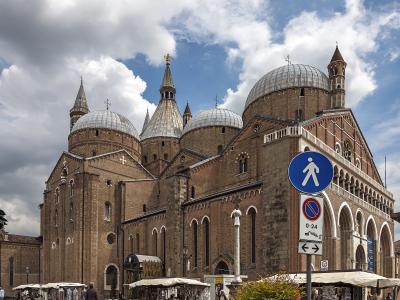
Basilica of Saint Anthony of Padua (Basilica di Sant'Antonio)
World-renowned pilgrimage site housing Saint Anthony's re...
Free Architectural Monuments · Cultural Tours
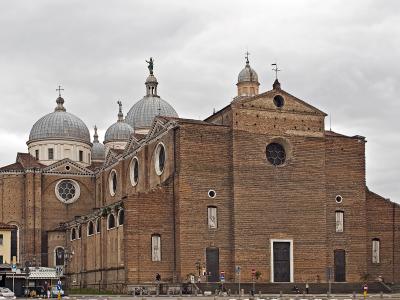
Basilica of Saint Justina (Basilica di Santa Giustina)
16th-century basilica housing 4th-century relics
Architectural Monuments · Cultural Tours
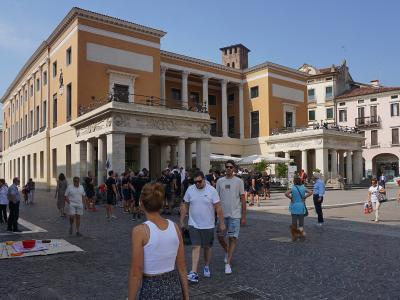
Caffè Pedrocchi
Padua's oldest historic café and Risorgimento museum
Food & Gastronomy · History & Heritage
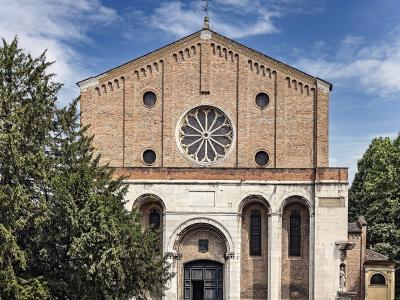
Eremitani Chapel Ruins
15th-century Mantegna frescoes in a restored medieval church
Ancient Ruins · Art Museums
Questions people ask
Quick Facts
Best Time to Visit
Visit between April and June or September and October for mild temperatures and fewer crowds.