







Vicenza
UNESCO-listed Renaissance city in Veneto known for Palladian architecture
Vicenza’s history goes back to pre-Roman times, with evidence of Etruscan and Venetian settlements, the latter meaning the ancient Veneti people. The city was conquered by the Romans in 150 BC and became a significant colony. During the Middle Ages Vicenza was contested between various powers, including the Scaliger family of Verona and the Republic of Venice. In 1404 it came under Venetian rule, a period that brought stability and prosperity. The 16th century was the city’s golden age, largely because of Andrea Palladio. Palladio, born in Padua but active in Vicenza, designed many palaces, villas, and public buildings that express Renaissance ideals of symmetry, proportion, and harmony. His work turned Vicenza into an open-air museum of Renaissance architecture. After the fall of the Venetian Republic in 1797 Vicenza passed through Austrian and French control before becoming part of Italy in 1866. The city’s architectural heritage was recognized by UNESCO in 1994, as the City of Vicenza and the Palladian Villas of the Veneto.
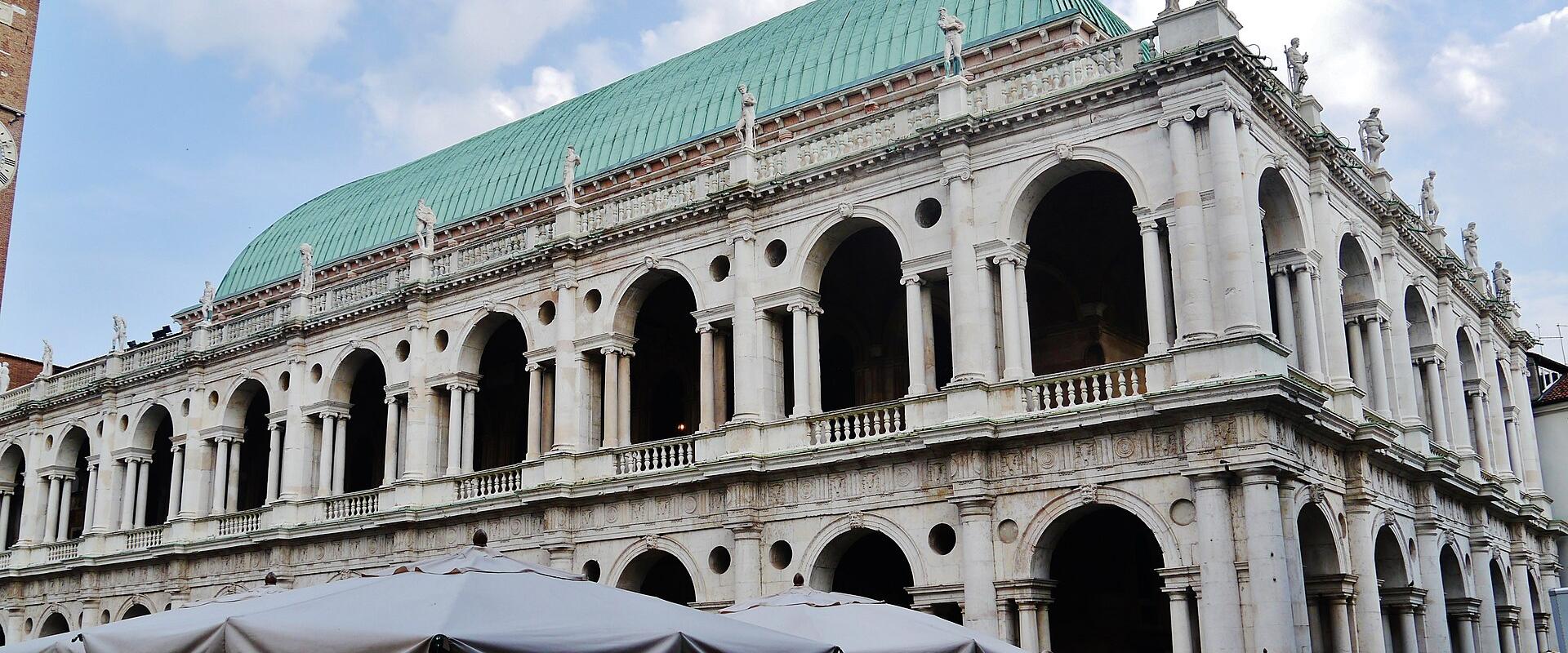
The main attractions are centred on Palladio’s masterpieces. The Basilica Palladiana, in Piazza dei Signori, is perhaps the most famous, with a double-loggia facade that Palladio added to the existing medieval structure; despite its name it is a civic building, not a church. The Teatro Olimpico, Palladio’s last design, is a remarkable example of Renaissance theatre architecture, with a permanent stage set showing the streets of ancient Thebes completed after his death by Vincenzo Scamozzi. The Palazzo Chiericati, now housing the Civic Museum, holds art collections and hosts exhibitions. The Villa Rotonda, located just outside the city centre, is one of Palladio’s most iconic works, a symmetrical country villa with a central dome and four identical porticoes. The historic centre has other Palladian palaces, such as Palazzo Barbarano and Palazzo Thiene, and the Baroque Palazzo Leoni Montanari, which holds a collection of Russian icons and Venetian paintings. The city also has numerous churches, including the Church of San Giorgio and the Basilica of Santa Corona, a Gothic church founded in 1261 by the Dominicans, with fine paintings. Monte Berico, the hill south of the city, is topped by a pilgrimage basilica and gives wide views over the roofs and the plain. The weekly markets of Vicenza, the Mercato di Vicenza, fill the squares and are a lively part of local life.
Activities in Vicenza include exploring the architectural sites, visiting museums, and enjoying the local cuisine. The city is known for traditional Venetian and Vicentine dishes, such as risotto, polenta, and baccalà alla vicentina, a dish of dried cod, with local wines, and Soave and Valpolicella from the neighbouring provinces. Visitors can take guided tours to learn about Palladio’s life and work. The surrounding countryside gives access to many of Palladio’s villas, which are open for visits. Vicenza also hosts festivals and events through the year, including the Vicenzaoro jewellery fair and the Palladio Festival. Shopping includes local ceramics, textiles, and luxury goods, especially gold. For those interested in history, guided tours explore the city’s Roman and Renaissance heritage.
Getting to Vicenza is convenient by rail and road. The city is well connected by train from Venice, Milan, and Verona, with frequent services to Vicenza station. By car, the A4 motorway provides easy access from Venice and Milan. The nearest airports are Venice Marco Polo Airport, about 60 kilometres away, and Verona.
The best time to visit Vicenza is from April to June or September to October, when the weather is mild and pleasant, ideal for outdoor attractions and historic sites. July and August are peak tourist months, with higher temperatures and larger crowds. Winter is cold but offers a quieter experience, with the city’s indoor museums and theatres providing cultural entertainment. Despite the seasonal variations, Vicenza’s rich architectural heritage and cultural offerings make it a rewarding destination year-round.
Best time to visit
Visit between April and June or September and October for mild temperatures and fewer crowds.
What to see in Vicenza
Our picks first.
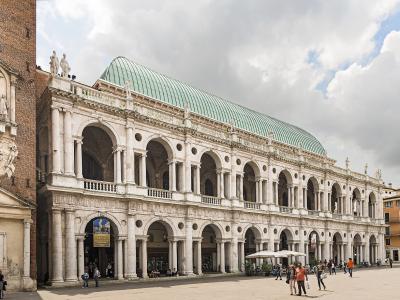
Basilica Palladiana
Renaissance civic building with distinctive white marble ...
From €4 Architectural Monuments · Cultural Tours
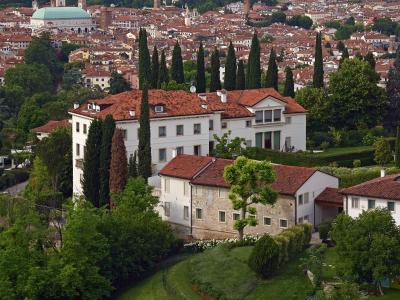
Monte Berico
Hilltop basilica with panoramic views of Vicenza
Hillside Trails · Historic Churches
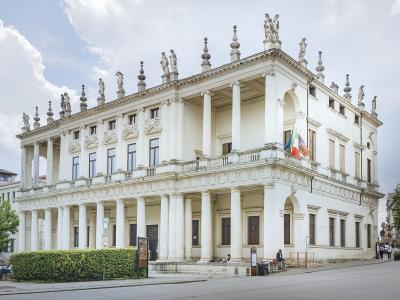
Palazzo Chiericati
Palladian Renaissance palace housing a civic museum
From €15 Architectural Monuments · Art Museums
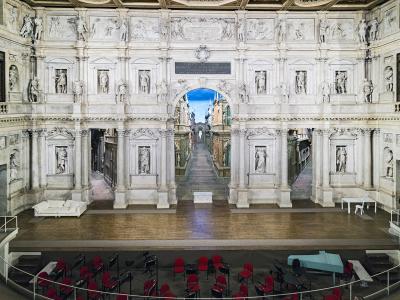
Teatro Olimpico
Renaissance theatre with Andrea Palladio's iconic stage
From €12 Architectural Monuments · Cultural Tours
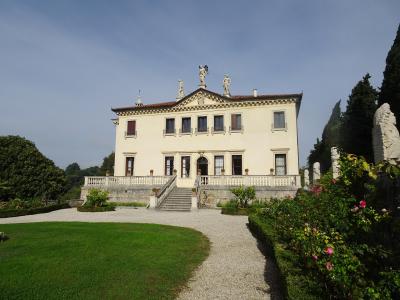
Villa Valmarana ai Nani
Villa with Palladian frescoes and rose gardens
Art Museums · Botanical Gardens
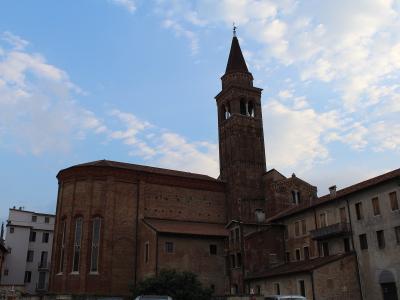
Basilica of Santa Corona
Gothic church housing a Holy Thorn relic
From €3 Art Museums · Historic Churches
Mercato di Vicenza
Weekly markets in Piazza dei Signori and Piazza delle Erbe
Free Local Cuisine · Local Markets
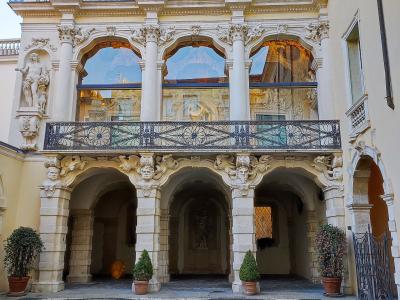
Palazzo Leoni Montanari
Baroque palace housing Gallerie d'Italia museum
Art Museums · Cultural Tours
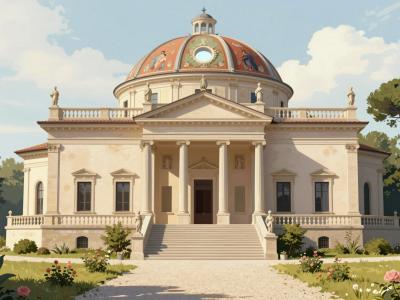
Villa Rotonda (Temple of the Muses)
Palladian villa with four identical temple fronts
Architectural Monuments · Historic Palaces
Vicenza by interest
The same sights, grouped by what you came for.
Planning a visit to Vicenza
Good to know
- Currency
- EUR
- Language
- Italian
Quick Facts
Book your stay
Questions people ask
More places in Veneto and the Dolomites
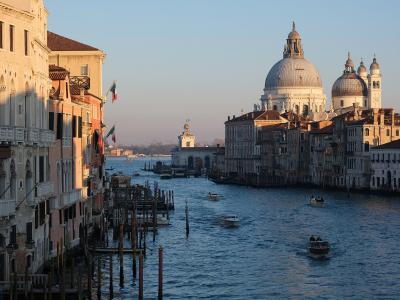
Veneto and the Dolomites
Venice
Historic lagoon city built on 118 islands with unique canal network
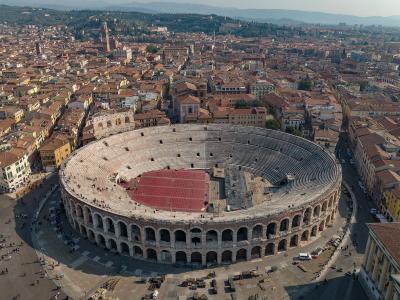
Veneto and the Dolomites
Verona
UNESCO-listed Roman amphitheater and Shakespearean city in Veneto
Veneto and the Dolomites
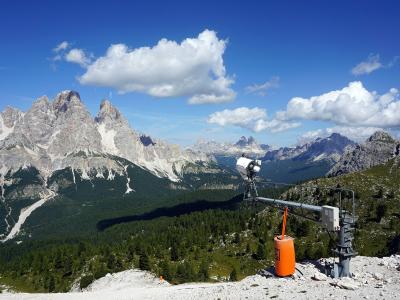
Cortina D'ampezzo
Luxury Dolomite resort town with Olympic history and high-end shopping
Veneto and the Dolomites
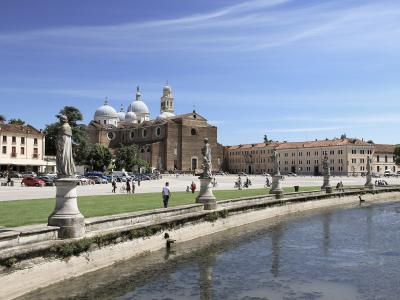
Padua
Ancient university city in Veneto with Giotto frescoes and St. Anthony's Basilica