







- Where
- Padua, Veneto and the Dolomites
- Directions
- Directions
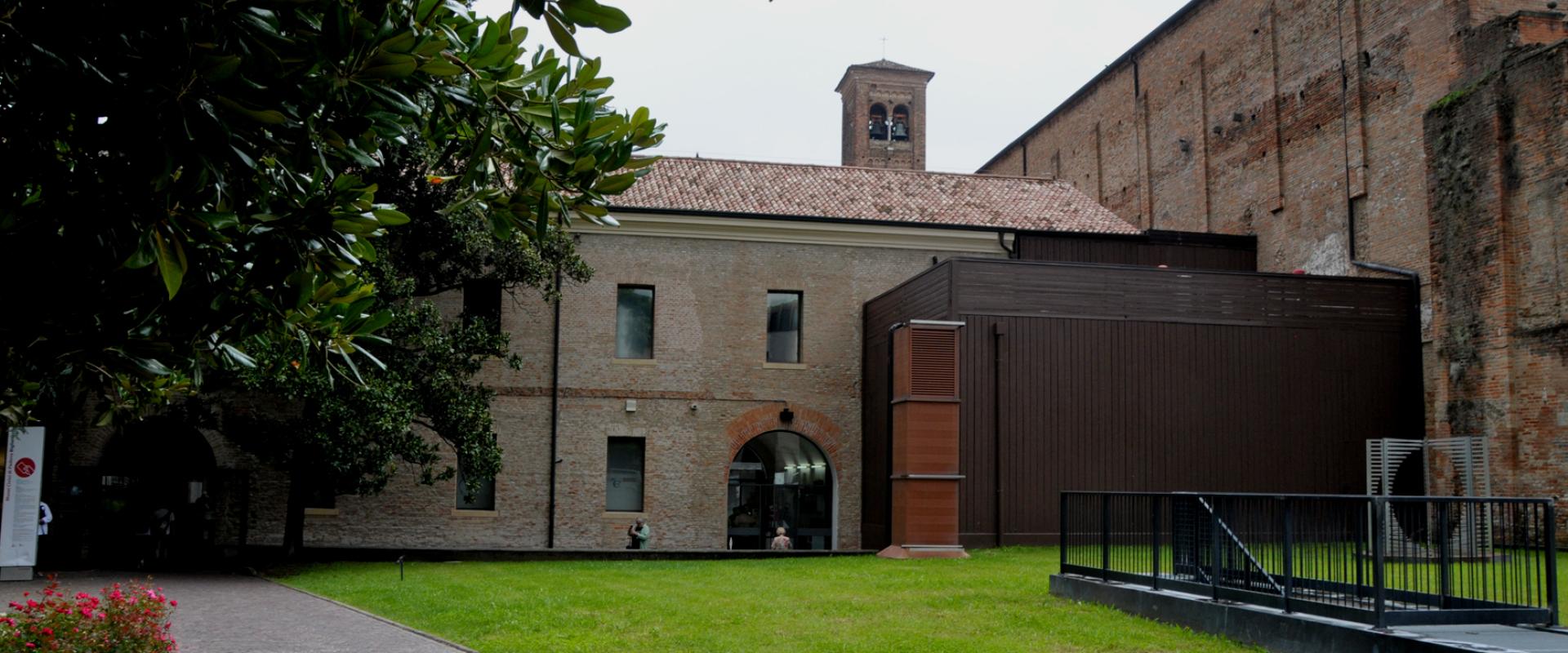
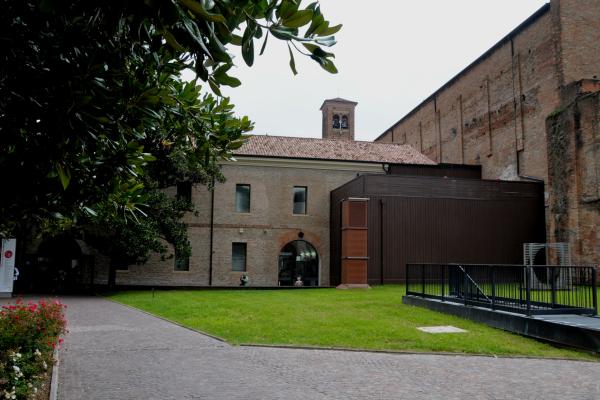
The Musei Civici agli Eremitani is the main civic museum complex of Padua, set in the former Augustinian convent of the Eremitani, on Piazza Eremitani. It stands next to the Scrovegni Chapel, which holds Giotto's famous fresco cycle of 1303 to 1305, and the two sites are normally visited together, with a combined ticket arrangement. The museum is where you can see the wider artistic world of Padua, which was home to one of the oldest universities in Europe and an important school of painting in the fifteenth century.
Padua’s civic collection began in the years around 1800 with works taken from suppressed religious institutions. Founded in the late eighteenth century, with paintings from the convent of San Giovanni da Verdara in 1783, it grew significantly in 1810, when many more pieces arrived after the Napoleonic suppressions. Later gifts and purchases added to it. The museum now includes several sections, among them the archaeological museum, with Roman, Etruscan and Egyptian material, and the museum of medieval and modern art.
The Pinacoteca, the picture gallery, is the core of the visit. It follows Paduan and Venetian painting from the fourteenth to the eighteenth century, with works by Lorenzo Veneziano, Francesco Squarcione, whose workshop trained the young Mantegna, Jacopo Bellini, Paolo Veronese, Jacopo Tintoretto and Giambattista Tiepolo. Two key pieces are connected with Giotto's chapel: the Crucifix by Giotto that once hung in the Scrovegni Chapel, and a set of Angels by Guariento, a Paduan painter of the fourteenth century whose work shows how painting developed in the city in the years after Giotto.
The nearby Palazzo Zuckermann houses the museums of applied arts and of coins and medals, including collections of ceramics, textiles, glass and decorative objects from the medieval period to modern times. The museum also contains rooms of Renaissance and later paintings, sculpture and other works that tell the story of the city.
A visit to the Scrovegni Chapel requires a timed ticket, usually booked in advance and visited for a limited period, and the ticket arrangements are often combined with the museums, so check the current details. Allow at least two hours for the Eremitani museums themselves, and more if you want to see the applied-arts collections. The complex is in the northern part of Padua's historic centre, a short walk from the university, the Palazzo del Bo and Prato della Valle. Anyone who comes to see Giotto should also take time for these galleries, which show what came before and after.
Categories
More photos coming soon
Nearby Attractions
Other places to visit in Padua
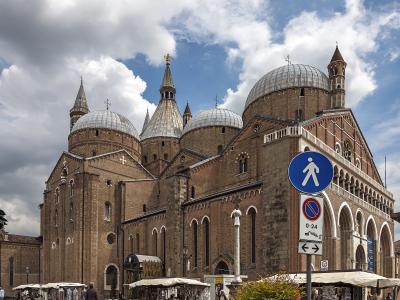
Basilica of Saint Anthony of Padua (Basilica di Sant'Antonio)
World-renowned pilgrimage site housing Saint Anthony's re...
Free Architectural Monuments · Cultural Tours
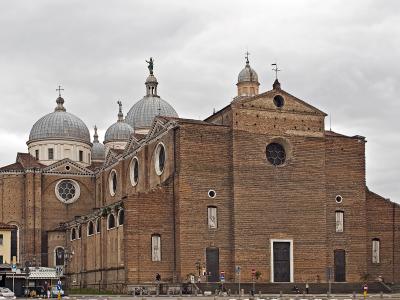
Basilica of Saint Justina (Basilica di Santa Giustina)
16th-century basilica housing 4th-century relics
Architectural Monuments · Cultural Tours
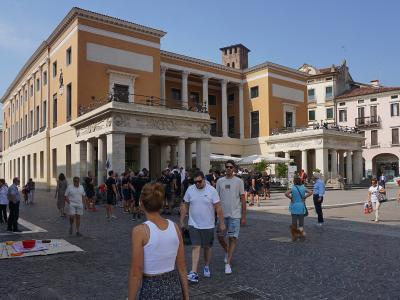
Caffè Pedrocchi
Padua's oldest historic café and Risorgimento museum
Food & Gastronomy · History & Heritage
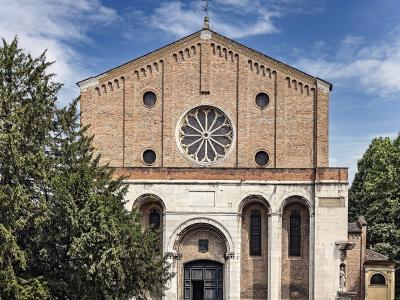
Eremitani Chapel Ruins
15th-century Mantegna frescoes in a restored medieval church
Ancient Ruins · Art Museums
Questions people ask
Quick Facts
Best Time to Visit
Visit between April and June or September and October for mild temperatures and fewer crowds.