







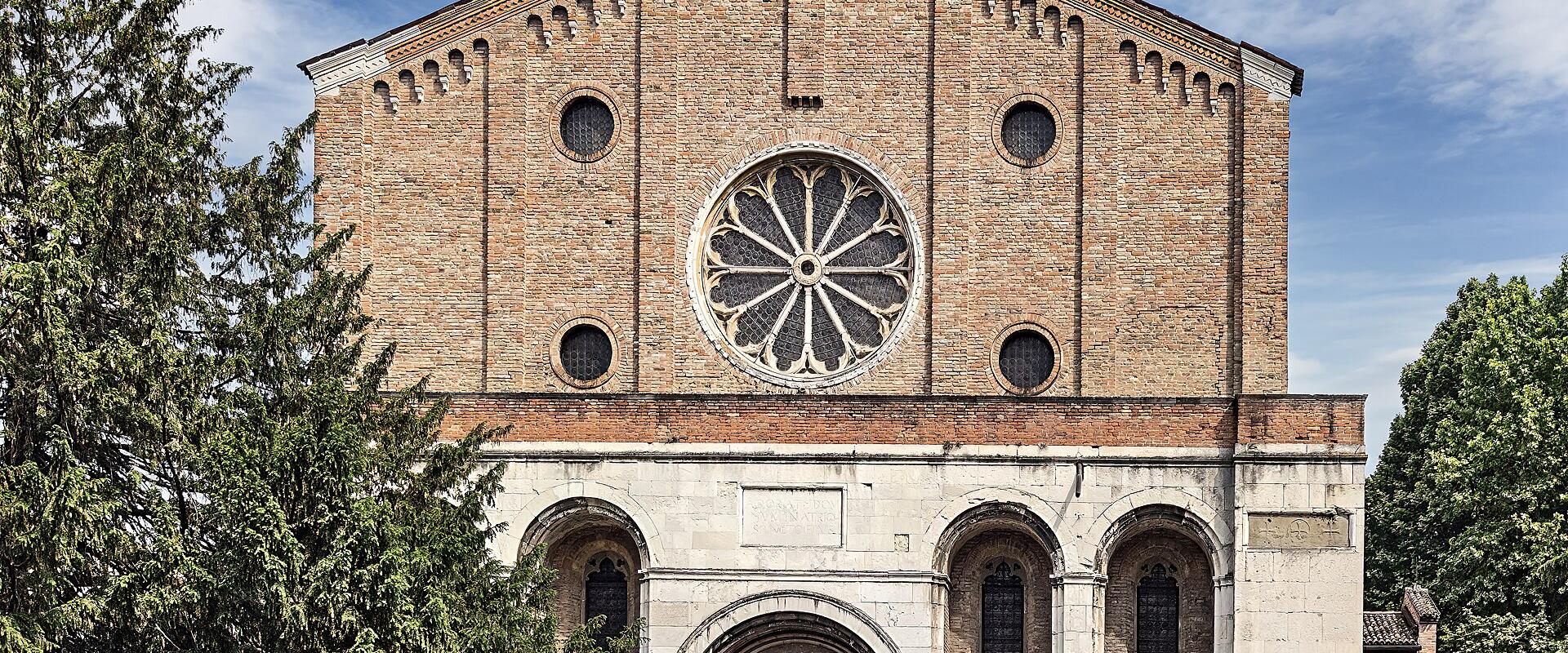
Eremitani Chapel Ruins
15th-century Mantegna frescoes in a restored medieval church
- Where
- Padua, Veneto and the Dolomites
- Directions
- Directions
The Eremitani Chapel Ruins are part of the Chiesa degli Eremitani, the church of the Hermits, in Padua, which stands on Piazza Eremitani next to the Scrovegni Chapel and the Musei Civici agli Eremitani. The church was built for the Augustinian Hermits, the Eremitani, beginning in 1276 and was completed in the early 14th century, and it is dedicated to Saints Philip and James. It is one of the largest medieval churches in northern Italy, a simple building of brick in the Gothic style, with a wide, single nave and a remarkable timber ceiling shaped like the upturned keel of a ship, a form that makes the space look like the inside of a great vessel. The roof is a fine example of medieval carpentry, and the plain, open interior gives the church a bare grandeur.
The church’s artistic glory was once the Ovetari Chapel, a side chapel decorated between 1448 and 1457 with frescoes by Andrea Mantegna, who was then a young painter in his teens and early twenties, together with other artists. The frescoes told the stories of Saint James and Saint Christopher and the Assumption of the Virgin, and they were notable for the use of perspective, the sculptural solidity of the figures and the archaeological detail of Roman architecture, which made them a landmark in the early Renaissance. They influenced a generation of painters in northern Italy. Other frescoes in the church include fourteenth-century paintings by Guariento in the apse, with scenes of angels and the life of the order, and the work of Giusto de’ Menabuoi.
On 11 March 1944, during the Second World War, an Allied bomb hit the church, and the Ovetari Chapel was destroyed, with its frescoes shattered into thousands of fragments. Only a few scenes escaped, because they had been photographed or detached earlier, and the loss was regarded as one of the great artistic tragedies of the war in Italy. The fragments were gathered and stored, and the restoration of Mantegna’s paintings took about fifty years, using painstaking techniques to piece the fragments together according to old photographs, and the reassembled areas now fill parts of the chapel, with large gaps shown in neutral tones. The result is both a record of post-war reconstruction and an eloquent ruin, which is why the chapel is sometimes called the Eremitani Chapel Ruins.
The church is open to visitors, usually free of charge, though the Ovetari Chapel may have viewing arrangements, and the opening hours depend on the days and services, so check locally. A visit takes about half an hour. It forms a natural pair with the Scrovegni Chapel (Cappella degli Scrovegni), which is a few steps away, and the Musei Civici agli Eremitani, housed in the former convent. Other places to see in Padua include the Basilica of Saint Anthony of Padua (Basilica di Sant’Antonio), the Basilica of Saint Justina (Basilica di Santa Giustina), the Palazzo del Bo, the Caffè Pedrocchi and the Prato della Valle. The church suits those interested in Renaissance painting and in the history of Padua.
Categories
More photos coming soon
Nearby Attractions
Other places to visit in Padua
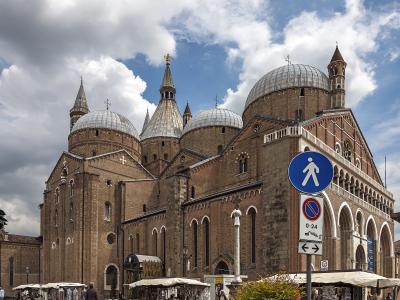
Basilica of Saint Anthony of Padua (Basilica di Sant'Antonio)
World-renowned pilgrimage site housing Saint Anthony's re...
Free Architectural Monuments · Cultural Tours
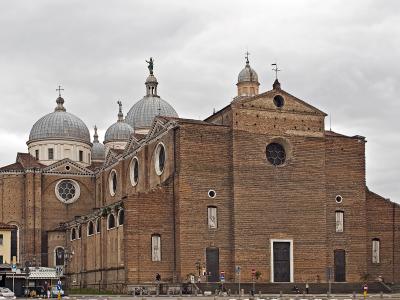
Basilica of Saint Justina (Basilica di Santa Giustina)
16th-century basilica housing 4th-century relics
Architectural Monuments · Cultural Tours
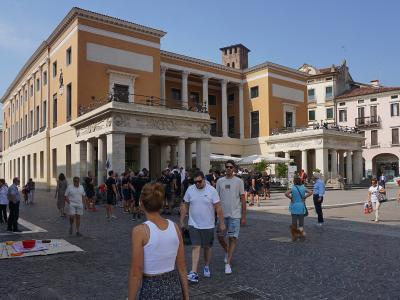
Caffè Pedrocchi
Padua's oldest historic café and Risorgimento museum
Food & Gastronomy · History & Heritage
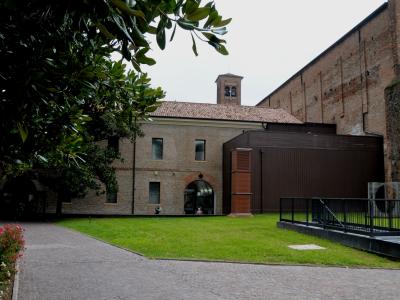
Musei Civici agli Eremitani
Padua's civic museums of art and archaeology
History & Heritage · Museums & Culture
Questions people ask
Quick Facts
Best Time to Visit
Visit between April and June or September and October for mild temperatures and fewer crowds.