







- Admission
- €14 adults, €10 students, €9 Verona Card holders
- Hours
- Daily 9:00 AM to 8:00 PM (last entry 7:00 PM)
- Where
- Verona, Veneto and the Dolomites
- Directions
- Directions
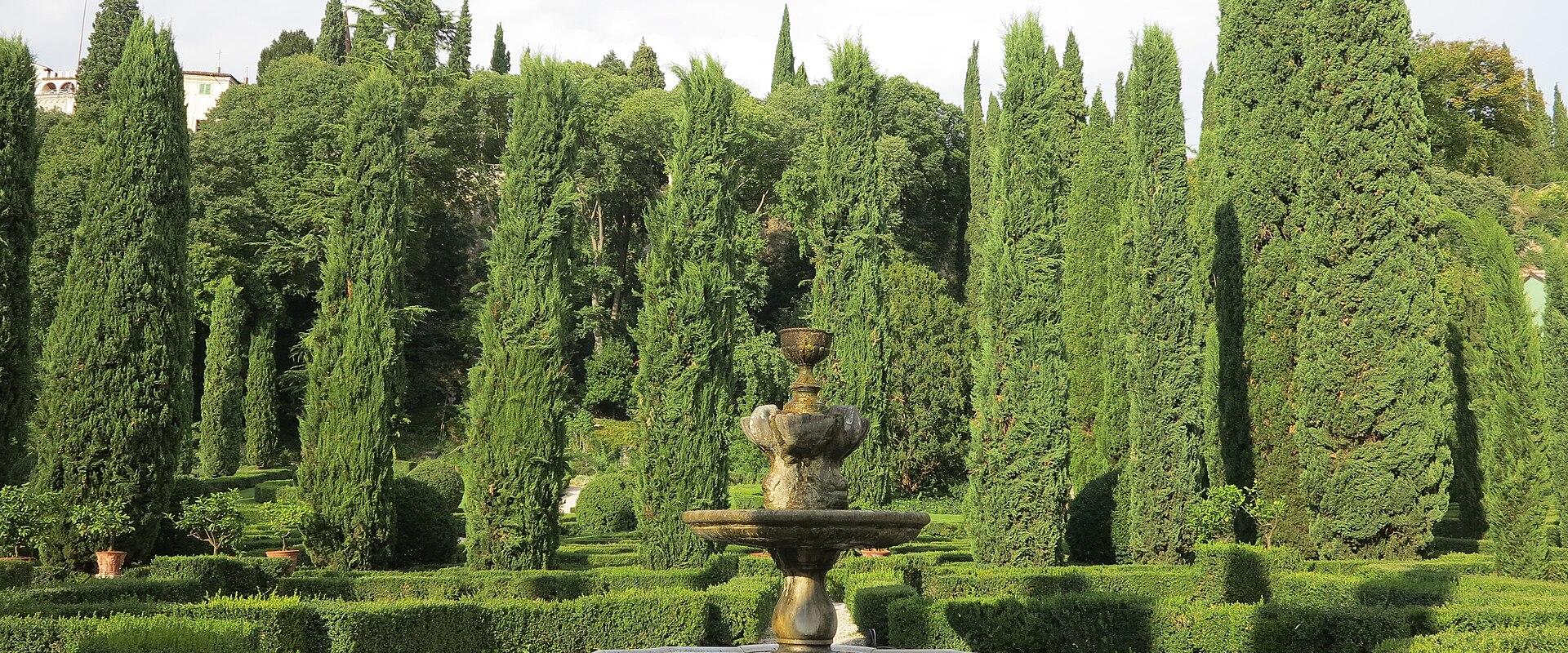
Giardino Giusti is one of the finest Renaissance gardens in northern Italy, and it lies behind the Palazzo Giusti, in the old quarter of Verona, close to the Adige river, a short walk from the main sights of the city. It was created in the 1570s by the Giusti family, who had been wealthy merchants and counts in Verona for generations, and who wanted a setting for entertaining and impressing guests. The garden has been owned by the same family for more than four hundred years, and it has changed little in its main lines, which is rare. Over the centuries, it drew admiration from many visitors, among them the German writer Goethe, who in 1786 praised its tall cypresses, and in 1770, the young Mozart is said to have stayed in the area.
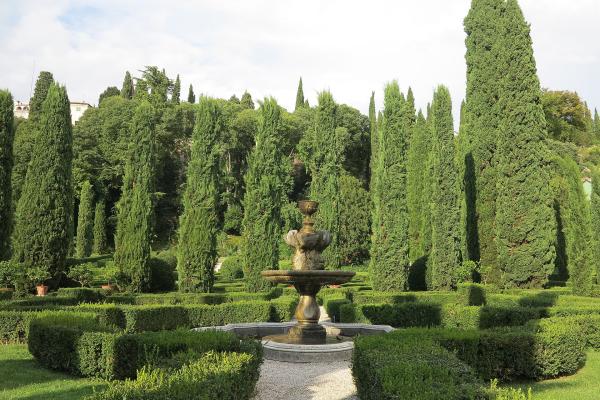
The design follows the formal Italian style of the Renaissance, laid out as a sequence of terraces in two parts. The lower garden is a geometric arrangement of box hedges, gravel paths, fountains, statues and pergolas, planted with flowers and shrubs in symmetrical patterns, while the upper garden rises up the hillside behind it, with a path that climbs between rock walls and tall trees. The most famous feature is the avenue of cypresses, some of them centuries old, that leads straight from the palace to a grotto, and acts as a dramatic axis for the whole garden. At the end of the avenue is a grotto with a large mask, a grotesque face with an open mouth, which gives the place a slightly sinister touch, according to the taste of the period.
A boxwood labyrinth, one of the oldest in Italy, forms the playful centre of the lower garden, and visitors can try to find the way to the middle, where a small tower stands. Fountains, ponds, statues and ancient Roman fragments add to the picture, and the garden also blends in some elements of the later English landscape style in the upper areas. At the top of the hill, a terrace gives a wonderful view over the roofs and domes of Verona and the curve of the river, which is the reason many visitors climb the steps.
The garden is open daily, with set hours that vary with the season, and tickets are bought at the entrance or online, so check the official information. A visit usually lasts about an hour. The garden is a calm place after the crowds around the Arena di Verona and Piazza delle Erbe, which are a few minutes away on foot, and Juliet’s House and the Castelvecchio Museum are also within the old town. It suits garden lovers, photographers and anyone who enjoys a quiet green pause, and spring and early autumn are the best seasons.
Categories
More photos coming soon
Hours & Fees
- Open
- Daily 9:00 AM to 8:00 PM (last entry 7:00 PM)
- Admission
- €14 adults, €10 students, €9 Verona Card holders
Hours and prices change, especially out of season. Check with the venue before you go.
Nearby Attractions
Other places to visit in Verona
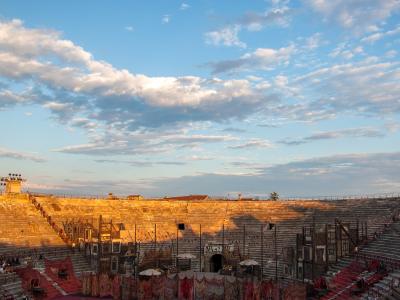
Arena di Verona
1st-century Roman amphitheatre, opera stage every summer
From €3 Ancient Ruins · Architectural Monuments
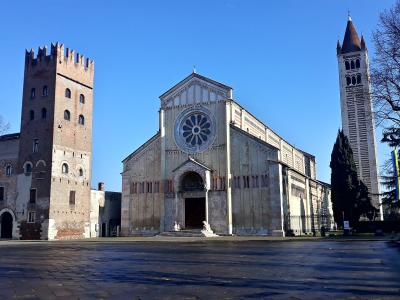
Basilica di San Zeno Maggiore
Romanesque masterpiece with Mantegna triptych
Architectural Monuments · Historic Churches
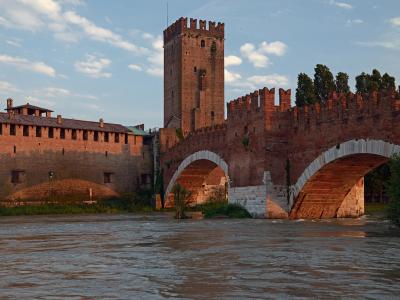
Castelvecchio Museum
14th-century Gothic castle housing history and anthropology
Architectural Monuments · Art Museums
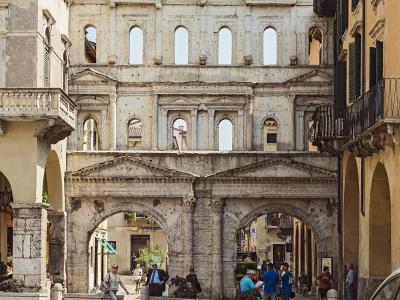
Corso Porta Borsari
Ancient Roman gate on Verona's main street
Free Architectural Monuments · Historic Districts
Questions people ask
Quick Facts
€14 adults, €10 students, €9 Verona Card holders
Best Time to Visit
Visit between April and June or September and October for mild temperatures and fewer crowds.