







- Where
- Verona, Veneto and the Dolomites
- Directions
- Directions
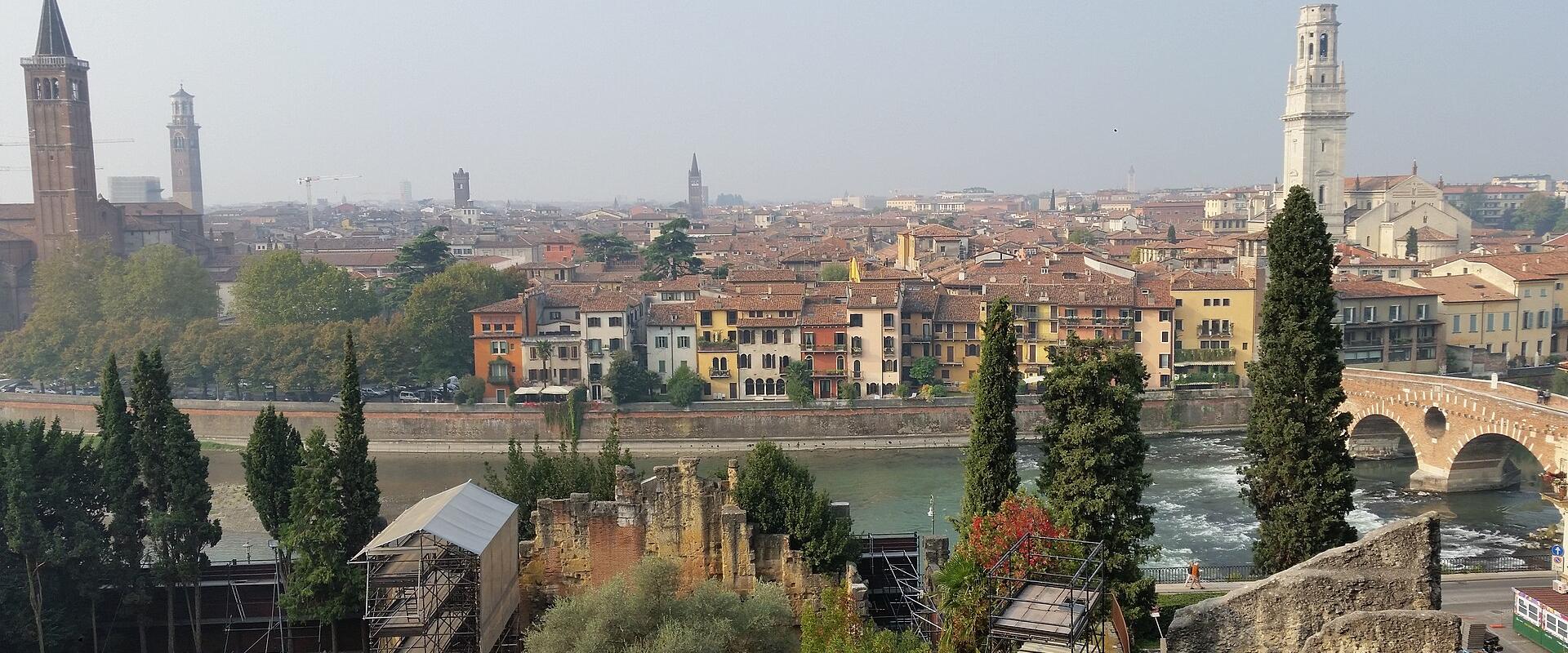
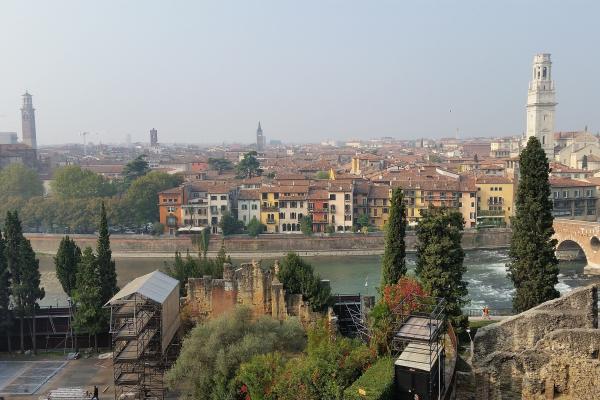
The Roman Theatre of Verona, the Teatro Romano, lies on the slopes of the San Pietro hill on the left bank of the Adige, opposite the old centre and a short walk from the Ponte Pietra, the Roman bridge that crosses the river here. It was built around the turn of the era, in the time of the emperor Augustus, and it is considered one of the most important Roman monuments in the Veneto region of Northern Italy, along with the Arena. The theatre could hold around five thousand spectators, who sat on a great semicircle of steps, the cavea, built against the hillside, and watched plays, music and other performances, so that it was a centre of social and cultural life in the Roman town. The Arena, which came later, is a more famous monument, but the theatre is in a quieter and more beautiful setting.
The theatre was lost for centuries. After the fall of Rome it was gradually built over, and houses, churches and a convent filled the space of the old auditorium, so that its outline survived only in the curve of the streets. In the 19th century a Veronese merchant and enthusiast of antiquities, Andrea Monga, bought the houses on the site, demolished them and carried out the excavation, bringing the ancient structure to light again. Some of the existing remains were then consolidated and restored, and the theatre was used again for performances.
Today visitors can see the remaining parts of the structure: the podium, part of the cavea with rows of steps, arches and vaults at the base of the hill, and fragments of the stage wall. The semicircular orchestra and the foundations of the stage survive, and some of the original columns can be seen. In summer, the theatre is used for open-air performances, including the Shakespeare festival and other drama, music and dance events, and sitting on the stone steps of a Roman theatre to watch a play is a memorable experience.
Above the theatre, in the former convent of San Girolamo, is the archaeological museum, which displays finds from Verona and its surroundings, among them sculpture, mosaics, bronzes, glass and inscriptions that cover the history of the city from the Roman period through the centuries that followed. The terraces of the convent give fine views over the river and the roofs of the city. From the museum a path or lift climbs to Castel San Pietro, the 19th-century fortress on the hilltop, which offers one of the best views of Verona. The visit takes an hour or two, and opening times and tickets vary, so check beforehand. It lies near the Arena di Verona, the Giusti Garden, Juliet’s House and Corso Porta Borsari, as well as the Basilica of San Zeno and the Piazza delle Erbe, and it suits those interested in Roman history and in views of the city.
Categories
More photos coming soon
Nearby Attractions
Other places to visit in Verona
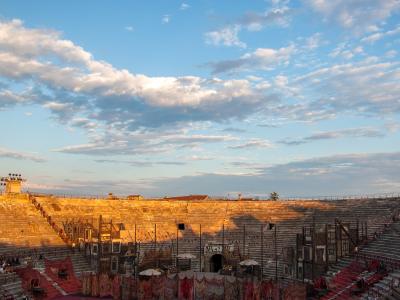
Arena di Verona
1st-century Roman amphitheatre, opera stage every summer
From €3 Ancient Ruins · Architectural Monuments
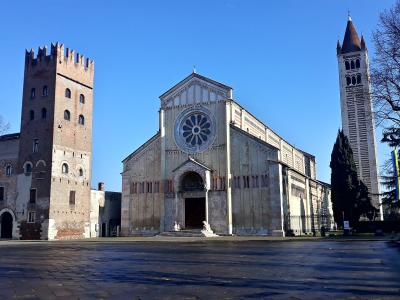
Basilica di San Zeno Maggiore
Romanesque masterpiece with Mantegna triptych
Architectural Monuments · Historic Churches
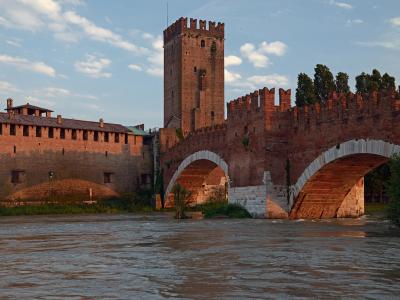
Castelvecchio Museum
14th-century Gothic castle housing history and anthropology
Architectural Monuments · Art Museums
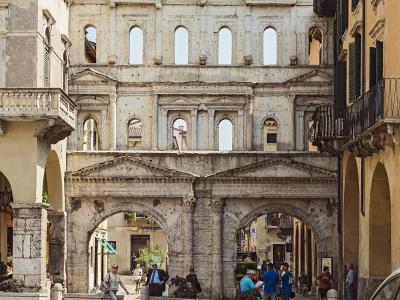
Corso Porta Borsari
Ancient Roman gate on Verona's main street
Free Architectural Monuments · Historic Districts
Questions people ask
Quick Facts
Best Time to Visit
Visit between April and June or September and October for mild temperatures and fewer crowds.