







- Hours
- Tuesday through Sunday, 10:00–18:00; closed Mondays
- Where
- Verona, Veneto and the Dolomites
- Directions
- Directions
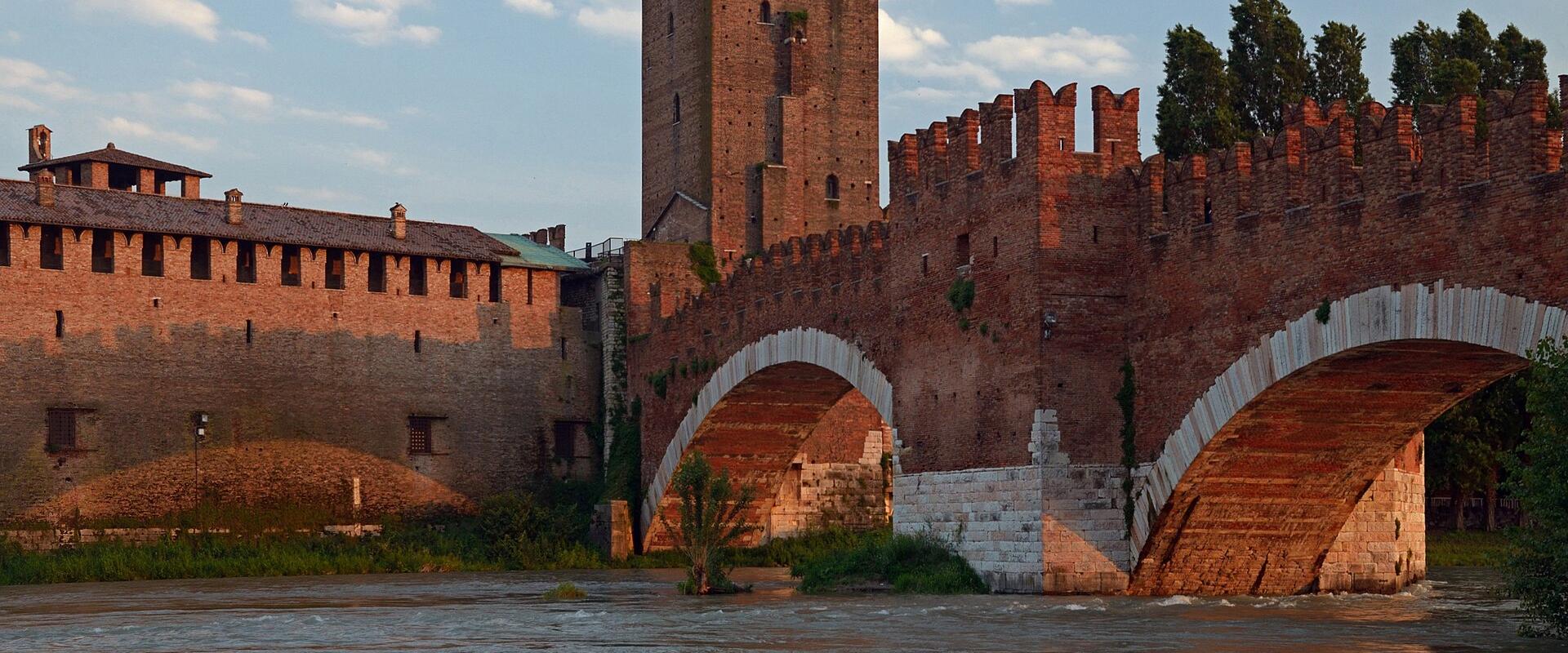
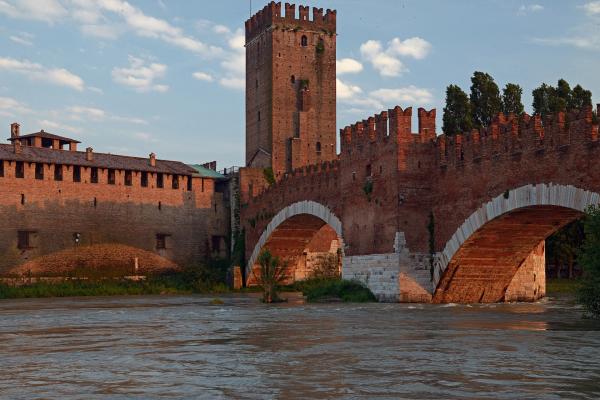
The Castelvecchio Museum is the main civic art museum of Verona, set in a fourteenth-century Gothic castle on the bank of the Adige River. The Scaliger family, the della Scala lords who ruled Verona in the Middle Ages, built it between 1354 and 1356 under Cangrande II, partly as a stronghold against his own subjects, which is why the castle is connected to the city by a fortified bridge, the Ponte Scaligero. This bridge, also called the Ponte di Castelvecchio, has three arches of different sizes and a crenellated parapet, and it is one of the most photographed views of the city.
The bridge and part of the castle were damaged by retreating German forces in 1945, and the bridge was carefully rebuilt in the following years, using stones and bricks recovered from the river. The castle itself has had many uses since its Scaliger days, as a barracks under the Venetians, the French and the Austrians, and it was turned into a museum in the early twentieth century. In the 1950s and 1960s the architect Carlo Scarpa transformed the interior, and his work is now considered one of the great museum designs of the century. Scarpa left the layers of the building visible and made new openings, stairs and display stands, so that the rooms and the works of art seem to be in dialogue.
The collection covers medieval sculpture, Renaissance and later paintings, weapons, ceramics, jewellery and other objects, mainly from Verona and the Veneto, which is why the museum offers a comprehensive view of Verona’s artistic history. Paintings by Pisanello, Mantegna, Giovanni Bellini, Paolo Veronese, Tintoretto and Tiepolo appear among the Veronese and Venetian works. The equestrian statue of Cangrande I della Scala, with its strange smile, stands on a raised plinth in the courtyard so you can see it at eye level, and it is one of the museum's best known sights.
The castle's towers and walls give panoramic views over the Adige and the city, and walking along the ramparts is part of the experience. The museum building is also an example of how an old military structure can be adapted with a light, careful hand.
The usual pattern of Italian civic museums is a weekly closing day, and opening hours on Mondays, Tuesday and Sunday can differ, so check the official site, along with any holiday changes or requirements for time slots. Exploring the museum takes around two hours. It is close to the Roman Arena, Piazza Bra and Juliet’s House, so it fits easily into a day on foot, and the walk across the bridge is a pleasure in the evening.
More photos coming soon
Opening Hours
- Open
- Tuesday through Sunday, 10:00–18:00; closed Mondays
Hours and prices change, especially out of season. Check with the venue before you go.
Nearby Attractions
Other places to visit in Verona
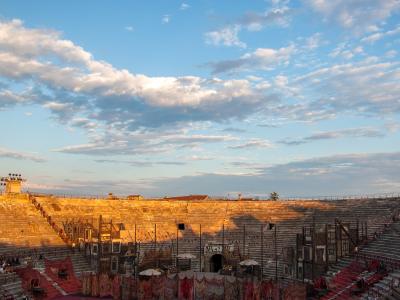
Arena di Verona
1st-century Roman amphitheatre, opera stage every summer
From €3 Ancient Ruins · Architectural Monuments
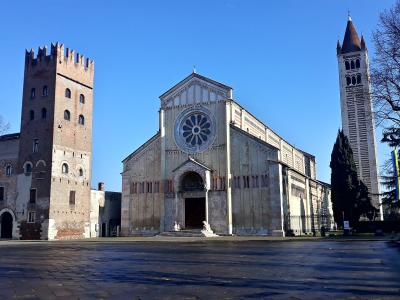
Basilica di San Zeno Maggiore
Romanesque masterpiece with Mantegna triptych
Architectural Monuments · Historic Churches
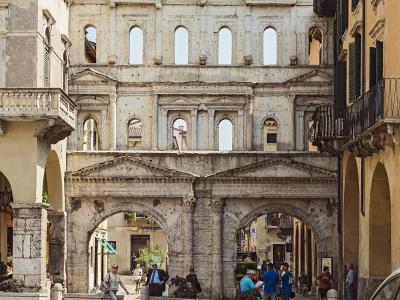
Corso Porta Borsari
Ancient Roman gate on Verona's main street
Free Architectural Monuments · Historic Districts
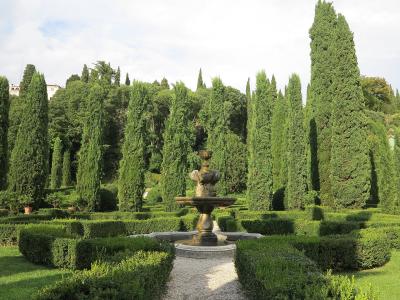
Giusti Garden
Historic Italian garden blending nature and art
From €9 Botanical Gardens · Historic Palaces
Questions people ask
Quick Facts
Best Time to Visit
Visit between April and June or September and October for mild temperatures and fewer crowds.