







- Admission
- Free admission
- Hours
- Accessible 24 hours a day, year-round
- Where
- Verona, Veneto and the Dolomites
- Directions
- Directions
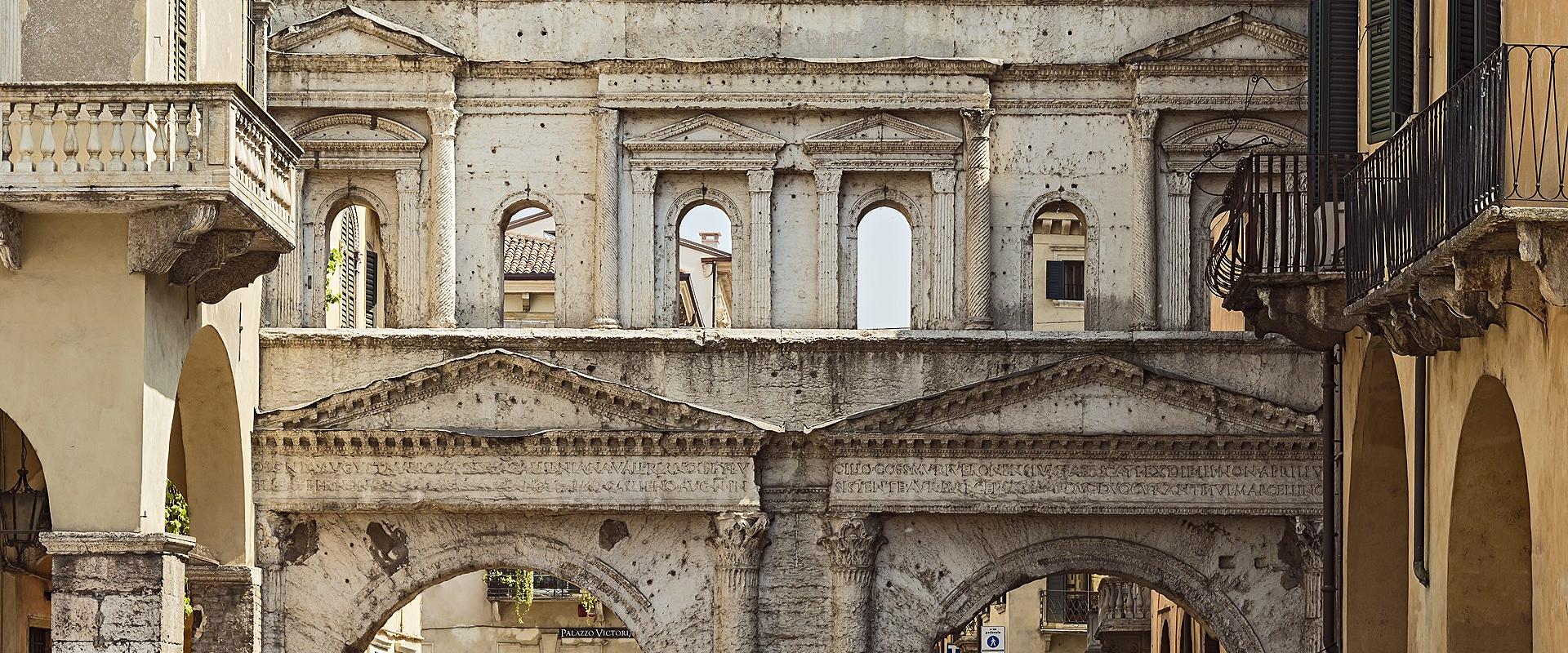
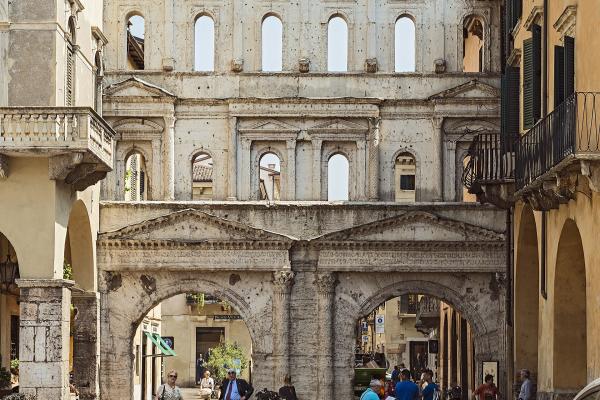
Corso Porta Borsari is a historic thoroughfare in Verona, Italy, named after the Porta Borsari, an ancient Roman gate that serves as the street’s western terminus. The street follows the line of the Roman decumanus, the main east-west road of the ancient city, and it runs from the Piazza delle Erbe, the old Roman forum, toward the gate and the road that led out of town to the west. The gate, originally known as the Porta Iovia, is one of the best-preserved Roman gates in Italy and is integrated into the urban fabric of the city. As an open architectural monument located right on the street, it is accessible for viewing 24 hours a day, year-round. There are no specific opening hours like those for museums or other indoor attractions, and admission is free.
The gate dates to the 1st century AD and was one of the main entrances to Roman Verona, which was then a city on the Via Postumia, the great road linking Genoa and Aquileia. Its facade, built of white limestone, faces outward and is a double structure, with two arched passages for traffic, flanked by columns and surmounted by two levels of windows with pediments, topped by a cornice, a design that was meant to impress travelers arriving from the countryside. An inscription on the gate records that Emperor Gallienus rebuilt the walls of the city in 265 AD. The name Borsari is thought to derive from the medieval word for the officials who collected customs duties, called bursarii, at the gate, because duty was paid here on goods entering the town.
The street itself is a vibrant artery connecting the historic center to the Roman amphitheater, the Arena di Verona, and the shopping streets that lead toward it. It is lined with shops, cafes and historic buildings, offering visitors a glimpse into the daily life of Verona. The area is pedestrian-friendly, allowing for easy exploration on foot, and the pavement is of pale stone, worn smooth. Palaces with Renaissance and Baroque facades line the way, among them the Palazzo Maffei, a Baroque building at the end near the Piazza delle Erbe, which is topped with statues of ancient gods, and the shop windows show fashion and design. Near the gate, the Romanesque church of San Lorenzo, with its two round stair towers and striped brick and stone walls, adds to the medieval atmosphere, and one of the most interesting corners is the area under the street, where the Roman paving can be seen in some basements.
The Porta Borsari is a statement of Verona’s Roman heritage, featuring inscriptions and architectural details that date back to the 1st century AD. Exploring Corso Porta Borsari offers insight into the layers of history that define Verona. It is an essential stop to appreciate the city’s Roman roots. The combination of ancient architecture and modern urban life makes it a memorable destination. It complements visits to other landmarks in Verona, such as the Arena and Piazza delle Erbe, providing a view of the city’s identity. Visitors are advised to take their time to admire the gate and the surrounding streets, capturing the essence of this historic area. In the evening, the street is lively, and the gate, lit by lamps, is especially striking.
More photos coming soon
Hours & Fees
- Open
- Accessible 24 hours a day, year-round
- Admission
- Free admission
Hours and prices change, especially out of season. Check with the venue before you go.
Nearby Attractions
Other places to visit in Verona
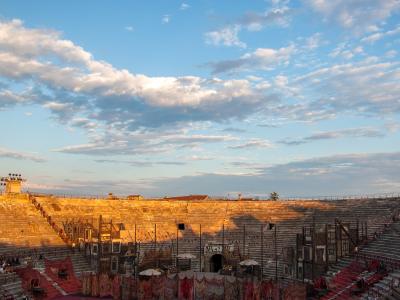
Arena di Verona
1st-century Roman amphitheatre, opera stage every summer
From €3 Ancient Ruins · Architectural Monuments
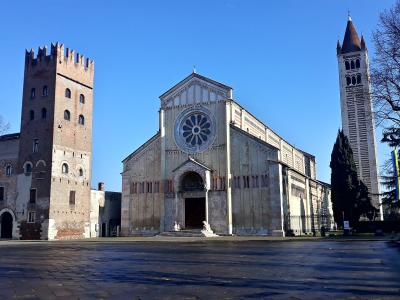
Basilica di San Zeno Maggiore
Romanesque masterpiece with Mantegna triptych
Architectural Monuments · Historic Churches
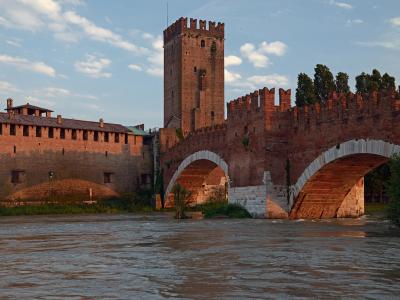
Castelvecchio Museum
14th-century Gothic castle housing history and anthropology
Architectural Monuments · Art Museums
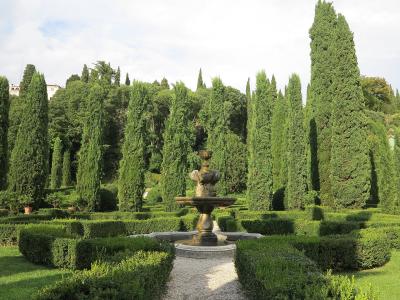
Giusti Garden
Historic Italian garden blending nature and art
From €9 Botanical Gardens · Historic Palaces
Questions people ask
Quick Facts
Best Time to Visit
Visit between April and June or September and October for mild temperatures and fewer crowds.