







Palatine Chapel (Cappella Palatina)
12th-century Norman chapel with Byzantine mosaics
- Hours
- Daily, including public holidays (specific times vary by area; check ticket office)
- Where
- Palermo, Sicily
- Directions
- Directions
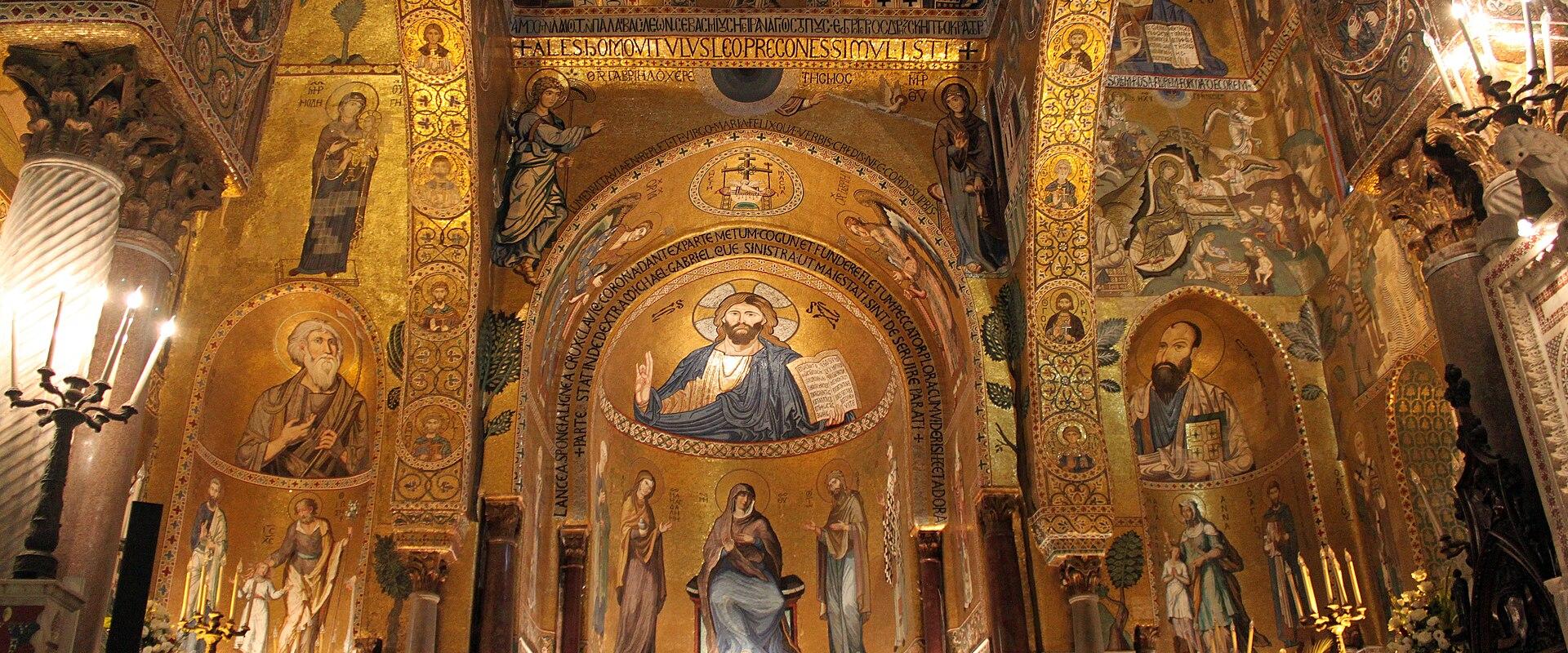
The Palatine Chapel, or Cappella Palatina, is the private chapel of the Norman kings of Sicily and one of the most dazzling interiors in Europe. It stands within the Royal Palace of Palermo, also called the Palazzo dei Normanni, on the upper floor of a courtyard in the oldest part of the complex. Work began in 1130, the year of King Roger II’s coronation the first king of Sicily, and the chapel was built over the following decade or so. The result is a unique meeting of cultures in a single room: Norman, Arab and Byzantine craftsmen worked together, blending Islamic, Latin and Byzantine artistic traditions into a cohesive whole.
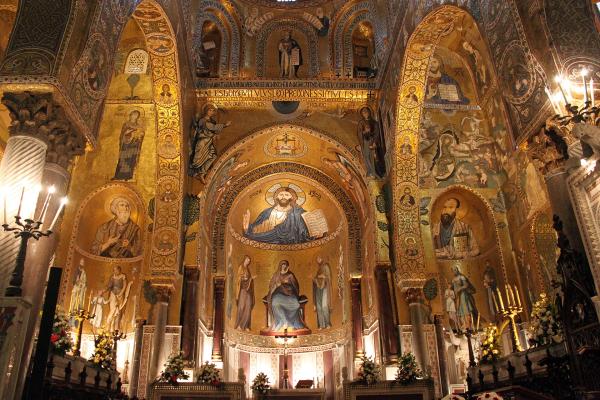
The interior is covered in gold mosaics. The dome and apse are dominated by Christ Pantocrator, the stern Byzantine figure of Christ as ruler, painted in the style of Greek masters brought to Sicily. The walls of the nave tell the Old and New Testaments in a long series of scenes, and the mosaics of the aisles show a livelier, more narrative style, including stories of Saint Peter and Saint Paul. Marble inlays and patterned geometric floors of porphyry and other stones, arranged in colorful designs, run across the floor and lower walls.
Look up to see the best surprise, the wooden ceiling of the nave. Carved and painted in the Arab style, it hangs in honeycomb-like stalactite forms called muqarnas, decorated with scenes of court life, music, hunting and feasting. It is among the finest surviving examples of Islamic painted woodwork in the Mediterranean, and a rare glimpse of the Arab artists who worked in the Norman court. The paschal candelabrum near the pulpit, carved in the 12th century with intricate figures, is also worth a close look.
The chapel is part of a larger complex that includes the Royal Apartments, the Royal Gardens, a permanent exhibition and an archaeological area beneath the palace. Within the apartments, the Hall of King Roger is covered in mosaic scenes of animals and hunting, a rare secular example of the same workshop style. The palace is also still the seat of the Sicilian regional parliament. The whole group is part of the UNESCO listing for Arab-Norman Palermo and the cathedrals of Cefalù and Monreale.
The site is open every day, including public holidays, though specific times for the chapel vary and are given at the ticket office, so check the current hours and admission details before going. Visitors should dress modestly out of respect for the sacred nature of the space, and the chapel is occasionally closed for services. Visits are usually short because the interior is small and crowds build up, so arriving early is wise. The chapel reflects Sicily’s complex history as a crossroads. This is a place for anyone interested in art history, architecture or medieval Sicily, and a good starting point for the Arab-Norman monuments of Palermo.
More photos coming soon
Opening Hours
- Open
- Daily, including public holidays (specific times vary by area; check ticket office)
Hours and prices change, especially out of season. Check with the venue before you go.
Nearby Attractions
Other places to visit in Palermo
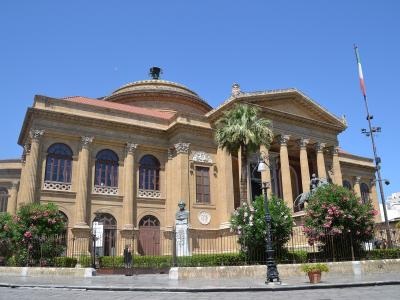
Teatro Massimo
Italy's largest opera house in Palermo
History & Heritage · Museums & Culture
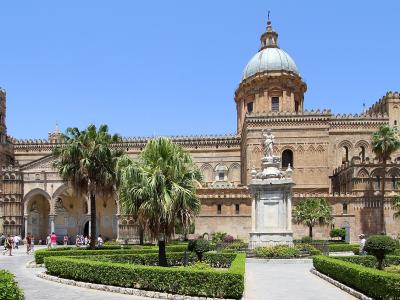
Palermo Cathedral (Cattedrale di Palermo)
UNESCO site blending Norman, Islamic, and Gothic styles
Architectural Monuments · Cultural Tours
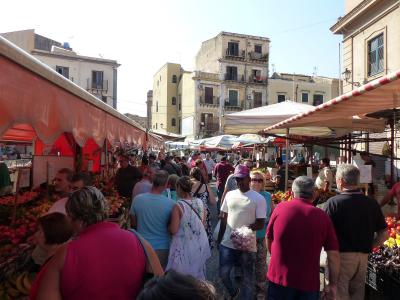
Ballarò Market
Historic open-air market in Palermo's historic center
Historic Districts · Local Cuisine
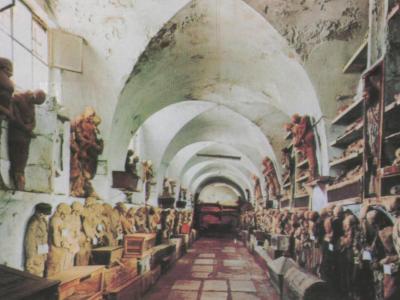
Catacombs of the Capuchins
Underground burial site with mummified monks
Cultural Tours · Educational Sites
Questions people ask
Quick Facts
Best Time to Visit
Visit in April to June or September to October for mild temperatures and fewer crowds.