







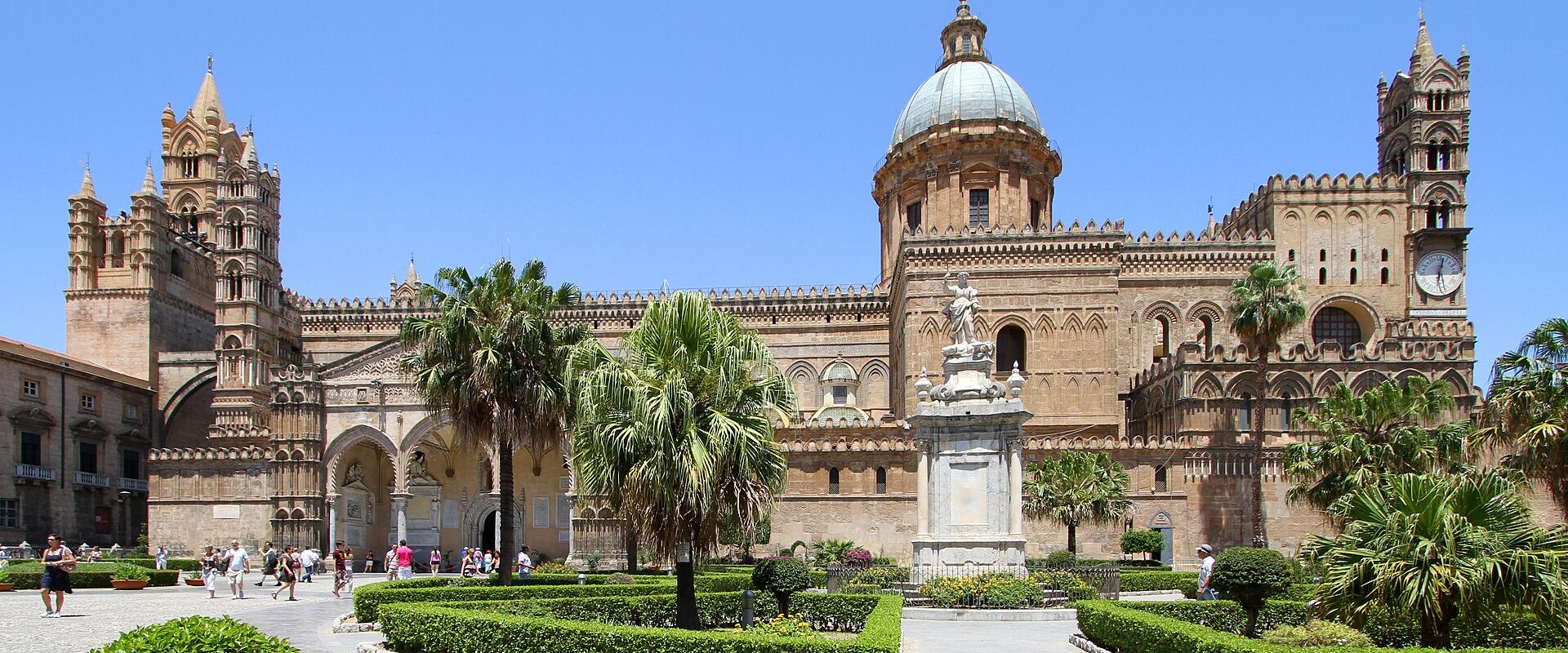
Palermo Cathedral (Cattedrale di Palermo)
UNESCO site blending Norman, Islamic, and Gothic styles
- Where
- Palermo, Sicily
- Directions
- Directions
Palermo Cathedral (Cattedrale di Palermo) is the metropolitan church of the Roman Catholic Archdiocese of Palermo, dedicated to the Assumption of the Virgin Mary, and it stands on Via Vittorio Emanuele, the old Cassaro, in the historic centre of Palermo, Sicily. It is part of the UNESCO World Heritage listing for Arab-Norman Palermo and the cathedral churches of Cefalù and Monreale. The site has a layered religious past: a Christian church stood here in late antiquity, the Arab rulers of the island later turned it into a mosque, and the Normans restored it to Christian use. The present building was begun in 1185 under Archbishop Walter Ophamil, also known as Gualtiero Offamilio, and it kept changing for centuries afterwards.
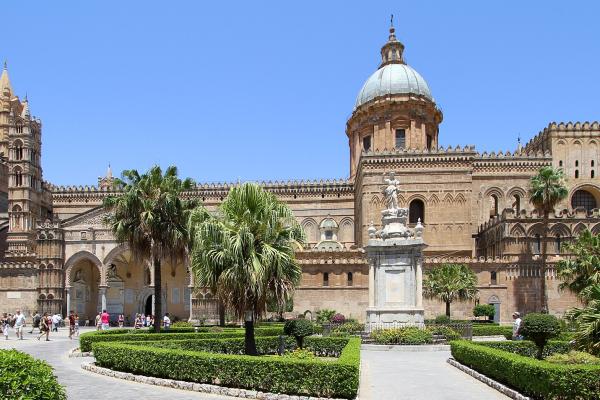
The result is a building in which several periods sit side by side. The east end and the towers keep the Norman and Arab-Norman character, with interlaced arches and geometric stone decoration. The south porch, with its Catalan Gothic arches, dates from the 15th century, and the large dome and much of the interior were reshaped in the late 18th century in a Neoclassical style by Ferdinando Fuga. Seen from the street the contrast between the dark, battlemented east end and the later additions is part of the interest, and it is worth walking round the outside before you go in.
Inside, the nave is cool and fairly plain, and the main attractions lie in the chapels and the Monumental Area. In the royal tombs stand the porphyry sarcophagi of Sicilian rulers, among them Roger II, and the tombs of Frederick II, who spent much of his life in Sicily, and of his father Henry VI, both Holy Roman Emperors, lie beside those of their family. Several side chapels have Baroque altars. A chapel is dedicated to Saint Rosalia, the patron saint of Palermo, whose silver reliquary is carried through the city in the annual festival. The treasury holds liturgical objects and a famous crown of Constance of Aragon, and visitors can also go down to the crypt and, in the Monumental Area, up onto the roof terraces for views across the rooftops of the old city to the mountains.
The interior is a working church, so access to the main floor can be limited during services, and shoulders and knees should be covered. Plan on an hour or two for a visit, longer if you want the roof and the treasury. The cathedral is a short walk from the Palatine Chapel and the Norman Palace, and from the Quattro Canti and the markets of the old town, so it fits well into a day of walking. It suits anyone interested in medieval history, in the meeting of Islamic, Byzantine and Norman culture in Sicily, or simply in how a single building can carry the story of an island.
More photos coming soon
Nearby Attractions
Other places to visit in Palermo
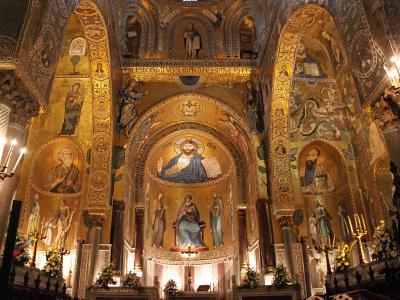
Palatine Chapel (Cappella Palatina)
12th-century Norman chapel with Byzantine mosaics
Architectural Monuments · Historic Churches
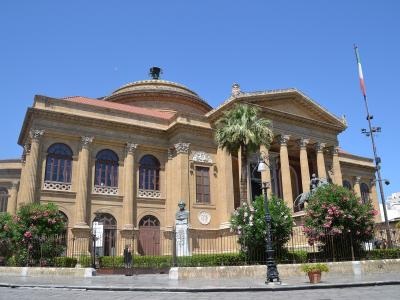
Teatro Massimo
Italy's largest opera house in Palermo
History & Heritage · Museums & Culture
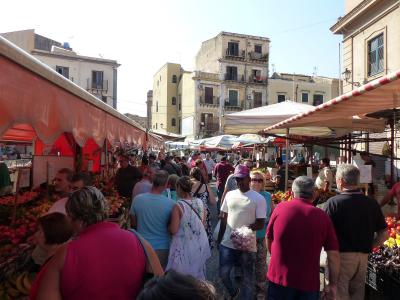
Ballarò Market
Historic open-air market in Palermo's historic center
Historic Districts · Local Cuisine
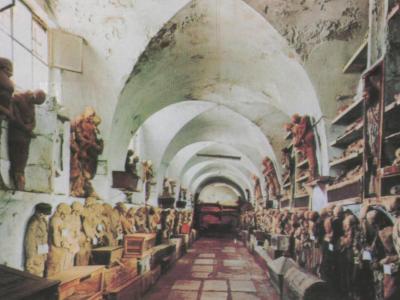
Catacombs of the Capuchins
Underground burial site with mummified monks
Cultural Tours · Educational Sites
Questions people ask
Quick Facts
Best Time to Visit
Visit in April to June or September to October for mild temperatures and fewer crowds.