







- Where
- Palermo, Sicily
- Directions
- Directions
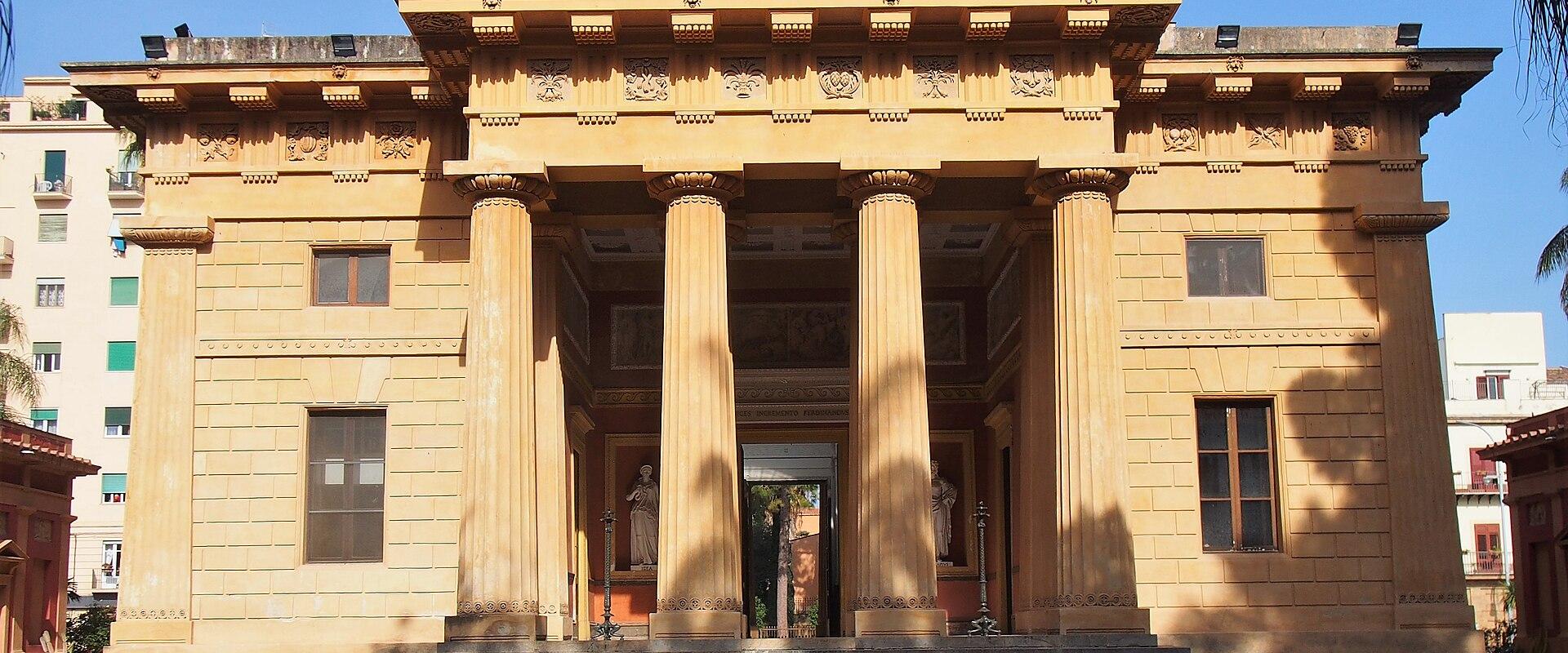
The Orto Botanico di Palermo is the botanical garden of the University of Palermo, set just south of the Royal Palace and a short walk from the central railway station. It was established in the late 18th century under the Bourbon king Ferdinand III of Sicily, when the Palermo school of natural science needed a place to grow medicinal and exotic plants for teaching. The garden is considered one of the most important in Italy and in the Mediterranean region, and it still functions as a center of research and teaching, with a herbarium and library on site.
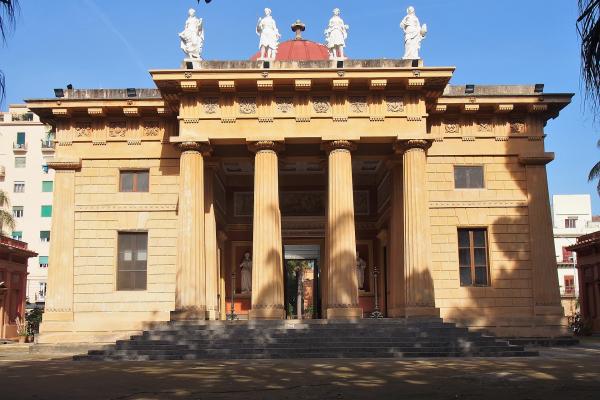
The design is the work of the French architect Léon Dufourny, who also designed the neoclassical buildings along the main avenue, including the Gymnasium, the Tepidarium and the Calidarium, once used for tropical plants. The garden covers around ten hectares and is arranged in sections, including a palm grove, a cactus and succulent area, a collection of medicinal plants and a pond with aquatic plants. The result is part scientific collection, part park, and it has long been a quiet spot in a busy city.
The most famous resident is the giant fig, a Moreton Bay fig tree with a trunk that has formed massive aerial roots, planted in the 19th century and now towering above the paths. Its roots drop and thicken into pillars, and the tree is among the first things visitors photograph. Other highlights include a stand of tall palms, cycads that seem to belong to a much earlier geological age, a silk floss tree with spiny trunks, and water lilies and papyrus in the central pond. Since Sicily’s climate is mild, many plants from across the world have thrived here.
The garden is also a living archive. Its seed exchange network links it with other botanical gardens, and the herbarium houses preserved specimens dating back for centuries. A small museum on the site shows botanical specimens and historical instruments, giving context to the scientific work.
Seasonal opening hours and ticket arrangements change, so it is advisable to check current schedules before visiting. The paths are mostly flat and shaded, so the garden is a good place to escape the heat in summer, with benches for stopping. Spring brings flowers and fresh growth, while autumn is mild and quiet. Plan on an hour or two to explore comfortably.
The garden is easy to reach on foot from the city center and from the Palermo Cathedral area, and it pairs well with the nearby Royal Palace and the Palatine Chapel. It is a good choice for plant lovers, families seeking a break from sightseeing and anyone interested in the scientific heritage of the 18th century.
Categories
More photos coming soon
Nearby Attractions
Other places to visit in Palermo
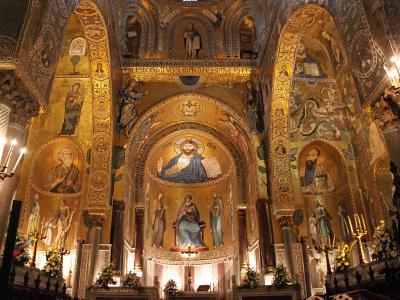
Palatine Chapel (Cappella Palatina)
12th-century Norman chapel with Byzantine mosaics
Architectural Monuments · Historic Churches
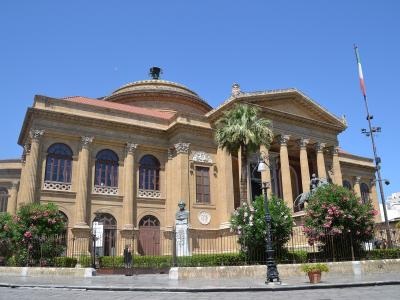
Teatro Massimo
Italy's largest opera house in Palermo
History & Heritage · Museums & Culture
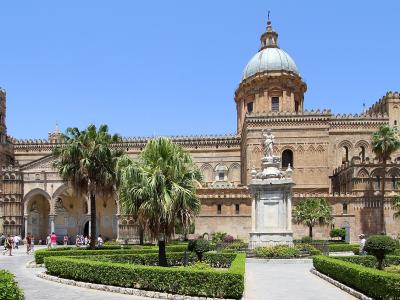
Palermo Cathedral (Cattedrale di Palermo)
UNESCO site blending Norman, Islamic, and Gothic styles
Architectural Monuments · Cultural Tours
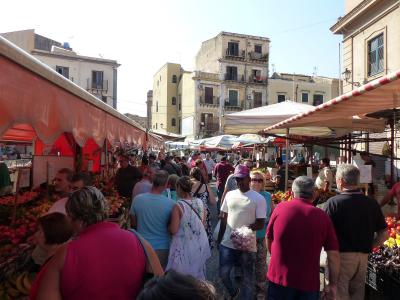
Ballarò Market
Historic open-air market in Palermo's historic center
Historic Districts · Local Cuisine
Questions people ask
Quick Facts
Best Time to Visit
Visit in April to June or September to October for mild temperatures and fewer crowds.