







- Hours
- Monday to Saturday: 09:00-12:30 (last entry 12:15) and 15:00-17:30 (last entry 17:15)
- Where
- Palermo, Sicily
- Directions
- Directions
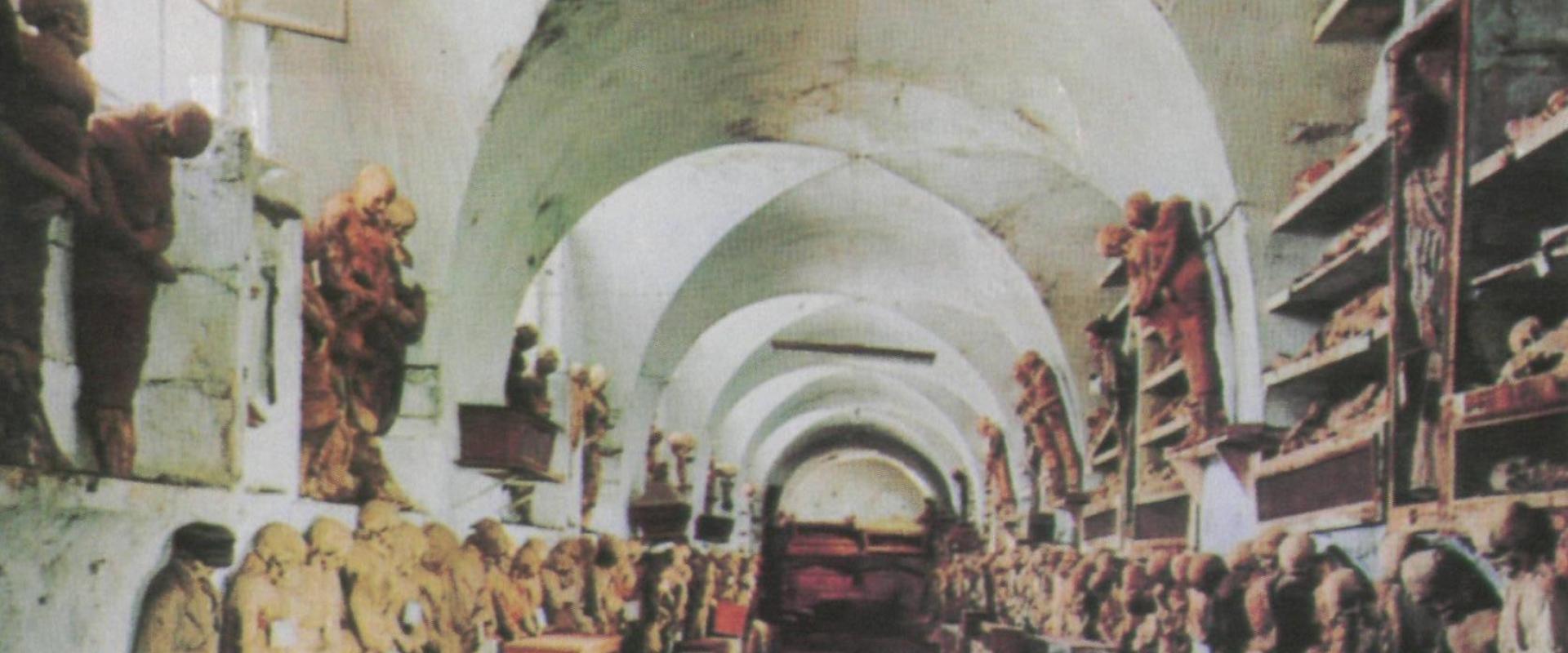
The Capuchin Catacombs of Palermo lie beneath the Capuchin monastery at Piazza Cappuccini, on the western edge of the city center, and hold one of the largest collections of preserved human bodies in the world. The practice began in the late 16th century, when the monastery’s old cemetery had filled and the friars turned to underground corridors. The first body placed here was that of a friar, and, after the friars found that the dry, ventilated air preserved bodies naturally, local people began to ask to be laid here too. Burials continued into the 19th century, with a few later exceptions, and thousands of mummies are now kept in the corridors.
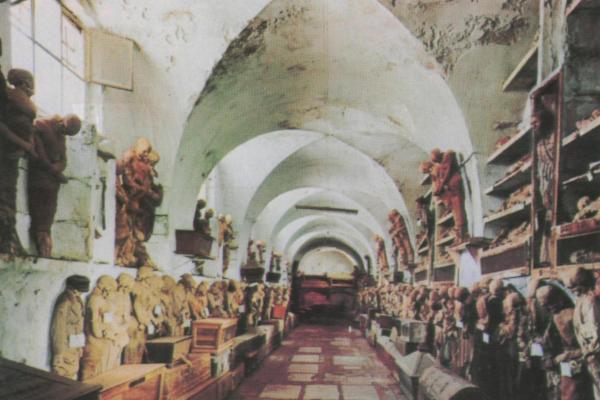
The bodies were treated in various ways. Some were dried on racks in special chambers, called strainers, before being washed, dressed and placed in niches; others were embalmed with arsenic or preserved with lime and vinegar. They are dressed in the clothes they wore in life, and the corridors are divided by category: men, women, virgins, children, priests, monks and professionals such as doctors and lawyers. The result is a vivid, unsettling record of social class, profession and fashion in Palermo over three centuries.
The best-known resident is Rosalia Lombardo, a two-year-old girl who died in 1920 and was embalmed by the physician Alfredo Salafia. She lies in a small glass-covered coffin and looks remarkably as if asleep, which has earned her the nickname of the most beautiful mummy in the world. Her state of preservation has attracted scientific attention over the years.
Sites like this are often misunderstood, so it helps to keep in mind the beliefs behind them. In the period when the catacombs were used, families wished to keep the dead nearby and relatives visited to pray and to change the clothes of loved ones. They are not a spectacle in origin but a place of memory and religious reflection, and that spirit should guide behavior today.
The corridors are narrow and cool, with a low light and a quiet that encourages reflection. Visitors enter through a modest entrance beside the Capuchin church and follow a set route. Tickets are required, and the opening hours, with morning and afternoon sessions, are shown in the practical details, with the site closed on Sundays. Rules on photography are posted on site and staff enforce them, so check before taking out a camera. Silence, respectful dress and sensitivity toward others are expected.
The catacombs are within walking distance of other sights such as the Palatine Chapel and the Cathedral, although a bus or taxi can make the trip shorter in hot weather. They suit visitors interested in history, anthropology and burial customs, and are not recommended for young children or anyone who is likely to be distressed by the sight of human remains.
Categories
More photos coming soon
Opening Hours
- Open
- Monday to Saturday: 09:00-12:30 (last entry 12:15) and 15:00-17:30 (last entry 17:15)
Hours and prices change, especially out of season. Check with the venue before you go.
Nearby Attractions
Other places to visit in Palermo
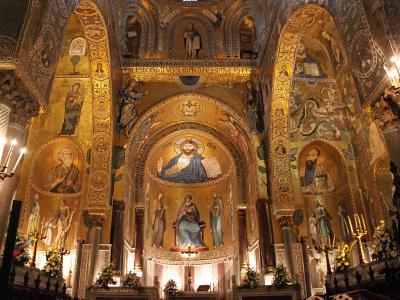
Palatine Chapel (Cappella Palatina)
12th-century Norman chapel with Byzantine mosaics
Architectural Monuments · Historic Churches
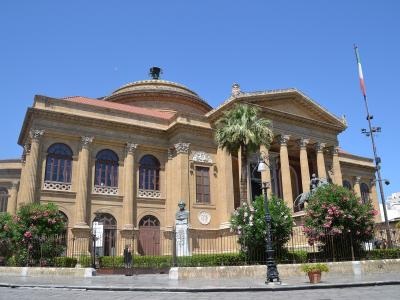
Teatro Massimo
Italy's largest opera house in Palermo
History & Heritage · Museums & Culture
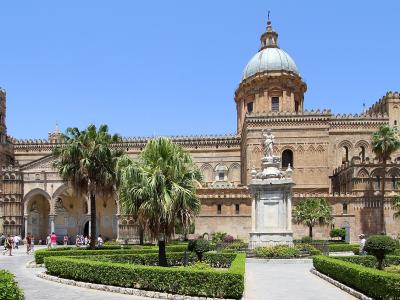
Palermo Cathedral (Cattedrale di Palermo)
UNESCO site blending Norman, Islamic, and Gothic styles
Architectural Monuments · Cultural Tours
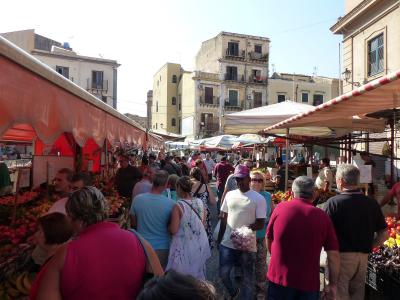
Ballarò Market
Historic open-air market in Palermo's historic center
Historic Districts · Local Cuisine
Questions people ask
Quick Facts
Best Time to Visit
Visit in April to June or September to October for mild temperatures and fewer crowds.