







- Admission
- closed
- Hours
- closed
- Where
- Palermo, Sicily
- Directions
- Directions
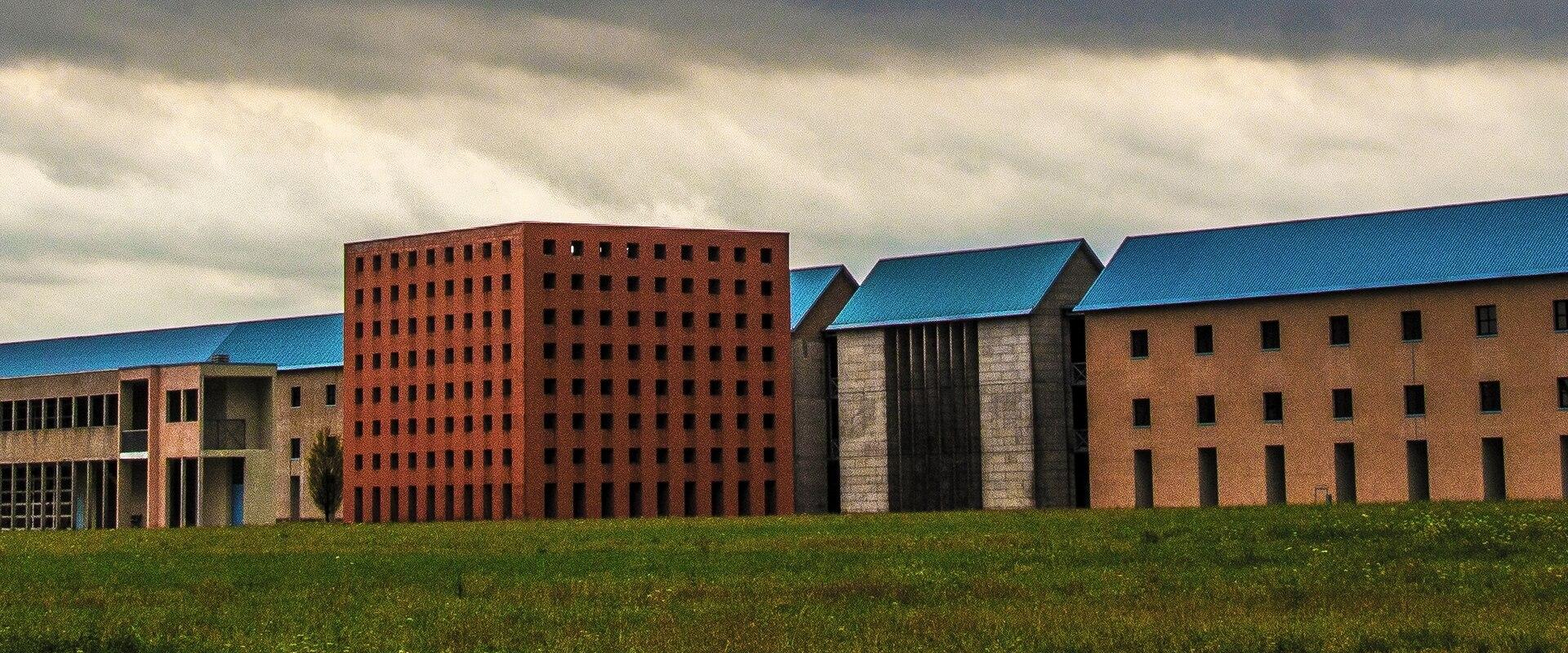
San Cataldo Cemetery in Palermo is a nineteenth-century cemetery with elaborate tombs, and the best way to approach it is as part of Palermo’s tradition of monumental burial grounds. It should not be confused with the Capuchin Catacombs, run by the Capuchin Order and the famous place of mummified bodies, which is known in Italian as the Convento dei Cappuccini and sometimes mistakenly by the name Cimitero dei Cappuccini.
Large municipal cemeteries of this kind became common across Italy in the early nineteenth century. Under laws introduced in the Napoleonic period, burials were moved out of church crypts and city centres and into walled cemeteries beyond the edge of town, a change that took many decades to complete in Sicily. As the new cemeteries filled, wealthy families, guilds and religious confraternities built chapels, mausoleums and sculpted monuments, so a walk through one resembles an open-air museum of local taste and local history. Neoclassical temples, Gothic Revival chapels and Liberty-style sculpture often stand side by side, and the inscriptions give a record of the families that shaped the city.
Palermo has several cemeteries of this period, and each reflects its own corner of the city. Visitors who walk through one will usually find long avenues lined with cypresses, rows of family chapels, simple niches for ordinary burials, and marble figures of mourners, angels and allegorical figures. Fresh flowers and lamps show that the cemeteries are still very much in use, and visitors are expected to behave quietly and respectfully, as they would in a church. Photography is generally tolerated for personal use, but it is polite to avoid photographing mourners or funerals.
The Sicilian approach to remembering the dead is quite distinctive. The Day of the Dead, observed on 2 November, is a family occasion in Sicily, and traditionally children received sweets and gifts supposedly brought by their departed relatives. Cemeteries are visited by whole families and are carefully tended in the days around it, which gives them a lively atmosphere that visitors from elsewhere may not expect.
Anyone planning a visit should check opening hours, which are normally limited to daytime. Travelers who want the mummies and the macabre history that Palermo is known for should head to the Capuchin Catacombs instead, while those interested in funerary art, social history and quiet walking will find a municipal cemetery rewarding. Wear comfortable shoes, bring water in summer and allow an hour or so.
Categories
More photos coming soon
Hours & Fees
- Open
- closed
- Admission
- closed
Hours and prices change, especially out of season. Check with the venue before you go.
Nearby Attractions
Other places to visit in Palermo
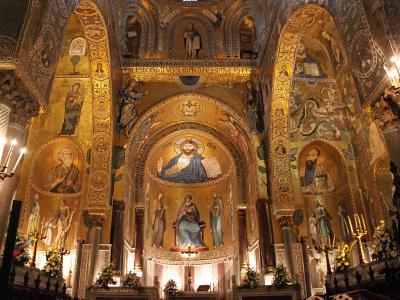
Palatine Chapel (Cappella Palatina)
12th-century Norman chapel with Byzantine mosaics
Architectural Monuments · Historic Churches
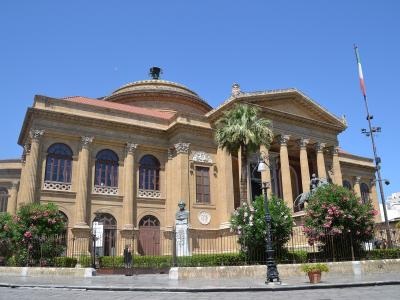
Teatro Massimo
Italy's largest opera house in Palermo
History & Heritage · Museums & Culture
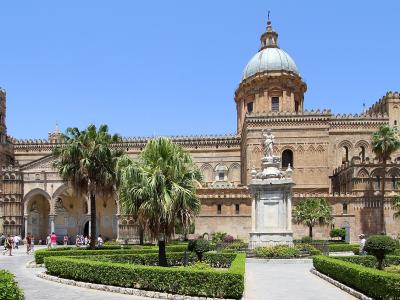
Palermo Cathedral (Cattedrale di Palermo)
UNESCO site blending Norman, Islamic, and Gothic styles
Architectural Monuments · Cultural Tours
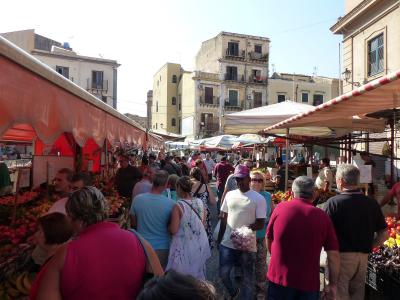
Ballarò Market
Historic open-air market in Palermo's historic center
Historic Districts · Local Cuisine
Questions people ask
Quick Facts
Best Time to Visit
Visit in April to June or September to October for mild temperatures and fewer crowds.