
Lecce
Baroque capital of Salento with golden stone architecture and history
Lecce’s history is deeply rooted in its ancient past as a Messapian settlement, later becoming a significant Roman colony known as Lupiae. During the Middle Ages, it was ruled by various powers, including the Byzantines, Normans, and Angevins. However, the city’s most defining era began in the 17th century when it became a center of the Counter-Reformation. This period saw an explosion of Baroque art and architecture, funded by the wealthy local aristocracy. Churches, palaces, and fountains were adorned with intricate carvings and elaborate facades, creating the unique urban landscape that defines Lecce today. The city remained under Spanish and Bourbon rule until Italian unification in the 19th century. Throughout its history, Lecce has preserved its architectural heritage, making it one of the most beautiful cities in Italy.
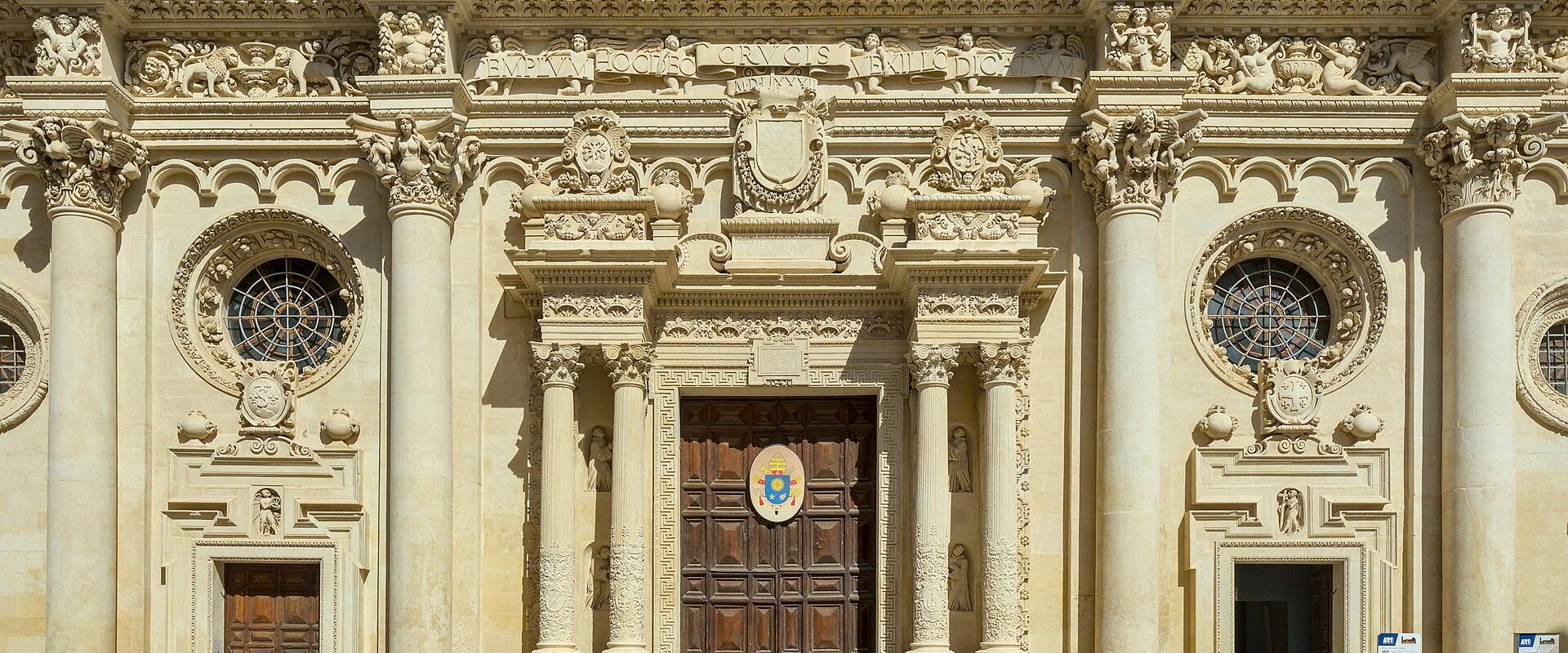
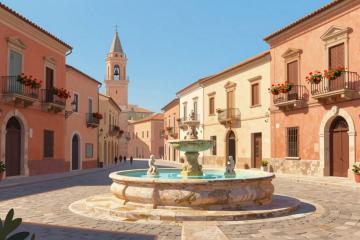
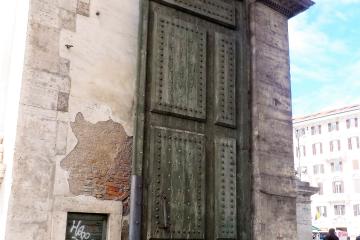
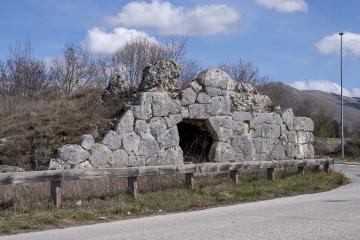
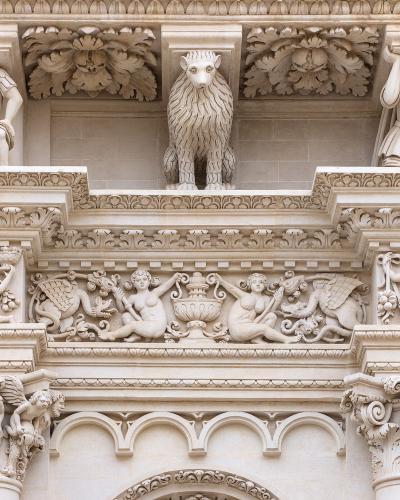
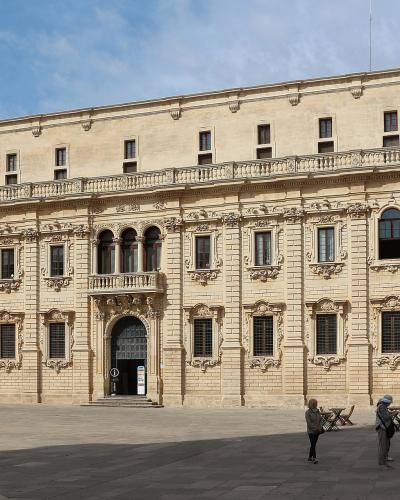
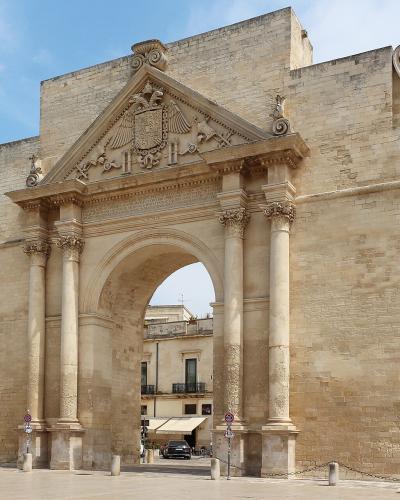
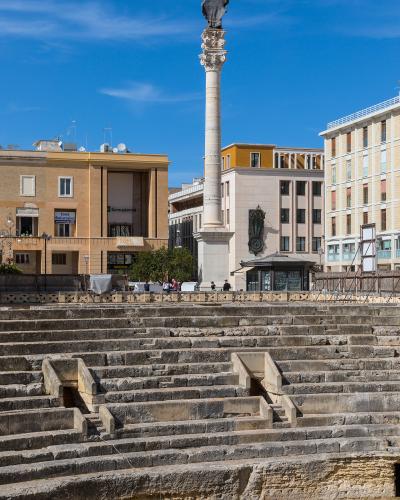
The main attractions in Lecce are centered around its Baroque masterpieces. The Basilica di Santa Croce is a masterpiece of Baroque architecture, featuring an ornate facade with statues of saints and allegorical figures. The Piazza del Duomo is the heart of the city, dominated by the Cathedral of San Cesareo and the Bishop’s Palace. The Roman Amphitheater, partially excavated, offers a glimpse into the city’s Roman past. The Arco di Carlo V, a triumphal arch built by Charles V, marks the entrance to the historic center. The Palazzo dei Celestini and the Church of the Santissima Annunziata delle Scale are other notable examples of Baroque elegance. The city’s narrow streets, known as 'caruggi,' are lined with boutiques, cafes, and artisan shops, inviting visitors to explore its hidden gems.
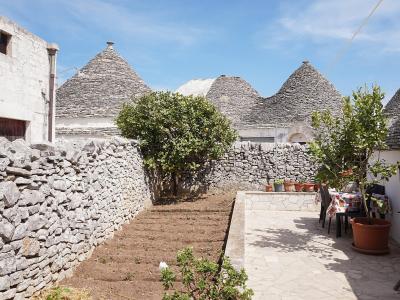
Activities in Lecce include exploring the historic sites, visiting museums, and enjoying the local cuisine. The city is known for its traditional Puglian dishes, such as orecchiette pasta, burrata cheese, and fresh seafood. Visitors can take guided tours to learn about the city’s Baroque heritage and Messapian history. The surrounding Salento region offers beautiful beaches, olive groves, and historic trulli houses in nearby towns. Lecce also hosts various festivals and events throughout the year, including the Lecce Baroque Festival. Shopping includes local ceramics, textiles, and food products. For those interested in history, the Archaeological Museum of the Terra d'Otranto provides insights into the region’s ancient civilizations.
Getting to Lecce is convenient via rail and road. The city is well-connected by the Adriatic railway line, with frequent trains from Bari, taking approximately 1.5 hours. Lecce has a railway station in the city center. For those traveling by car, the A14 motorway provides easy access from north and south. The nearest airport is Brindisi-Casale Airport, located about 50 kilometers away. The best time to visit Lecce is from April to June or September to October, when the weather is mild and pleasant, ideal for exploring the outdoor attractions and historic sites. July and August are peak tourist months, with higher temperatures and larger crowds. Winter is mild but can be windy. Despite the seasonal variations, Lecce’s rich history and beautiful architecture make it a rewarding destination year-round.
Best Time to Visit
Visit between April and June or September and October for mild temperatures and fewer crowds.
Did you know?
Interesting, verified facts about Lecce
Lecce Has a Second Local Claim
HistoryKnown as the 'Florence of the South,' it is renowned for its exceptional Baroque architecture, characterized by buildings constructed from local golden limestone that glows warmly in the Mediterranean sun.
Source: Lecce - "The Florence of South Italy..." Or Not - Travels - LaVitaBuonoLecce Has Deep Founding Roots
HistoryLecce’s history spans from its Messapian origins to its prominence as a major center during the Roman and Norman periods, culminating in a Baroque flourishing in the 17th and 18th centuries.
Source: LeccePlan Your Visit to Lecce
Essential travel tips and information for your trip to Lecce.
Suggested Itineraries
One Day in Lecce
1 dayPerfect for a quick visit. See the main highlights and get a taste of local culture.
Extended Lecce Experience
2-3 daysComprehensive exploration including nearby attractions and cultural experiences.
Travel Tips
Currency
EUR • Cards widely accepted
Language
Italian • English in tourist areas
WiFi
Free WiFi in cafes and hotels
Explore Lecce by Interest
Discover attractions and experiences in Lecce organized by your interests and travel preferences.

All attractions in Lecce
Sorted by our recommendation score
Quick Facts
Book your stay
Frequently Asked Questions
More destinations in Apulia
Explore other amazing places in the Apulia region