







- Where
- Lecce, Apulia
- Directions
- Directions
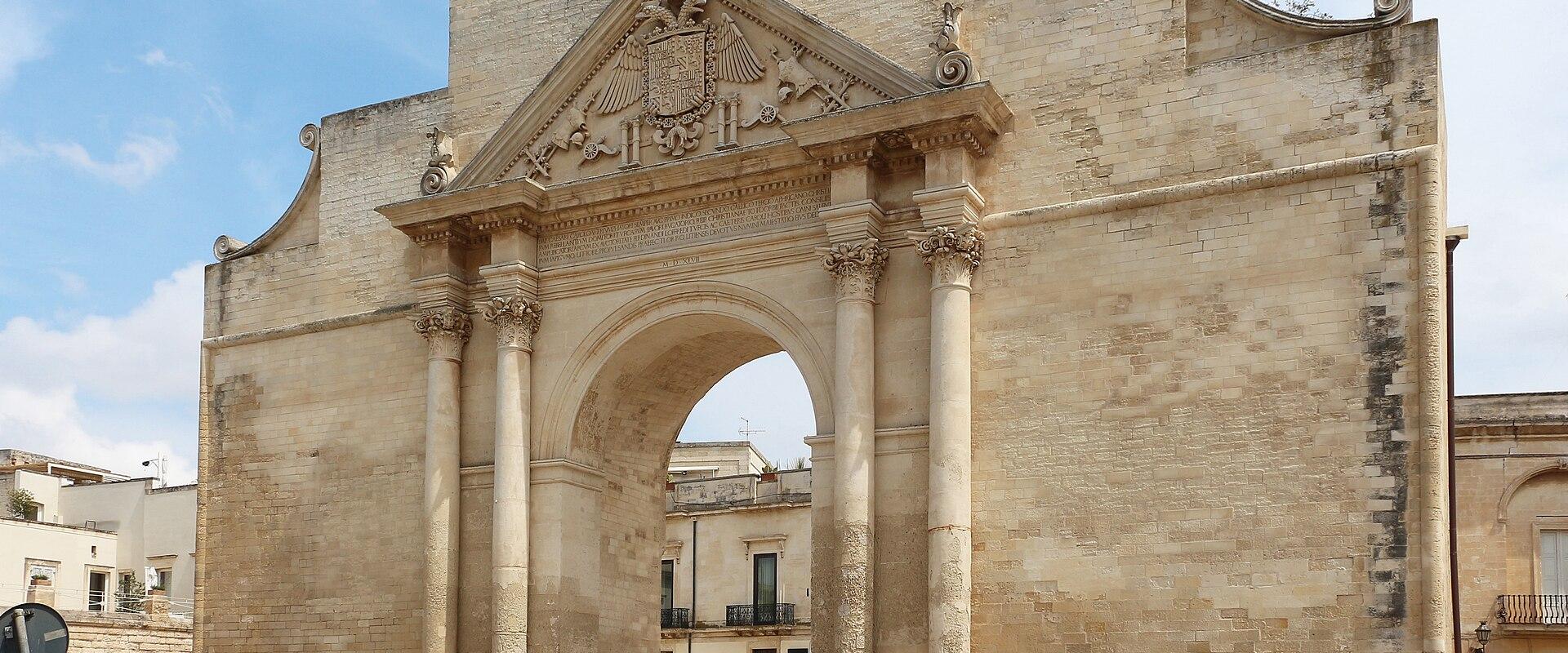
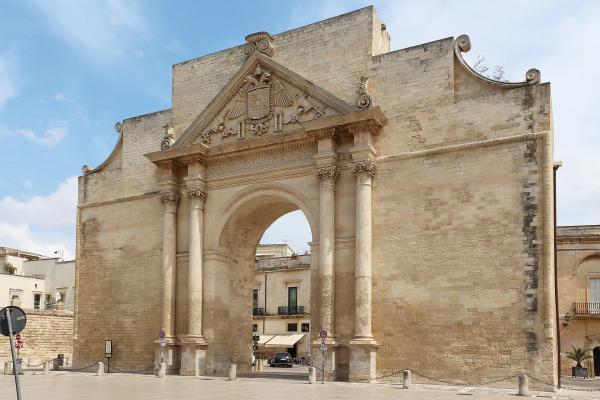
The Arco di Trionfo, also known as the Porta Napoli, is a monumental gate at the north-western edge of the historic centre of Lecce, in Puglia, in southern Italy. It was erected in 1548 in honour of Emperor Charles V, the Holy Roman Emperor and king of Spain, who ruled Naples and the south and who had strengthened Lecce’s defences against Ottoman naval attacks. The city's walls were rebuilt in the 1540s under the supervision of the military architect Gian Giacomo dell'Acaya, and the gate was part of that programme. It stands where the road to Naples entered the city, which explains its name.
The arch is a symbolic gateway into the city and a monument celebrating Charles V’s reign and military achievements. The design reflects Renaissance classical inspiration, with a single large arch flanked by Corinthian columns and topped by a pediment, with panels, coats of arms and symbolic stone carvings. Above the arch are statues of Lecce's three patron saints, Oronzo, Giusto and Fortunato, and the imperial arms recall the dynasty that built it. The pale, honey-coloured local limestone has the golden tone characteristic of the city. The mix of imperial pride and civic devotion is typical of the period.
The arch gives its name to the surrounding Piazzetta Arco di Trionfo, a charming square paved in stone and surrounded by historic buildings, many of them in the Baroque style that made Lecce famous. The square is lined with cafes and shops, acting as a cultural and social hub, and it is a popular spot for locals, students from the nearby university and tourists. As an open public space, the arch and the piazzetta have no opening hours or admission fees, and they can be visited at any time. They are especially atmospheric in the evening, when the stone is lit and the cafes fill.
Exploring the arch takes only a few minutes, but the surroundings reward a longer visit. Passing through the gate, you enter the old town along a street that leads past the Basilica di Santa Croce, with its extraordinarily rich Baroque facade, to the Piazza del Duomo and the Roman amphitheatre in Piazza Sant'Oronzo. The Palazzo dei Celestini and other palaces are along the way, and the whole walk shows the character of the city called the Florence of the South.
Visit in the morning, when the light is soft and the streets are quiet, or late in the afternoon. Wear comfortable shoes for the polished paving. Lecce’s cuisine, with its pasticciotto custard pastries, strong coffee with almond milk and hearty vegetable dishes, is a good reason to stop at the cafes in the square.
More photos coming soon
Nearby Attractions
Other places to visit in Lecce
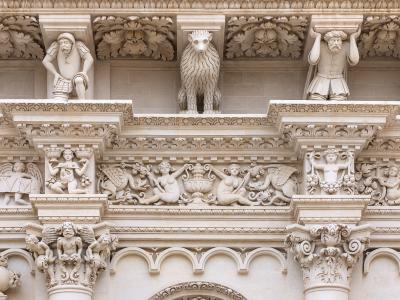
Basilica di Santa Croce
Lecce's Baroque masterpiece with intricate stone carvings
Architectural Monuments · Historic Churches
Lecce Cathedral (Cattedrale di Santa Maria Assunta)
Baroque cathedral built from local limestone
Architectural Monuments · Historic Churches
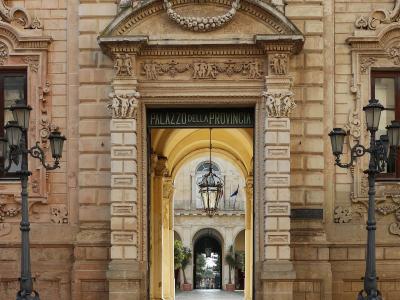
Palazzo dei Celestini
17th-century Baroque palace on Via Umberto I
Architectural Monuments · Historic Palaces
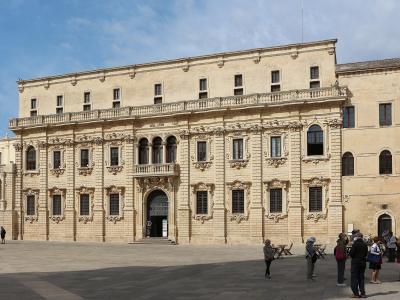
Palazzo del Seminario
Baroque cloister, chapel, and Diocesan Museum
Art Museums · Historic Churches
Questions people ask
Quick Facts
Best Time to Visit
Visit between April and June or September and October for mild temperatures and fewer crowds.