







- Admission
- Free
- Hours
- Open 24 hours
- Where
- Lecce, Apulia
- Directions
- Directions
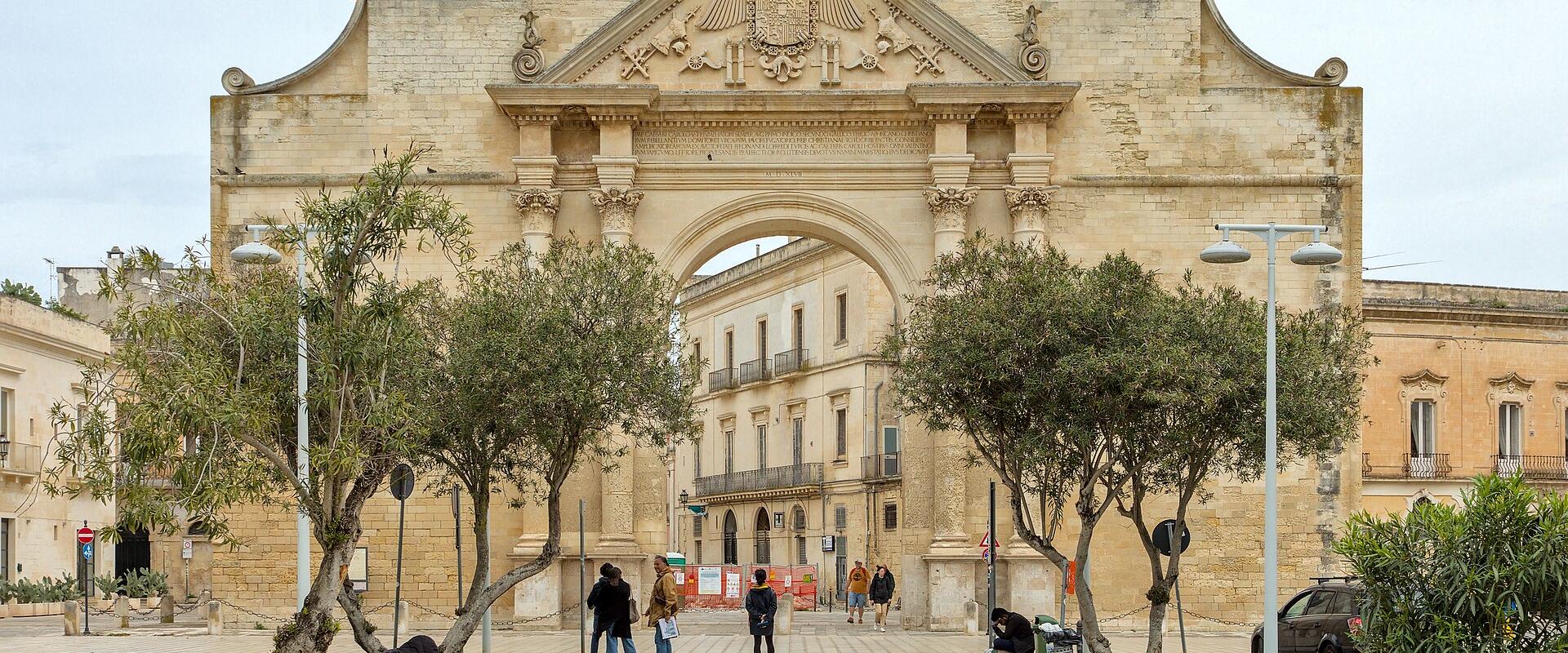
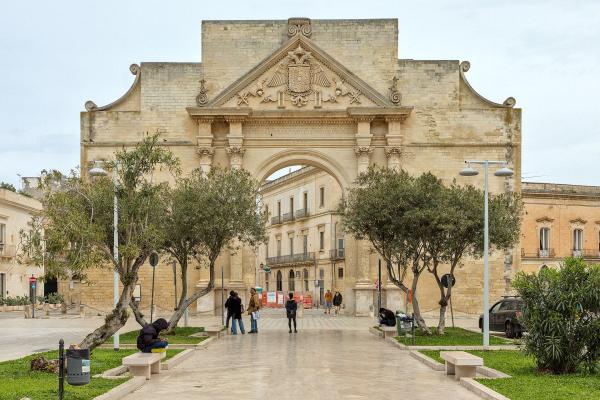
Porta Napoli is the grandest of the gates into Lecce's old town, a triumphal arch raised in 1548 in honour of Emperor Charles V. It stands where the older Porta San Giusto once opened in the city walls, on the road that led towards Naples, which gave the gate its name.
The arch is built from the soft, honey-coloured pietra leccese that defines the city. Paired Corinthian columns frame the opening, and above them the attic carries the imperial coat of arms with the double-headed eagle, a statement of loyalty to the Habsburg ruler at a time when Lecce was refortified against attack from the sea. Compared with the exuberant Baroque façades inside the walls, its lines are restrained and classical, which makes it a useful reference point for how the city looked before its seventeenth-century building boom.
Just outside the gate stands a tall obelisk raised in the nineteenth century in honour of Ferdinand I of the Two Sicilies, and the two together make a handsome pairing at the end of Via Palmieri.
The arch is an outdoor monument that you can walk through at any hour, so it fits naturally at the start or end of a walk through the historic centre. From here Via Palmieri leads straight into the old town towards the Duomo and Piazza Sant'Oronzo, a ten-minute stroll past palazzi and churches. Late afternoon light brings out the warm colour of the stone best.
Lecce is one of the great Baroque cities of southern Italy, and its soft local stone, easy to carve when freshly quarried, allowed builders to cover church fronts with fruit, flowers, animals and saints. The Basilica of Santa Croce, a few minutes' walk from the gate, is the most extravagant example. Piazza Sant'Oronzo, at the centre of town, holds the partly excavated remains of a Roman amphitheatre, and the city's two other old gates, Porta Rudiae and Porta San Biagio, mark other entrances to the historic centre.
Lecce is also known for papier-mâché, or cartapesta, a craft used for religious statues, and small workshops in the old town still make and sell figures. The city makes a good base for exploring the Salento peninsula, with the beaches of both the Adriatic and Ionian coasts within a short drive.
More photos coming soon
Hours & Fees
- Open
- Open 24 hours
- Admission
- Free
Hours and prices change, especially out of season. Check with the venue before you go.
Nearby Attractions
Other places to visit in Lecce
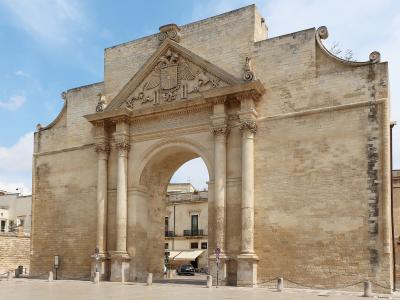
Arco di Trionfo (Arch of Triumph)
1548 Renaissance gate honoring Emperor Charles V
Architectural Monuments · Historic Districts
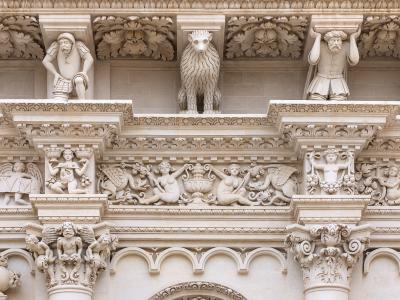
Basilica di Santa Croce
Lecce's Baroque masterpiece with intricate stone carvings
Architectural Monuments · Historic Churches
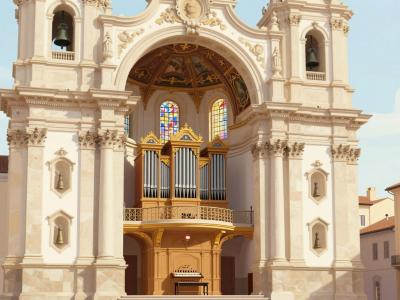
Lecce Cathedral (Cattedrale di Santa Maria Assunta)
Baroque cathedral built from local limestone
Architectural Monuments · Historic Churches
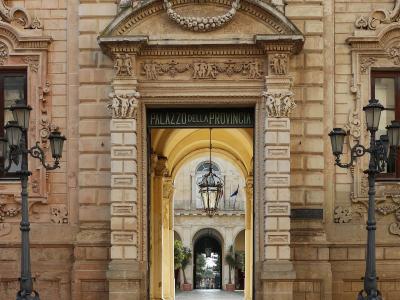
Palazzo dei Celestini
17th-century Baroque palace on Via Umberto I
Architectural Monuments · Historic Palaces
Questions people ask
Quick Facts
Best Time to Visit
Visit between April and June or September and October for mild temperatures and fewer crowds.