







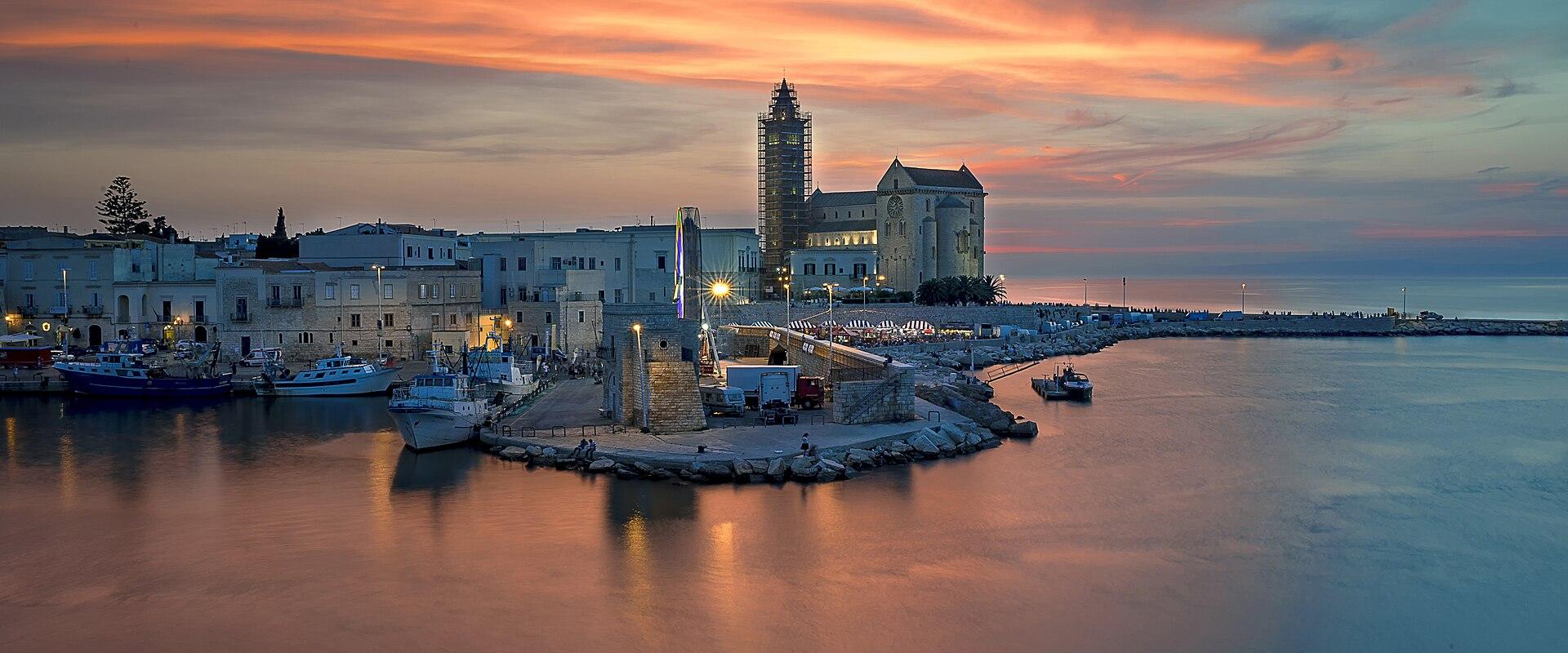
Trani’s history is deeply rooted in its strategic position on the Adriatic coast. Originally inhabited by the Messapians and later the Romans, the city grew in importance during the Middle Ages. Under Norman rule in the 11th and 12th centuries Trani became a powerful maritime centre, rivalling Amalfi and Pisa in trade and naval power, and in 1063 it issued a set of sea laws, the Ordinamenta Maris, regarded as among the first maritime codes of the Adriatic. The Normans began the Cathedral of San Nicola Pellegrino, a masterpiece of Romanesque architecture, which remains the city’s most iconic landmark. During this period Trani was a key port for pilgrims travelling to the Holy Land and a centre of commerce, exchanging goods with the Byzantine Empire and the Levant. The city’s wealth is evident in its historic buildings and fortifications. Over the centuries Trani passed through various hands, including Spanish and Bourbon rule, but kept its medieval character. The port stayed active until the 19th century, after which the city moved toward a quieter, residential, and tourist-oriented economy.
The main attractions are centred on the historic centre and the sea. The Cathedral of San Nicola Pellegrino, begun at the end of the 11th century and dedicated to a young pilgrim saint, is a splendid example of Norman-Romanesque architecture, with carved details, a large rose window, and a bell tower, and a bronze door of the 12th century. The cathedral stands on the very edge of the sea, with a crypt below and an upper church above, and gives wide views of the Adriatic Sea. The Castello Svevo, the Swabian castle built in the 13th century for Frederick II beside the harbour, and it long served as a prison. The Old Port (Porto Antico or Porto Vecchio) is another key attraction, with its historic warehouses, fish market, and waterfront restaurants. Visitors can take boat tours of the coast. The historic centre is a maze of narrow streets, lined with churches, palaces, and artisan shops. The Church of San Benedetto and the Church of Santa Maria del Mare are notable religious sites, and the old Jewish quarter, the Giudecca, holds the former Scolanova synagogue, now a church again. The city also has a lively promenade along the sea, ideal for evening strolls.
Activities in Trani include exploring the historic sites, enjoying the waterfront, and savouring the local cuisine. The city is famous for its fresh seafood, particularly mussels, clams, and fish, prepared in traditional Puglian styles, and for Moscato di Trani, a sweet local wine. Visitors can take guided tours to learn about the city’s maritime history and architecture. The surrounding area offers hiking trails along the coast and, farther north, access to the Gargano National Park. Trani is also a base for exploring nearby towns such as Barletta and Andria, and for the octagonal Castel del Monte, a UNESCO site inland. The city hosts festivals and events through the year, celebrating its cultural heritage and maritime traditions. Shopping includes local ceramics, olive oil, and wine. For those interested in history, the Archaeological Museum of Trani gives insights into the region’s ancient past.
Getting to Trani is convenient by rail and road. The city is connected by the Adriatic railway line, with frequent trains from Bari taking approximately 45 minutes, and Trani has a railway station in the city centre. By car, the A14 motorway provides easy access from north and south. The nearest airport is Bari Karol Wojtyła Airport, about 40 kilometres away.
The best time to visit Trani is from April to June or September to October, when the weather is mild and pleasant, ideal for outdoor attractions and historic sites. July and August are peak tourist months, with higher temperatures and larger crowds. Winter is mild but can be windy. Despite the seasonal variations, Trani’s rich history and beautiful coastline make it a rewarding destination year-round.
Best time to visit
Visit between April and June or September and October for mild temperatures and fewer crowds.
What to see in Trani
Our picks first.
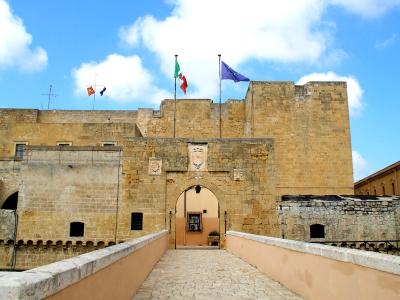
Aragonese Castle (Castello Svevo-Aragonese)
Seaside Swabian-Aragonese castle and museum
From €8 Archaeological Museums · Castles & Fortresses
Porto Antico (Old Port)
Working fishing port with daily catches
Coastal & Maritime · Fishing Villages
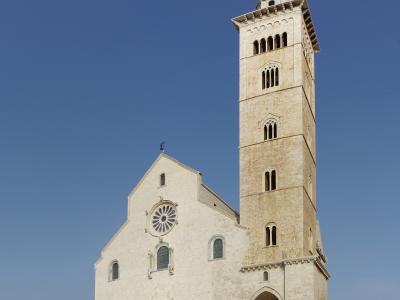
Trani Cathedral (Duomo di Trani)
12th-century Apulian Romanesque cathedral
Architectural Monuments · Historic Churches
Trani by interest
The same sights, grouped by what you came for.
Did you know?
Checked facts about Trani, each with its source.
-
History
Trani's Maritime Ordinances Are Dated 1063
Trani's Ordinamenta et consuetudo maris, sea laws issued by consuls of the town's guild of navigators, are traditionally dated 1063, which would make them among the oldest surviving maritime codes in medieval Europe. The date is debated by historians, as the text survives only in later copies.
Source: Admiralty & Maritime Law Guide
Planning a visit to Trani
Itineraries that include Trani
Good to know
- Currency
- EUR
- Language
- Italian
Quick Facts
Book your stay
Questions people ask
More places in Apulia
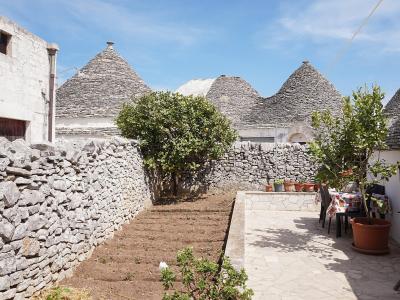
Apulia
Alberobello
UNESCO-listed town in Puglia famous for unique conical trulli houses
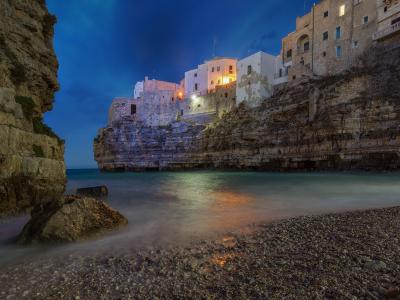
Apulia
Polignano A Mare
Dramatic cliffside town in Puglia with iconic caves and beaches
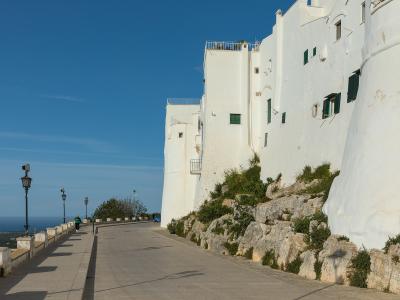
Apulia
Ostuni
Whitewashed hill town in Apulia known as the White City
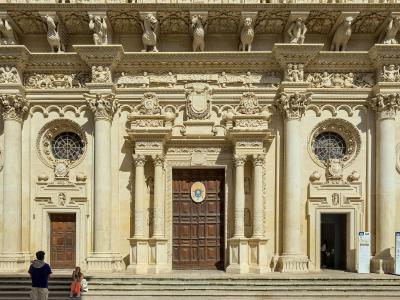
Apulia
Lecce
Baroque capital of Salento with golden stone architecture and history