







- Where
- Lecce, Apulia
- Directions
- Directions
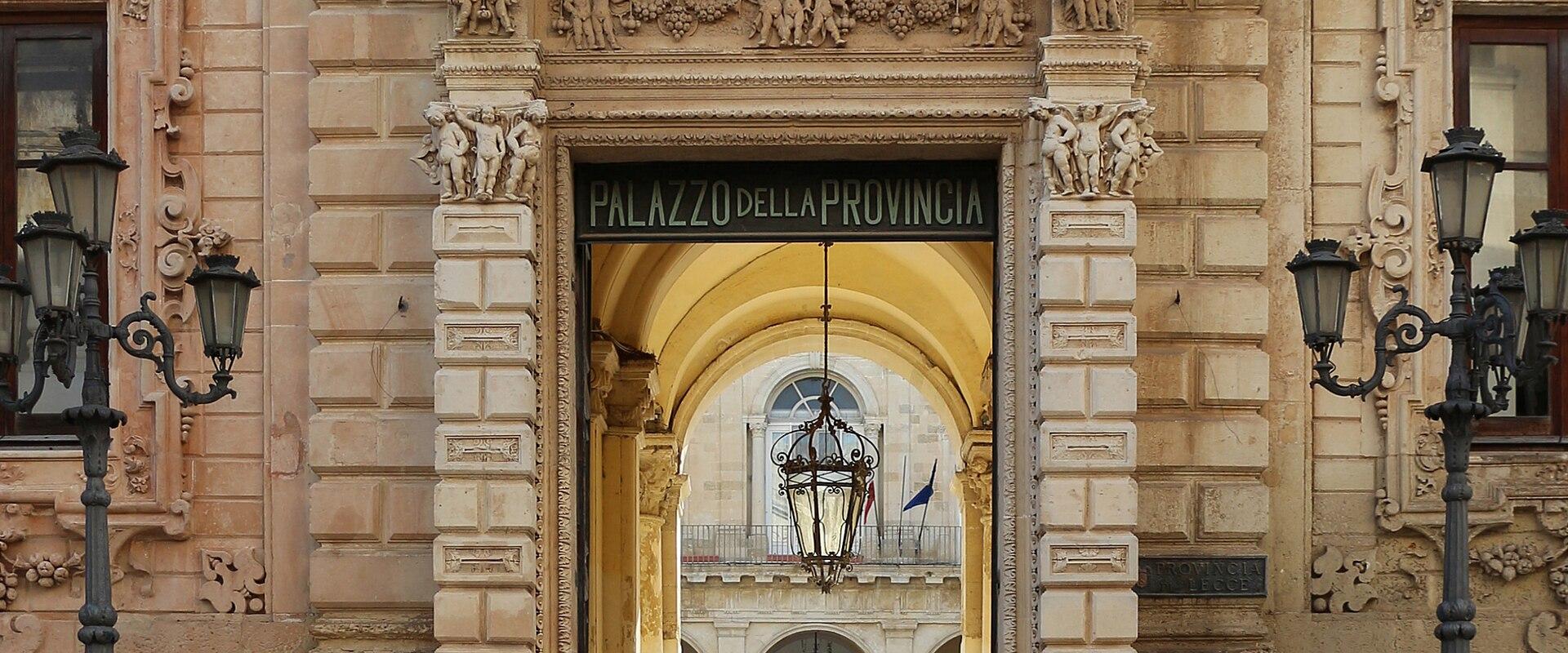
The Palazzo dei Celestini is a Baroque palace in the historic centre of Lecce, on Via Umberto I, directly beside the Basilica di Santa Croce, and its long limestone facade is one of the best known sights of the city of southern Italy known as the Florence of the South. It was built between 1659 and 1695 as part of a monastery of the Celestine order, a branch of the Benedictines, and the design is attributed to the architect Giuseppe Zimbalo, called Zingarello, who also worked on the facade of the neighbouring basilica, and to Giuseppe Cino, who continued the work. The two buildings were meant to form a single complex, and their relationship is the main reason to look at the palace.
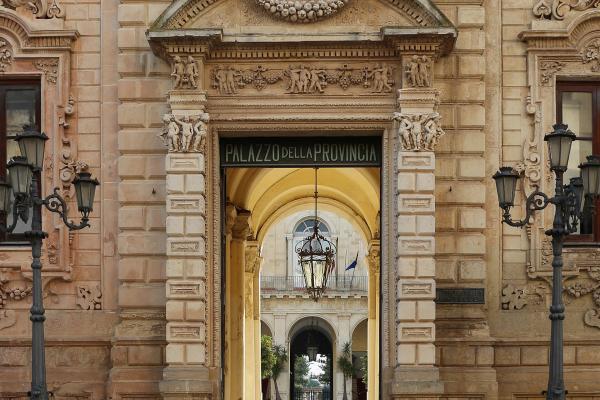
The palace is built in the pale, honey-coloured stone of the area, the pietra leccese, a soft limestone that is easy to carve when freshly quarried and hardens in the air, which is why Lecce's Baroque ornament is so rich and detailed. The facade is long and rhythmic, with repeated windows, carved frames, balconies supported by sculpted figures and decorative cornices, and the harmony with the neighbouring basilica is a distinctive part of the Lecce Baroque style, which was far more exuberant than the Baroque of northern Italy. The ornament is not lavish across the entire surface, but concentrated at the windows and balconies, so the building keeps a sense of order.
In 1807, during the Napoleonic occupation, the Celestine fathers were evicted when the French suppressed many religious houses, and the structure has since served various institutional roles. Today it functions as the Government Palace, the Palazzo del Governo, the seat of the prefecture and provincial offices, which means it is not open to the public as a museum. Visitors primarily view the long limestone facade from the street, and the courtyard may be seen only on special occasions.
The building is recommended for tourists interested in architecture and photography, who wish to experience the historic character of the city. The best views come from the opposite side of the street, where a wide pavement allows a view of the entire front, and the light is best in the late afternoon, when the stone turns golden. The balconies and carved details of the neighbouring basilica, which has a huge rose window crowded with figures, can be studied in the same visit.
Lecce’s historic centre is compact and easy to explore on foot. Piazza del Duomo, one of the most beautiful squares in Italy, lies close by, and the Roman Amphitheater, partially excavated in the Piazza Sant'Oronzo, is a short walk. The Arco di Trionfo, the Porta Napoli, closes the old town. Allow twenty minutes for the palace and more for the basilica. Evening, when the facades are lit, is the best time for a stroll.
Categories
More photos coming soon
Nearby Attractions
Other places to visit in Lecce
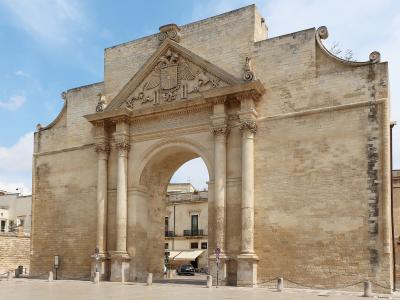
Arco di Trionfo (Arch of Triumph)
1548 Renaissance gate honoring Emperor Charles V
Architectural Monuments · Historic Districts
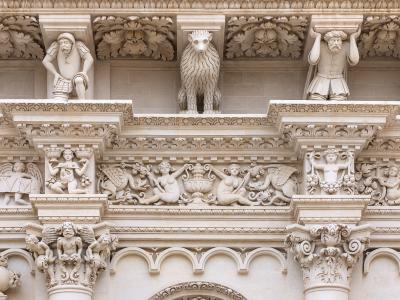
Basilica di Santa Croce
Lecce's Baroque masterpiece with intricate stone carvings
Architectural Monuments · Historic Churches
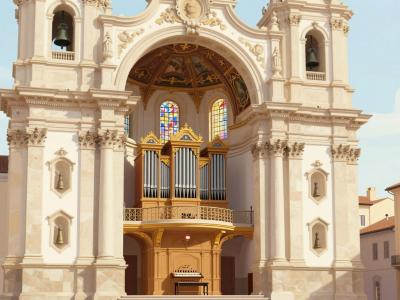
Lecce Cathedral (Cattedrale di Santa Maria Assunta)
Baroque cathedral built from local limestone
Architectural Monuments · Historic Churches
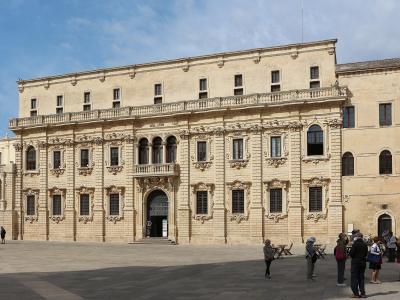
Palazzo del Seminario
Baroque cloister, chapel, and Diocesan Museum
Art Museums · Historic Churches
Questions people ask
Quick Facts
Best Time to Visit
Visit between April and June or September and October for mild temperatures and fewer crowds.