







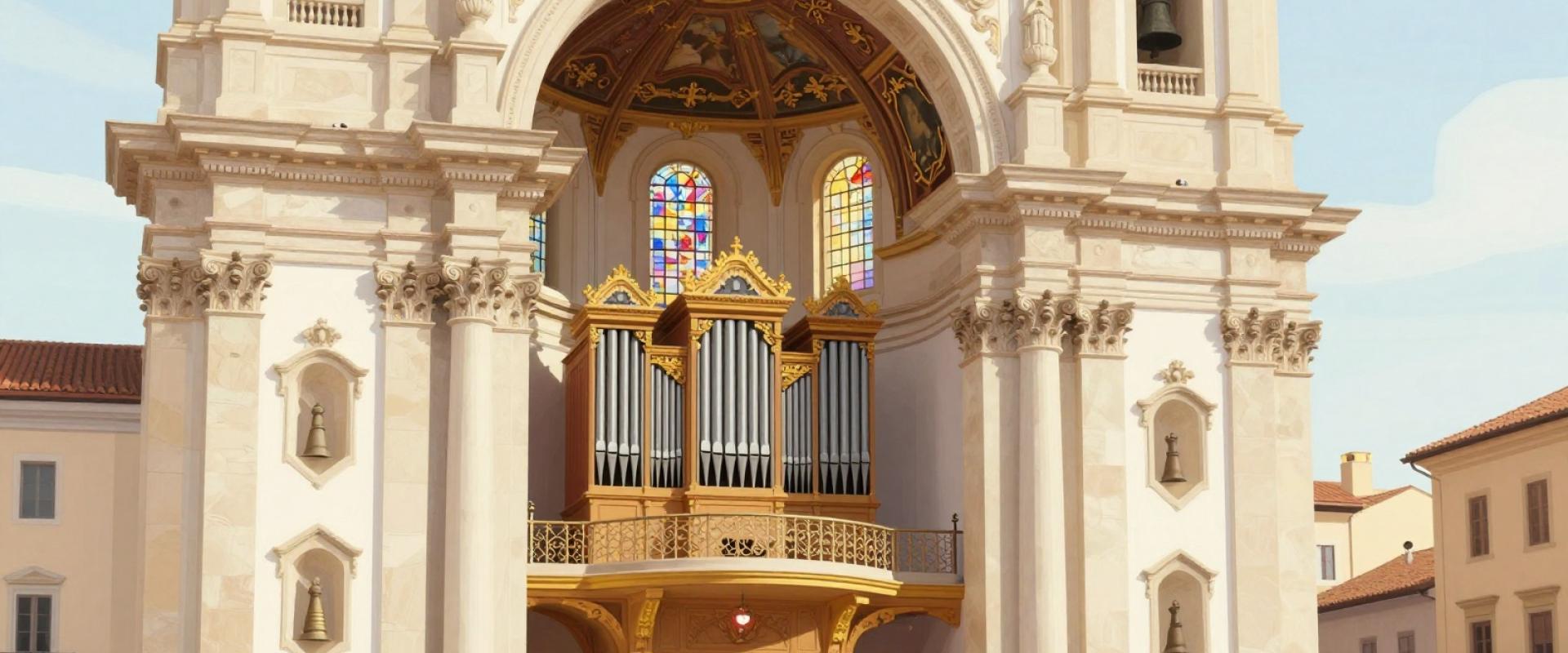
Lecce Cathedral (Cattedrale di Santa Maria Assunta)
Baroque cathedral built from local limestone
- Where
- Lecce, Apulia
- Directions
- Directions
Lecce Cathedral, officially the Cattedrale di Santa Maria Assunta, is the principal church of Lecce, in Apulia, in the heel of Italy, and it is dedicated to the Assumption of the Virgin Mary. It stands in the Piazza del Duomo, a large closed square that is entered through a narrow street, so that visitors find themselves suddenly in a wide, enclosed space of pale stone with the cathedral, its tall bell tower, the bishop’s palace and the Palazzo del Seminario around them. This theatrical arrival is one of the most memorable moments in the city, and it is best experienced in the evening, when the stone glows warm in the light of lamps. The square is one of the few in Italy that is almost completely closed to the outside, and it was designed to impress.
The church was originally founded in the 12th century, but the cathedral you see today is the product of a thorough rebuilding in the Baroque period, in the second half of the 17th century. The architect was Giuseppe Zimbalo, known as Lo Zingarello, the leading master of Lecce’s Baroque, who rebuilt the church between 1659 and 1670 and then designed the tall bell tower, which rises in five stages to a height of about seventy metres and was completed in the 1680s. The facade facing the square is elaborately carved with statues, columns, volutes and ornament, and the second portal, on the long side of the building, has a still more exuberant composition with a statue of the patron saint, Saint Oronzo, above it.
Everything is carved from pietra leccese, the soft golden limestone of the region, which is easy to cut when freshly quarried and hardens in the air. The stone allowed carvers to produce an extraordinary richness of detail, with flowers, fruits, cherubs and masks, and it gives the buildings of the city their honey colour, which has earned Lecce the nickname of the Florence of the South. Inside, the church follows a Latin cross plan with three naves, separated by great arches, and the ceiling is decorated with painted panels and gilded woodwork. Side chapels hold altars with canvases by 17th and 18th century painters from the region, and below the church is a crypt of an earlier period with many columns.
The cathedral is a working church, and modest dress is expected, with silence during services. Opening times and any ticket arrangements for the bell tower or crypt may change, so check locally. A visit to the interior takes around half an hour. The square is a short walk from the Basilica di Santa Croce, famous for its facade, the Palazzo dei Celestini, the Arco di Trionfo, which marks a gate into the old town, and the Roman Amphitheatre of Lecce (spelled Amphitheater in American English). The cathedral suits those who enjoy Baroque art and architecture, and anyone who wants to understand why this city is so admired in southern Italy.
Categories
More photos coming soon
Nearby Attractions
Other places to visit in Lecce
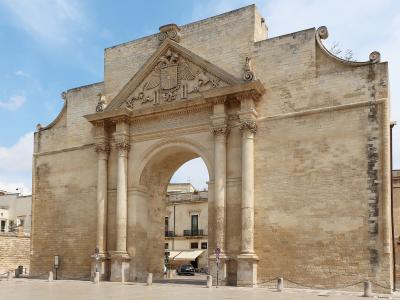
Arco di Trionfo (Arch of Triumph)
1548 Renaissance gate honoring Emperor Charles V
Architectural Monuments · Historic Districts
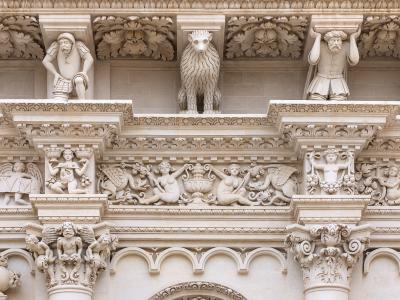
Basilica di Santa Croce
Lecce's Baroque masterpiece with intricate stone carvings
Architectural Monuments · Historic Churches
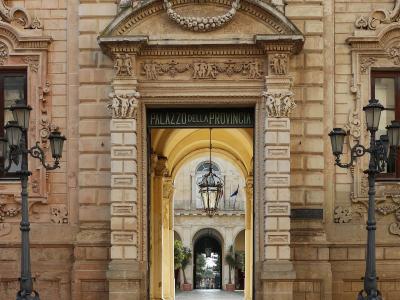
Palazzo dei Celestini
17th-century Baroque palace on Via Umberto I
Architectural Monuments · Historic Palaces
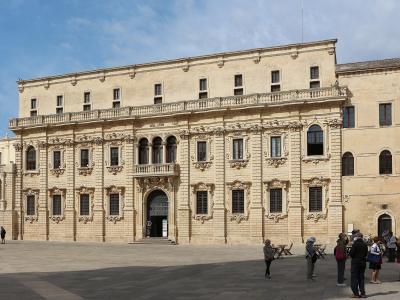
Palazzo del Seminario
Baroque cloister, chapel, and Diocesan Museum
Art Museums · Historic Churches
Questions people ask
Quick Facts
Best Time to Visit
Visit between April and June or September and October for mild temperatures and fewer crowds.