
Gubbio
Medieval Umbrian hill town with Roman ruins, candle festival, and palace
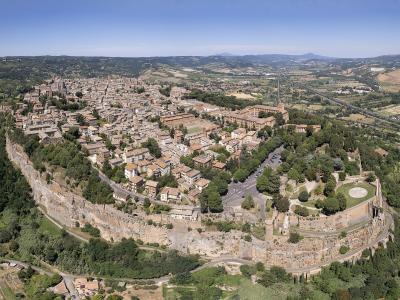
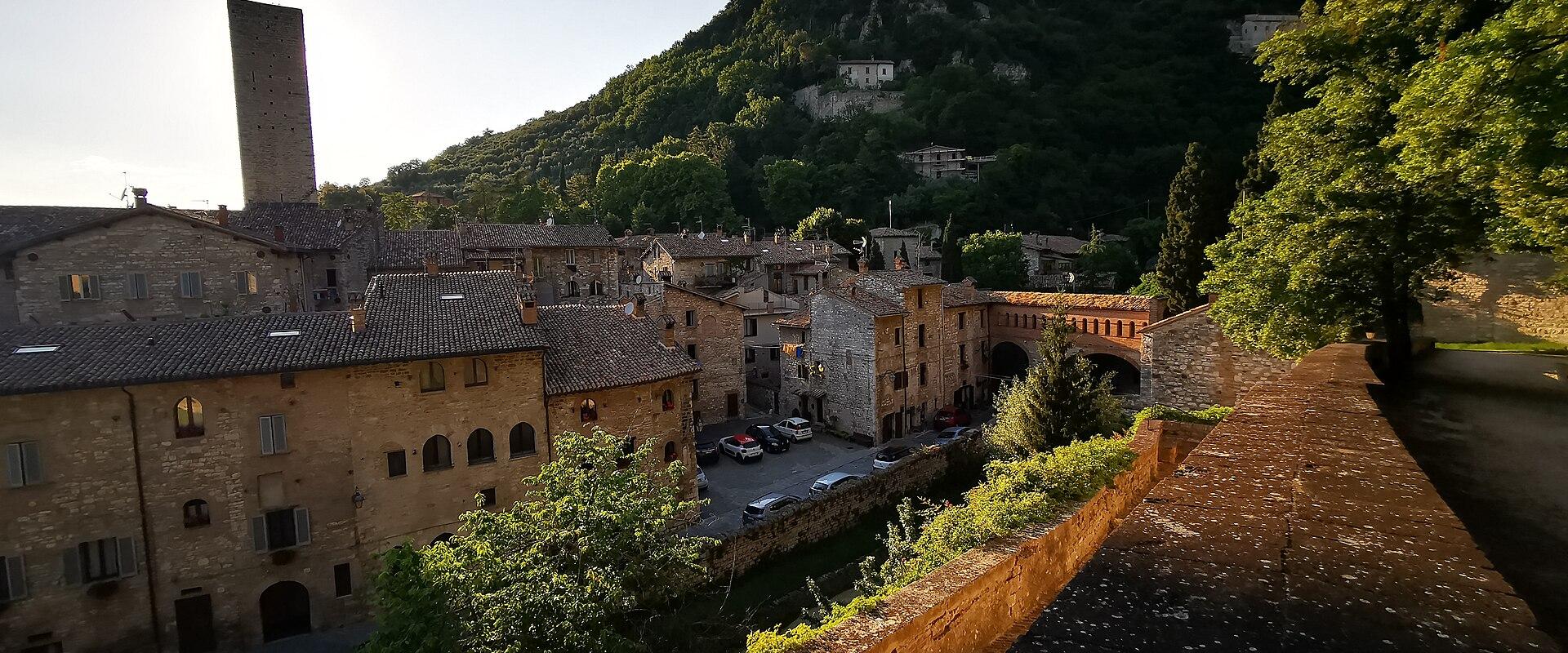
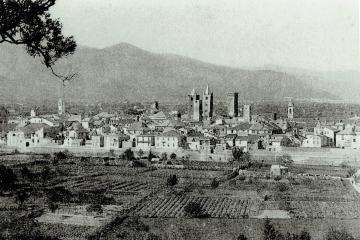
Gubbio’s history is deeply rooted in its Etruscan and Roman origins, where it was known as Iguvium. The town was a significant center in Roman Umbria, and many of its ancient structures, including the Roman Gate (Porta dei Cambi) and the Roman Amphitheater, still stand today. During the Middle Ages, Gubbio became a powerful commune, often in conflict with neighboring cities like Perugia and Assisi. The town was ruled by various families, including the Ubaldini, who built the Palazzo dei Consoli in the 14th century as a symbol of civic power. The town also has a strong religious tradition, particularly associated with Saint Ubaldo, its patron saint, who was a bishop in the 12th century. Today, Gubbio preserves its historic center, with narrow streets, medieval palaces, and churches that reflect its layered past as a Roman colony, medieval commune, and religious center.
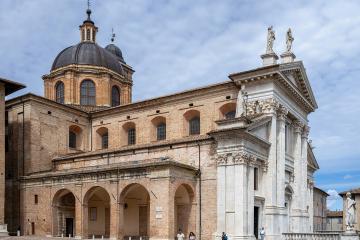
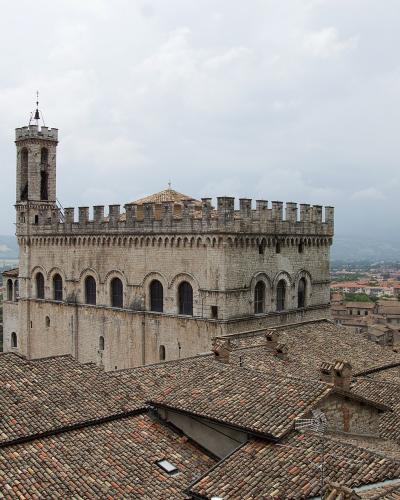
The main attractions in Gubbio are centered around its historic center and cultural traditions. The Palazzo dei Consoli is the most prominent landmark, featuring a massive facade, a grand staircase, and museums housing art and artifacts from the town’s history. The Cathedral of San Giorgio, with its Romanesque and Gothic elements, is a significant religious site, housing the tomb of Saint Ubaldo. The Roman Gate (Porta dei Cambi) and the Roman Amphitheater are key archaeological sites. The town is also famous for the Corsa dei Ceri, a traditional race held in May where teams carry large wooden candles up the steep streets to the sanctuary of Saint Ubaldo. The historic center features the Palazzo del Capitano del Popolo and the Church of San Francesco, with frescoes by Perugino.
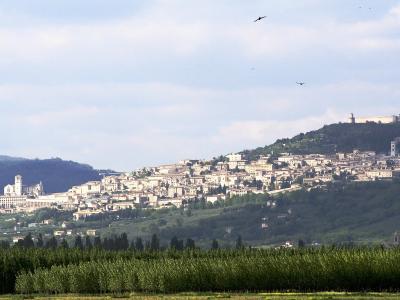
Activities in Gubbio include exploring the historic center, visiting museums, and participating in cultural events. The town is known for its traditional Umbrian cuisine, including wild boar ragù, pici pasta, and local wines like Orvieto. Visitors can take guided tours to learn about the history of the Palazzo dei Consoli and the Corsa dei Ceri. The surrounding area offers opportunities for hiking in the Apennines and visiting nearby hill towns like Assisi and Perugia. Gubbio also hosts various festivals and events throughout the year, including the Feast of Saint Ubaldo. Shopping includes local ceramics, textiles, and food products. For those interested in history, guided tours are available to explore the Roman and medieval heritage of the city.
Getting to Gubbio is convenient via road and rail. The town is accessible by car from Perugia, approximately 60 kilometers away, via the SS3. Gubbio has a railway station on the Florence-Ancona line, with frequent services from major cities. For those traveling by air, the nearest airports are Florence and Ancona. The best time to visit Gubbio is from April to June or September to October, when the weather is mild and pleasant, ideal for exploring the outdoor attractions and historic sites. May is particularly busy due to the Corsa dei Ceri. July and August are peak tourist months, with higher temperatures and larger crowds. Winter is cool but offers a quieter experience, with the town’s museums and cafes providing cultural entertainment. Despite the seasonal variations, Gubbio’s rich history and cultural offerings make it a rewarding destination year-round.
Best Time to Visit
Visit between April and June or September and October for mild temperatures and fewer crowds.
Did you know?
Interesting, verified facts about Gubbio
Gubbio Preserves Medieval Heritage
HistoryIt serves as a premier tourism destination where ancient Roman foundations meet a remarkably preserved medieval atmosphere.
Source: Visiting Gubbio: Travel Guide, What to See and Do | Umbria TourismPlan Your Visit to Gubbio
Essential travel tips and information for your trip to Gubbio.
Suggested Itineraries
Travel Tips
Currency
EUR • Cards widely accepted
Language
Italian • English in tourist areas
WiFi
Free WiFi in cafes and hotels
Explore Gubbio by Interest
Discover attractions and experiences in Gubbio organized by your interests and travel preferences.


All attractions in Gubbio
Sorted by our recommendation score

Quick Facts
Book your stay
Frequently Asked Questions
More destinations in Umbria and Marche
Explore other amazing places in the Umbria and Marche region