







- Admission
- €5 full, €2.50 reduced.
- Hours
- Daily 8:30-19:30; Mondays 14:00-19:30
- Where
- Gubbio, Umbria and Marche
- Directions
- Directions
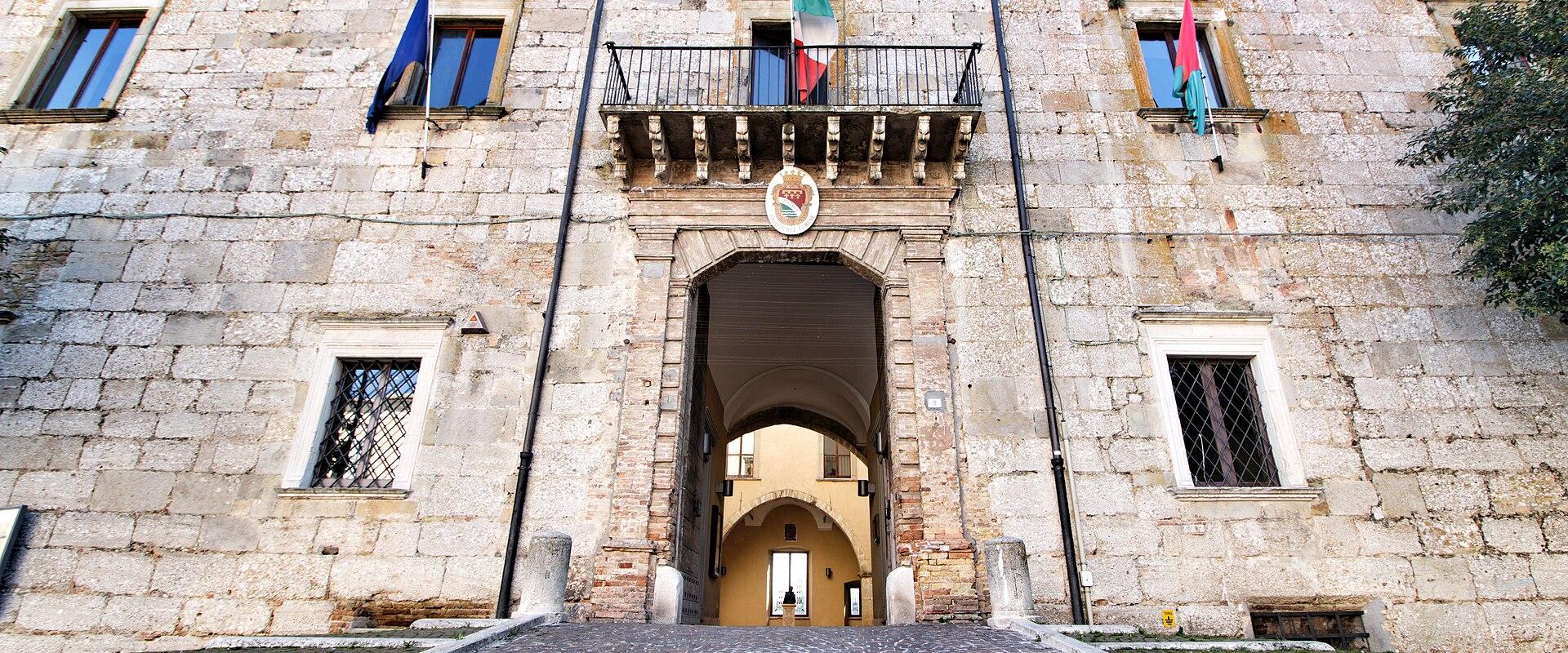
The Palazzo dei Duchi, also known as the Palazzo Ducale or the Corte Nuova, the New Court, is the Renaissance palace of Gubbio, and it stands in the upper part of the medieval town, directly opposite the Cathedral of Saints Mariano and Giacomo. Gubbio belonged to the Montefeltro family from the late 14th century, and in the 15th century it was part of the lands of Federico da Montefeltro, the Duke of Urbino, who was a soldier and one of the most cultured patrons of the age. In 1470 or so, Federico had a palace built here, over earlier medieval structures, as a residence for his visits and as a statement of power, and it reflects the style of his own palace in Urbino. The design is attributed to architects of his circle, among them Francesco di Giorgio Martini, and the result was an elegant building with a refined courtyard, which blends medieval foundations with Renaissance clarity.
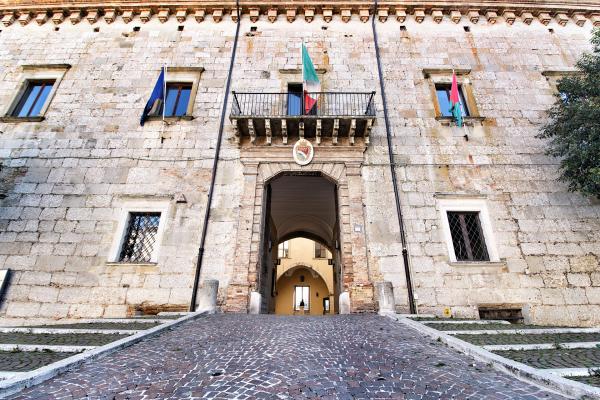
The exterior is plain, in the pale local stone, with a simple facade that looks over the square, but the inside is more elaborate. A courtyard surrounded by an arcade of slender columns and round arches gives a sense of harmony and proportion, in the manner of Tuscan and Urbino palaces, and from it, doors and a staircase lead to the halls. The rooms retain carved stone fireplaces, doorways with decorated frames and coffered ceilings, which show the quality of the craftsmanship that the Montefeltro employed, and the palace’s relationship to the hillside gives it terraces and views over the roofs of Gubbio and the countryside. The scale is modest compared with Urbino, but it has an intimate charm.
The palace is associated with a famous work of art that is no longer there. The Montefeltro had a studiolo, a small private study decorated with wood inlay, in the palace at Gubbio, a room of illusionistic intarsia that depicted shelves, cupboards, musical instruments and books in perspective. The original room was dismantled in the 20th century and is now displayed in the Metropolitan Museum of Art in New York, while the palace has a copy, which gives visitors an idea of the elegance of the lost room. The palace today is a state museum, and its rooms house an archaeological and artistic collection, along with exhibitions, and the rooms can be explored, though the use of parts of the building by the town administration is also reported.
Opening times and tickets change with the season, so check them. A visit takes about an hour. The palace lies on the hillside at the upper end of Gubbio, close to the Palazzo dei Consoli, the vast Gothic civic palace on its great terrace, and the Museo Civico (Civic Museum), and the cathedral, with its Cattedrale di San Giorgio neighbour, is across the square. The Basilica of San Francesco lies lower down in the town, and in May, the Festa dei Ceri fills the streets with its great wooden candles. A funicular climbs to the monastery above the town. It tells of the political and cultural history of Umbria in the 15th century, in Italy. The palace suits those interested in Renaissance architecture and the history of the Montefeltro dynasty.
Categories
More photos coming soon
Hours & Fees
- Open
- Daily 8:30-19:30; Mondays 14:00-19:30
- Admission
- €5 full, €2.50 reduced.
Hours and prices change, especially out of season. Check with the venue before you go.
Nearby Attractions
Other places to visit in Gubbio
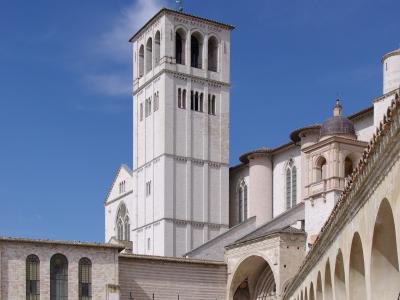
Basilica of San Francesco
Medieval church with 14th-century frescoes
Architectural Monuments · Cultural Tours
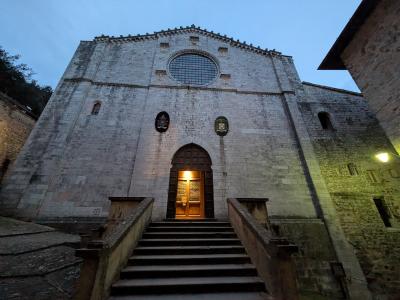
Cattedrale di San Giorgio
13th-century Gothic cathedral housing saints' relics
Architectural Monuments · Historic Churches
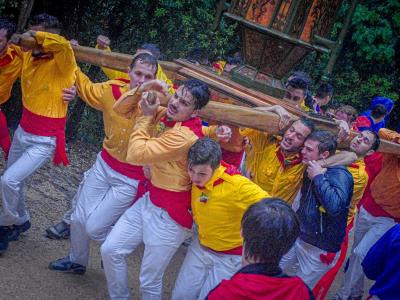
Festa dei Ceri
Ancient May 15 race carrying 280kg wooden ceri
Cultural Festivals · Historic Towns
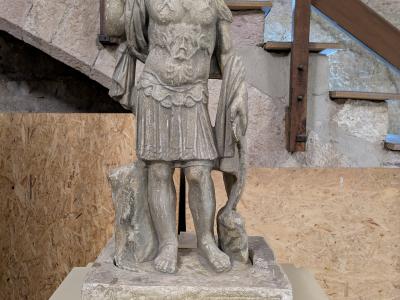
Museo Civico (Civic Museum)
Civic Museum in Gubbio's Palazzo dei Consoli
From €4 History & Heritage · Museums & Culture
Questions people ask
Quick Facts
Best Time to Visit
Visit between April and June or September and October for mild temperatures and fewer crowds.