







Perugia
Umbrian hill city with Etruscan walls, chocolate heritage, and jazz festival
Perugia’s history goes back to the Etruscan period, when it was known as Perusia, one of the twelve major cities of the Etruscan League. The city’s massive Etruscan walls, some of the best preserved in Italy, are a reminder of its ancient power. After falling to Rome in 295 BC Perugia stayed an important Roman colony. During the Middle Ages it became a powerful commune, often in conflict with neighbouring cities such as Florence and Siena. The city was ruled by various families, including the Baglioni, before coming under the control of the Papal States in the 16th century, when Pope Paul III built a fortress over the Baglioni houses. This period saw the construction of many of the city’s Renaissance palaces and churches. Today Perugia preserves its historic centre, with narrow winding streets, medieval towers, and Renaissance architecture, reflecting its layered past as an Etruscan stronghold, medieval commune, and papal city.
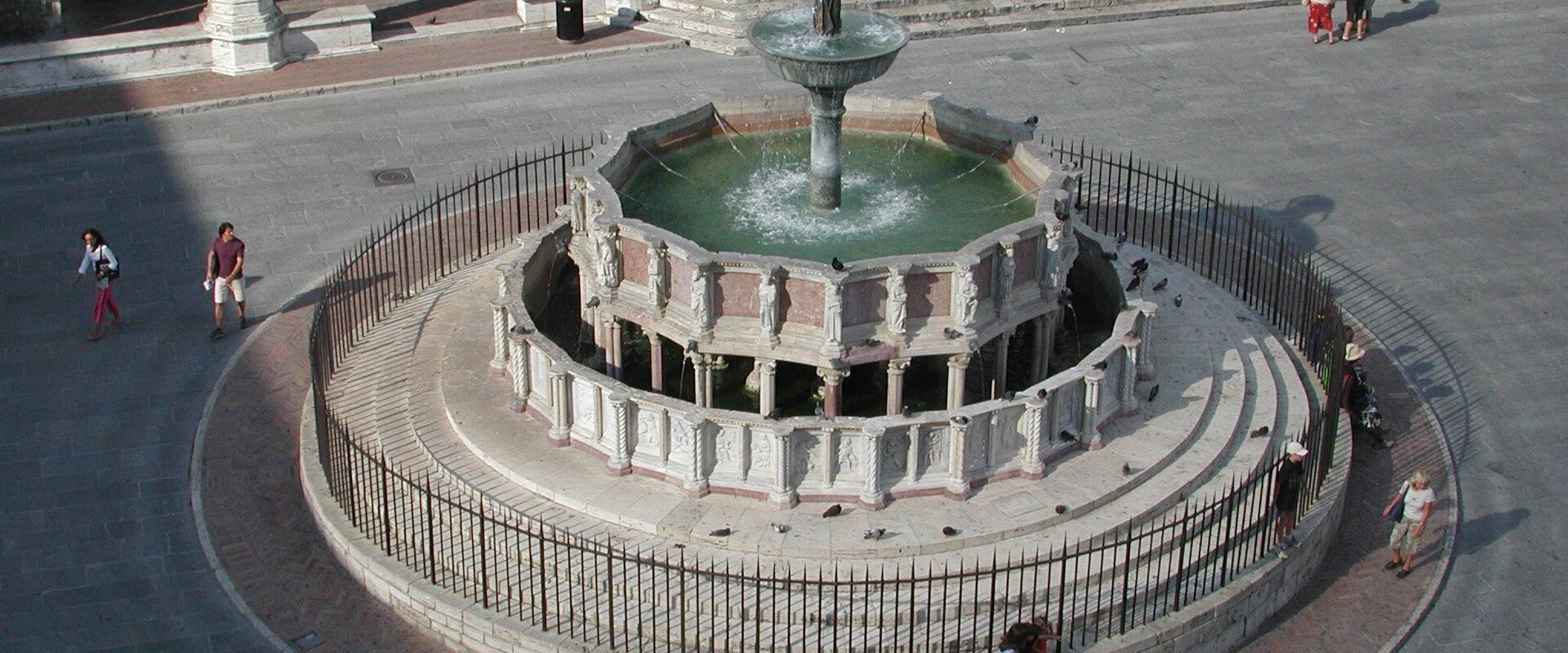
The main attractions are centred on the historic centre and the cultural institutions. The Piazza IV Novembre is the civic centre of the city, with the Palazzo dei Priori nearby, which houses the National Gallery of Umbria, with works by Perugino and Pinturicchio, and from the circle of Raphael, who trained in the region. The Fontana Maggiore, a 13th-century fountain, is a masterpiece of medieval sculpture and the symbol of the city. The Etruscan Arch and the Etruscan Well are significant ancient landmarks. The University of Perugia, founded in 1308, is one of the oldest in the world, contributing to the city’s student atmosphere. The Cathedral of San Lorenzo has an unfinished facade and an interior with fine decoration. The Rocca Paolina, a fortress built by the Pope to control the city, has been turned into an underground walkway through the ruins of the medieval streets, with exhibition spaces and escalators to the upper town. The Medieval Streets of the Historic Center repay slow walking, with archways, steps, and tiny courtyards.
The chocolate story is part of the city’s identity. The Perugina Chocolate Factory Tour, in the Casa del Cioccolato, shows how the Baci are made, and the Perugia Chocolate Festival (Eurochocolate), held since 1993, takes over the city for nine days each October. The Cascata delle Marmore, a tall waterfall near Terni, is a day trip from the city.
Activities in Perugia include exploring the historic centre, visiting museums, and enjoying the local cuisine. The city is known for traditional Umbrian dishes, including truffle-based dishes, pici pasta, and wines such as Orvieto. Visitors can take guided tours to learn about the history of the Etruscans and the Renaissance. The surrounding countryside offers hiking, cycling, and visits to nearby hill towns such as Assisi and Spoleto. Perugia hosts festivals and events through the year, most notably the Umbria Jazz Festival in July and the International Journalism Festival in spring. Shopping includes local ceramics, textiles, and food products. For those interested in history, guided tours explore the Etruscan and medieval heritage of the city.
Getting to Perugia is convenient by rail and road. The city is well connected by train from Rome and Florence, with services to Perugia station, sometimes with a change. By car, the A1 motorway provides access from Rome and Florence. The nearest airport is Perugia San Francesco d'Assisi Airport, about 15 kilometres away.
The best time to visit Perugia is from April to June or September to October, when the weather is mild and pleasant, ideal for outdoor attractions and historic sites. July is peak season because of the Jazz Festival, with higher temperatures and larger crowds. Winter is cool but offers a quieter experience, with the city’s museums and cafes providing cultural entertainment. Despite the seasonal variations, Perugia’s rich history and cultural offerings make it a rewarding destination year-round.
Best time to visit
Visit between April and June or September and October for mild temperatures and fewer crowds.
What to see in Perugia
Our picks first.
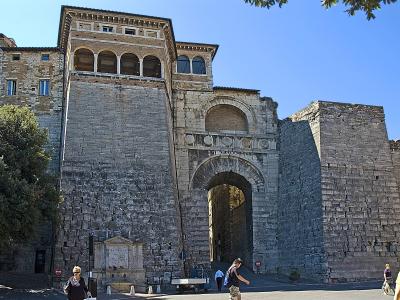
Etruscan Arch (Arco Etrusco)
Etruscan city gate with the Roman inscription Augusta Perusia
Free Architectural Monuments · Historic Gates
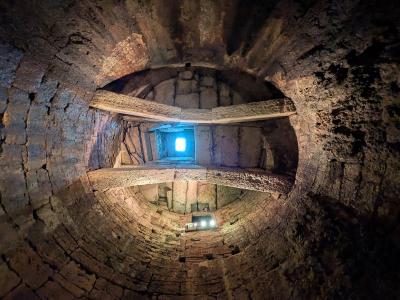
Etruscan Well (Pozzo Etrusco)
Etruscan well beneath Perugia's old town
Architectural Monuments · Historic Districts
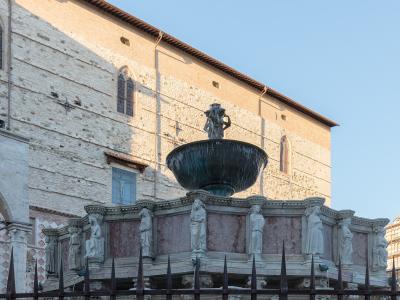
Fontana Maggiore
Medieval marble fountain with bronze basin in Perugia
Architectural Monuments · Historic Fountains
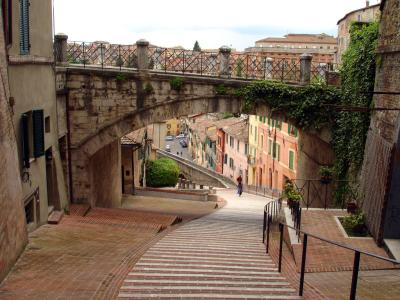
Medieval Streets of the Historic Center
Medieval streets and arches in Perugia's historic center
Historic Districts · Historic Towns
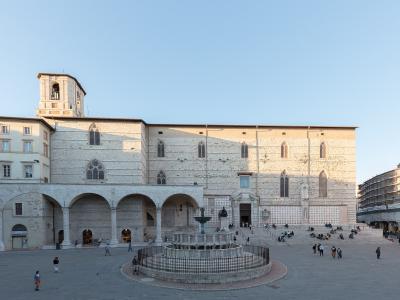
Piazza IV Novembre
Historic forum site with Fontana Maggiore
Free Architectural Monuments · Historic Districts
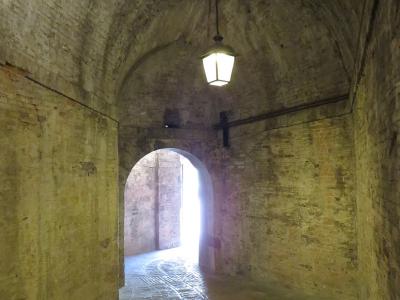
Rocca Paolina
16th-century papal fortress with subterranean Etruscan st...
Castles & Fortresses · Cultural Tours
Perugia by interest
The same sights, grouped by what you came for.
Did you know?
Checked facts about Perugia, each with its source.
-
Food & Drink
Baci Chocolates Were Launched in Perugia in 1922
Luisa Spagnoli launched the hazelnut chocolate in 1922 at Perugina's first shop on Corso Vannucci, calling it the "Cazzotto" (punch); Giovanni Buitoni suggested the name Bacio (kiss) instead.
Source: Gambero Rosso International
Planning a visit to Perugia
Itineraries that include Perugia
Good to know
- Currency
- EUR
- Language
- Italian
Quick Facts
Book your stay
Questions people ask
More places in Umbria and Marche
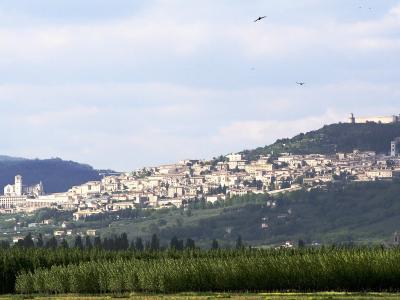
Umbria and Marche
Assisi
UNESCO hilltop town in Umbria, birthplace of St. Francis
Umbria and Marche
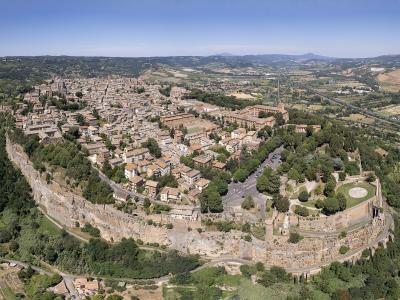
Orvieto
Volcanic tuff hill town in Umbria with Gothic cathedral and Etruscan wells
Umbria and Marche
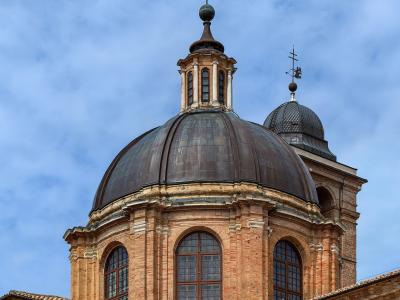
Urbino
UNESCO-listed Renaissance gem in Marche with Ducal Palace
Umbria and Marche
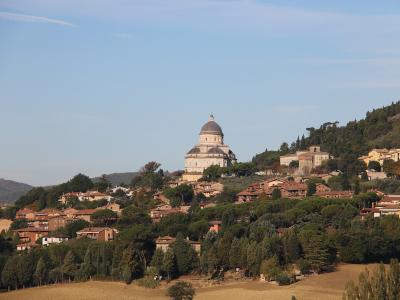
Todi
Hilltop Umbrian town with panoramic views, medieval palace, and Etruscan roots