







- Where
- Gubbio, Umbria and Marche
- Directions
- Directions
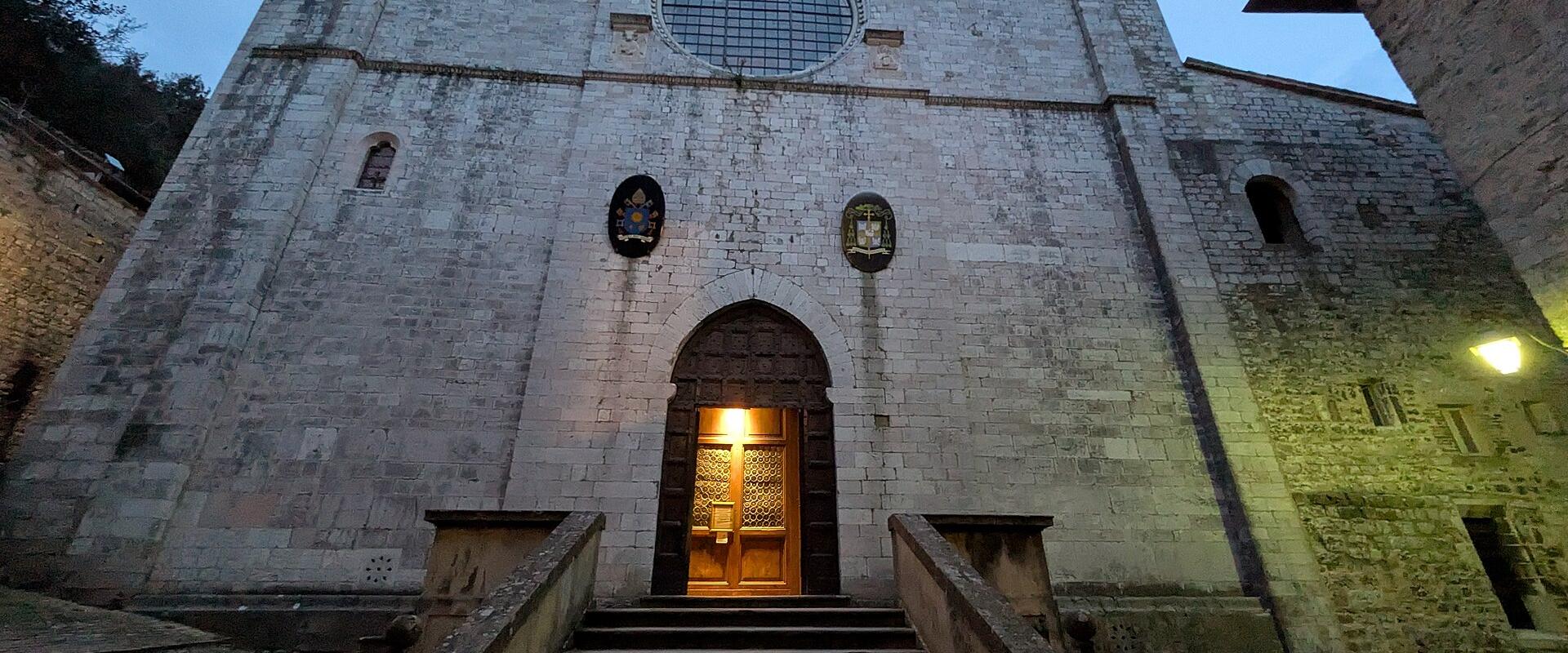
Travelers visiting Gubbio should note that the cathedral listed here as the Cattedrale di San Giorgio is in fact the Cattedrale dei Santi Mariano e Giacomo Martiri, the Cathedral of Saints Mariano and Giacomo. It stands on the slope of Monte Ingino, in the upper part of the old town of Gubbio, in Umbria, close to the Palazzo dei Consoli and the Palazzo dei Duchi. Gubbio is one of the best-preserved medieval towns in Italy, a stone town climbing a steep hillside, and the cathedral belongs to its high street, the Via Ducale.
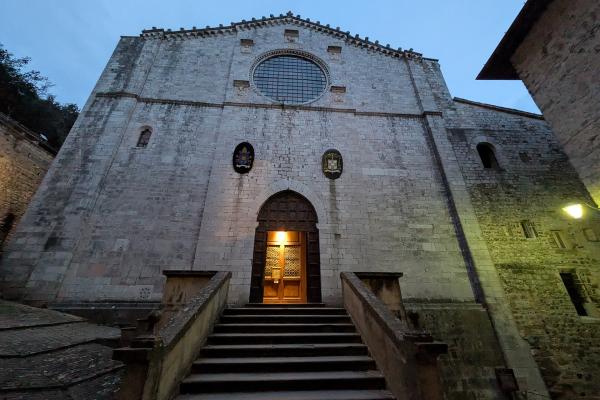
The cathedral was built in the thirteenth and fourteenth centuries over an earlier Romanesque church, and it is a modest, severe Gothic building, in keeping with the austere style of the Umbrian hill towns. The facade is distinguished by a pointed portal and a round window adorned with the symbols of the four Evangelists, shown as a man, a lion, an ox and an eagle in carved stone, the Evangelist symbols. The portal and the carved reliefs are among the best preserved medieval work in the town. The interior has a single wide nave, laid out in a Latin cross, with arches that carry the roof.
Inside, the cathedral holds a rich collection of artistic works. There are sixteenth-century paintings by local artists, among them Nucci, who worked in the Gubbio tradition, and a Baroque chapel with frescoes by Allegrini, a painter from the town. The walls also hold more modern painting. The major altar holds a late antique sarcophagus containing the relics of the martyrs Mariano and Giacomo, whose names the cathedral bears. Stained glass and sculpture add to the atmosphere.
The cathedral is a quiet place, and its position gives a good view across the town. Gubbio's best-known festival, the Festa dei Ceri on 15 May, is closely linked with the patron saint, Sant'Ubaldo, whose body is kept in the basilica on top of the hill. In that race, teams carry three enormous wooden pillars through the streets. The Basilica of San Francesco and the Civic Museum, which holds the famous Iguvine Tables, ancient bronze tablets from the Umbrian past, are all close to each other, and the cathedral is a natural stop on a walk along the Via Ducale.
Check the opening hours locally, and dress modestly. Services take place regularly, and visitors are asked to keep quiet. A visit takes about twenty to thirty minutes. Allow more time for the steep climb through Gubbio's lanes, and take the funicular to Monte Ingino if you wish to see the basilica of the patron saint and the view across Gubbio’s red roofs. Autumn and spring are the best times to visit.
Categories
More photos coming soon
Nearby Attractions
Other places to visit in Gubbio
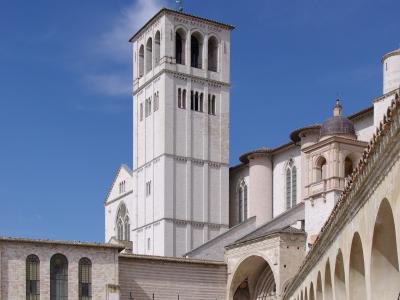
Basilica of San Francesco
Medieval church with 14th-century frescoes
Architectural Monuments · Cultural Tours
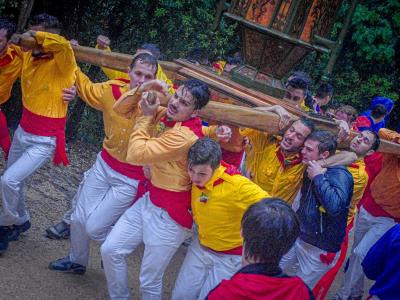
Festa dei Ceri
Ancient May 15 race carrying 280kg wooden ceri
Cultural Festivals · Historic Towns
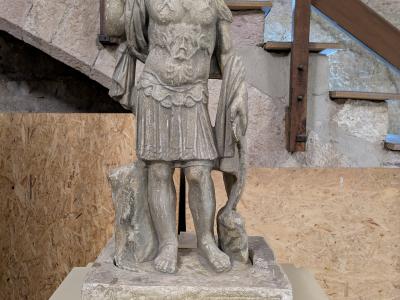
Museo Civico (Civic Museum)
Civic Museum in Gubbio's Palazzo dei Consoli
From €4 History & Heritage · Museums & Culture
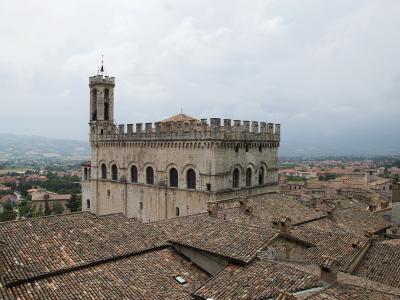
Palazzo dei Consoli
14th-century civic palace on Piazza Grande
From €5 Art Museums · Historic Palaces
Questions people ask
Quick Facts
Best Time to Visit
Visit between April and June or September and October for mild temperatures and fewer crowds.