
Urbino
UNESCO-listed Renaissance gem in Marche with Ducal Palace
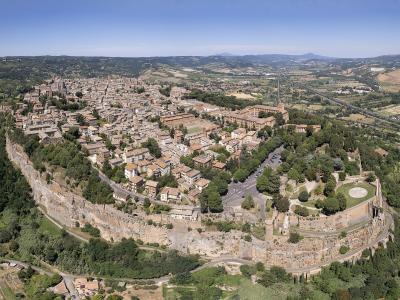
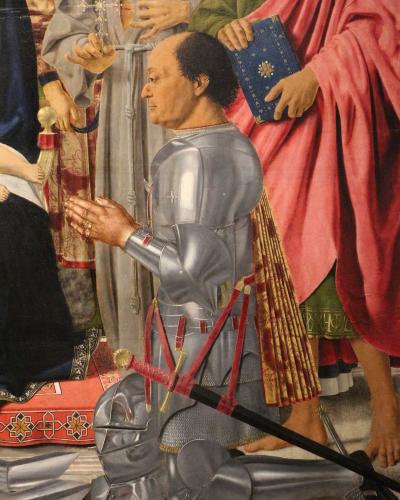
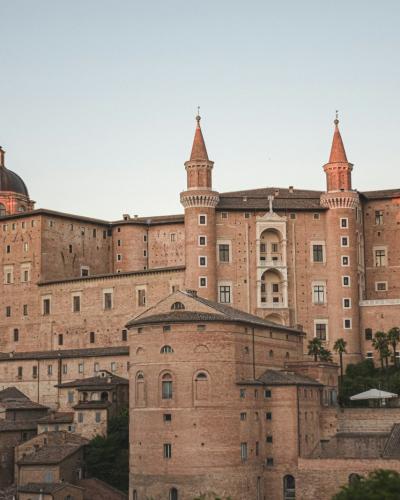
Urbino’s history is deeply intertwined with the Italian Renaissance. Originally an Etruscan settlement, it grew in importance during the Middle Ages as a strategic fortress. In the 15th century, under the rule of Federico da Montefeltro, Duke of Urbino, the city became one of the most important cultural centers in Europe. Federico transformed Urbino into a beacon of humanism, attracting artists, scholars, and architects such as Piero della Francesca, Luciano Laurana, and Francesco di Giorgio Martini. This period saw the construction of the Palazzo Ducale, which remains the city’s most iconic landmark. The ducal court was known for its library, art collection, and patronage of the arts, fostering an environment of intellectual freedom and creativity. After the Montefeltro line ended, Urbino became part of the Papal States, but it retained its cultural significance. The city’s historic center, with its narrow winding streets and Renaissance palaces, has been remarkably preserved, offering a glimpse into the life of a Renaissance court.
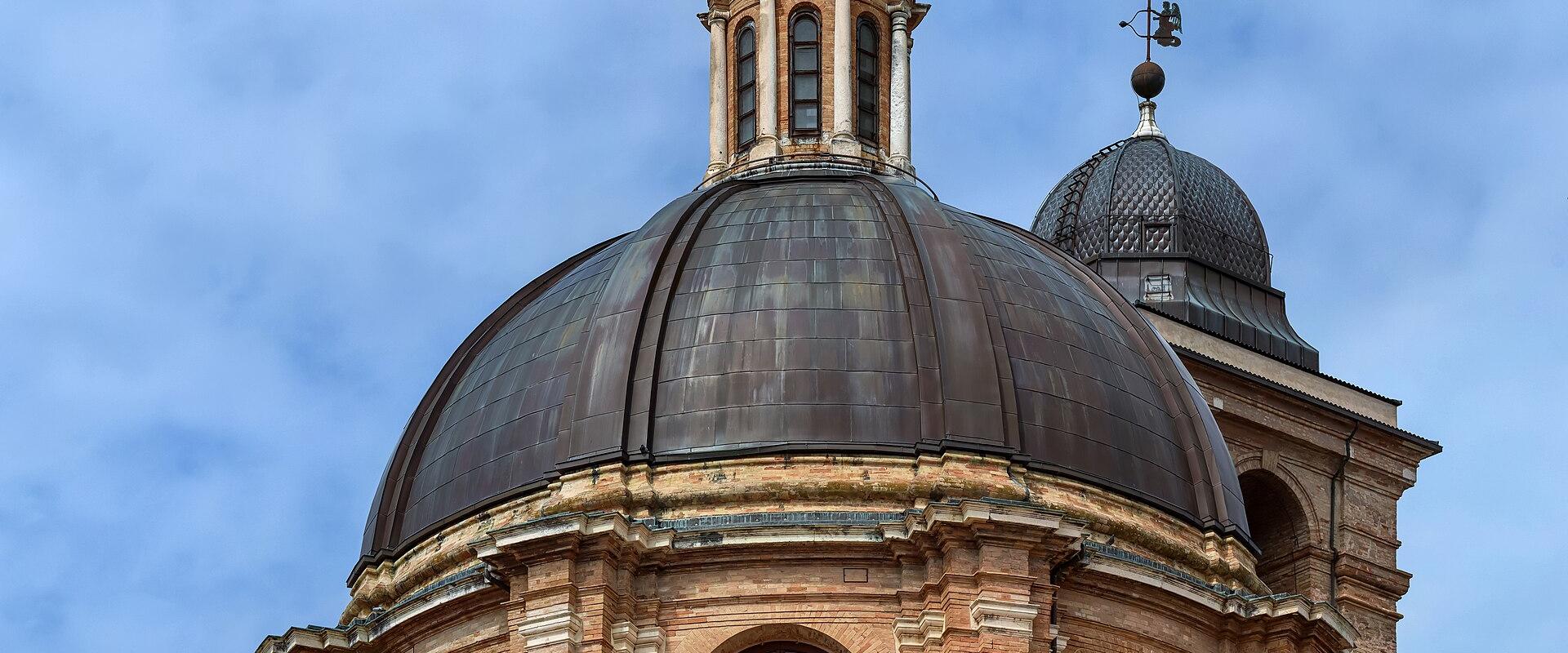
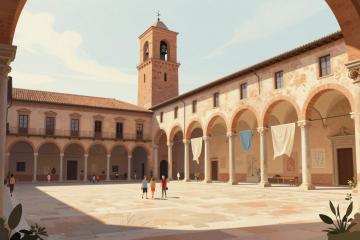
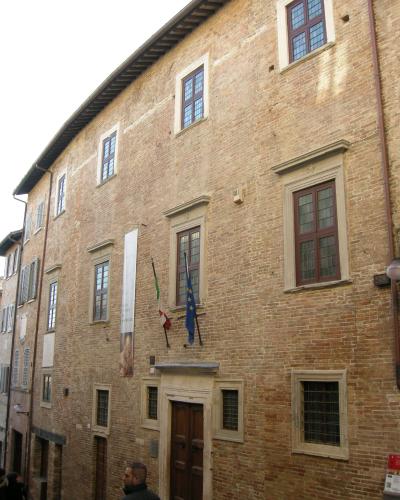
The main attractions in Urbino are centered around the Palazzo Ducale and the historic center. The Palazzo Ducale is a architectural marvel, featuring a harmonious blend of Gothic and Renaissance styles. Its interior houses the Studiolo, a small room decorated with intricate inlaid woodwork (intarsia) depicting scenes of war, peace, and daily life, considered one of the finest examples of Renaissance craftsmanship. The palace also contains the Galleria Nazionale delle Marche, which features masterpieces by Piero della Francesca, Raphael, and Titian. Raphael, the famous Renaissance painter, was born in Urbino, and his birthplace is now a museum. The Cathedral of Urbino, with its Romanesque and Gothic elements, is another significant religious site. The historic center is a maze of narrow streets, lined with medieval houses, towers, and piazzas, inviting exploration on foot. The city walls and gates, such as Porta San Francesco, reflect its defensive past.
Activities in Urbino include exploring the Palazzo Ducale, visiting museums, and enjoying the local cuisine. The town is known for its traditional Marche dishes, including pasta alla norcina, wild boar ragù, and local wines like Verdicchio. Visitors can take guided tours to learn about the history of the Renaissance and the Montefeltro dynasty. The surrounding countryside offers opportunities for hiking and cycling, with scenic views of the Apennine Mountains. Urbino also hosts various festivals and events throughout the year, including the Urbino Jazz Festival. Shopping includes local ceramics, textiles, and food products. For those interested in art history, guided tours are available to explore the city’s Renaissance heritage and the works of Raphael.
Getting to Urbino is convenient via road. The town is accessible by car from Pesaro, approximately 30 kilometers away, via the SS78 road. Urbino does not have a railway station; the nearest stations are in Pesaro and Ancona, with bus connections to Urbino. For those traveling by air, the nearest airports are in Pesaro and Ancona. The best time to visit Urbino is from April to June or September to October, when the weather is mild and pleasant, ideal for exploring the outdoor attractions and historic sites. July and August are peak tourist months, with higher temperatures and larger crowds. Winter is cold but offers a quieter experience, with the city’s museums and cafes providing cultural entertainment. Despite the seasonal variations, Urbino’s rich history and artistic legacy make it a rewarding destination year-round.
Best Time to Visit
Visit between April and June or September and October for mild temperatures and fewer crowds.
Did you know?
Interesting, verified facts about Urbino
Urbino Has Another Verifiable Detail
HistoryThe town is renowned for its well-preserved historic center, dominated by the Palazzo Ducale, a masterpiece of Renaissance design.
Source: Urbino - WikipediaUrbino Has Another Verifiable Detail
Notable PersonUrbino offers a distinct atmosphere of intellectual and artistic heritage, having been the center of a brilliant court under Federico da Montefeltro in the 15th century.
Source: Federico da Montefeltro - WikipediaUrbino Has UNESCO-Linked Heritage
RecordIt stands as a premier example of Renaissance urban planning and architecture, recognized as a UNESCO World Heritage Site.
Source: Renaissance in Urbino - WikipediaPlan Your Visit to Urbino
Essential travel tips and information for your trip to Urbino.
Suggested Itineraries
One Day in Urbino
1 dayPerfect for a quick visit. See the main highlights and get a taste of local culture.
Extended Urbino Experience
2-3 daysComprehensive exploration including nearby attractions and cultural experiences.
Travel Tips
Currency
EUR • Cards widely accepted
Language
Italian • English in tourist areas
WiFi
Free WiFi in cafes and hotels
Explore Urbino by Interest
Discover attractions and experiences in Urbino organized by your interests and travel preferences.
All attractions in Urbino
Sorted by our recommendation score
Quick Facts
Book your stay
Frequently Asked Questions
More destinations in Umbria and Marche
Explore other amazing places in the Umbria and Marche region