







Assisi
UNESCO hilltop town in Umbria, birthplace of St. Francis
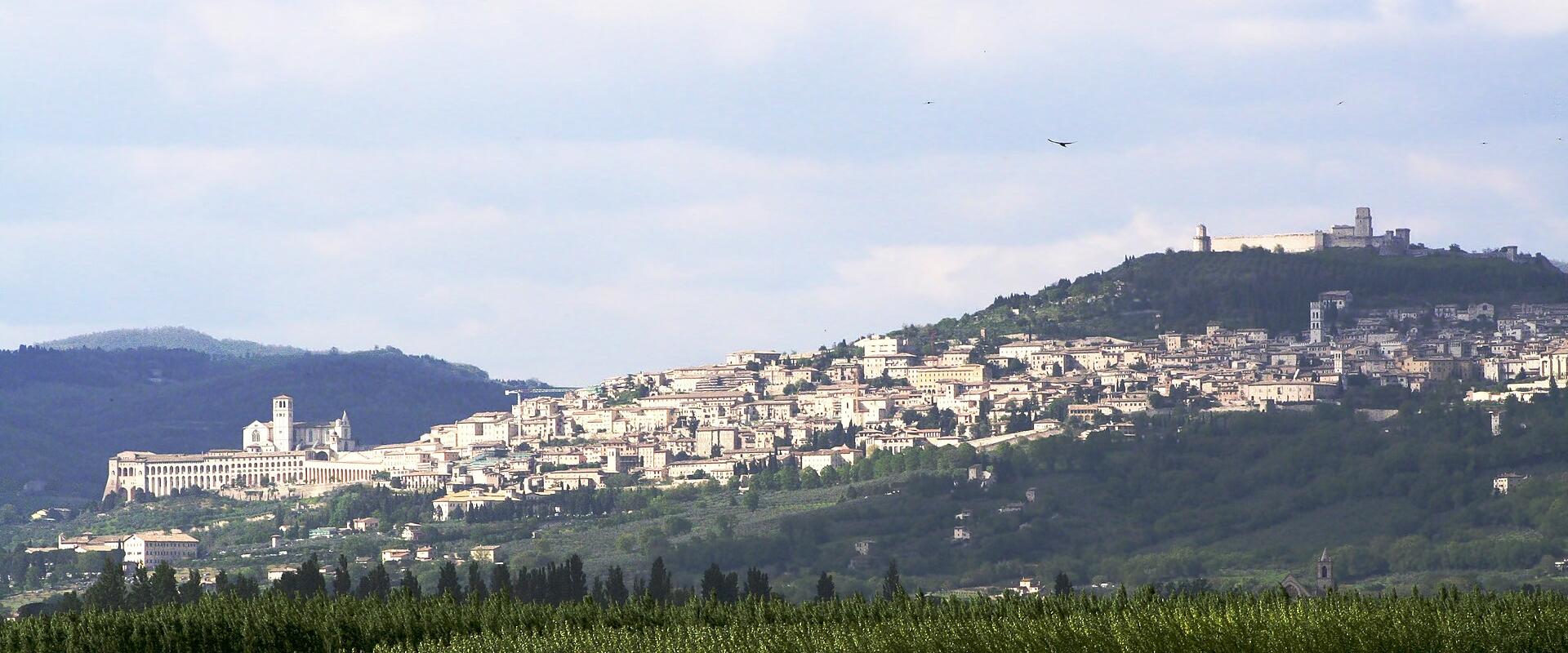
Assisi, in the Province of Perugia in the Umbria region, is a town of great historical and religious significance. Built on the slopes of Monte Subasio, it overlooks the fertile valley below. It is the birthplace of Saint Francis of Assisi, the patron saint of Italy and animals, and of Saint Clare, founder of the Order of Poor Ladies. These two figures have shaped the town's identity for centuries and made it a global centre of Franciscan spirituality. The historic urban fabric of Assisi, including the Basilica of Saint Francis and other Franciscan sites, was inscribed as a UNESCO World Heritage Site in 2000.
The Basilica di San Francesco is the town's most important attraction and is divided into an Upper and a Lower Church. The Upper Church holds 13th-century frescoes by Giotto, Cimabue, and others depicting the life of Saint Francis, while the Lower Church, darker and more intimate, has the crypt where the saint's remains are kept. Visitors are expected to dress modestly and keep silent inside. Another key site is the Basilica of Santa Chiara, which holds the relics of Saint Clare, and just outside the walls the old monastery of San Damiano keeps a quiet, simple atmosphere associated with the early Franciscans.
The Eremo delle Carceri is a hermitage in the woods above the town where Saint Francis is said to have prayed and received the stigmata, and the path from the gate leads into a stretch of shaded forest. The Piazza del Comune is the civic centre of Assisi, surrounded by medieval buildings such as the Temple of Minerva, a Roman temple converted into a church, and the Palazzo dei Priori, which houses the Civic Museum. The San Rufino Cathedral, at the top of Via San Rufino, is a fine example of Romanesque architecture. Higher still, the Rocca Maggiore is a medieval fortress on the highest point of the town and offers wide views over the surrounding countryside, while the Giardino del Cardinale is a small public garden with a calm outlook.
Activities in Assisi include exploring the narrow streets, visiting churches and museums, and hiking in the woods of Monte Subasio. The town is also a starting point for pilgrims walking the Via di Francesco, a long-distance route connecting Franciscan sites, and the Via di San Francesco itself is the main pedestrian street linking the lower town with the upper town. The town hosts the World Day of Prayer for Peace each year on October 27th, and the Assisi Jazz Festival adds a musical note to the cultural calendar. Local food is simple and Umbrian, with olive oil, legumes, and handmade pasta common on menus.
Getting to Assisi is possible by car or train. The nearest main station is in Foligno, from where buses connect to Assisi, and a local station serves the lower town below the hill. Driving via the A1 motorway and exiting at Foligno or Spoleto is also common. Once in town the historic centre is largely pedestrian, so you will need to park in designated lots outside the walls and walk or take a short shuttle uphill, and the streets are steep.
The best time to visit Assisi is from April to June and September to October, when the weather is mild and suited to walking and outdoor exploration. Summer can be hot and crowded with pilgrims and tourists, while winter is cooler and quieter, though some services may have reduced hours. Spring brings blooming landscapes, and autumn offers harvest festivals and clear skies.
Best time to visit
Visit in April to June or September to October for mild weather and fewer crowds.
What to see in Assisi
Our picks first.
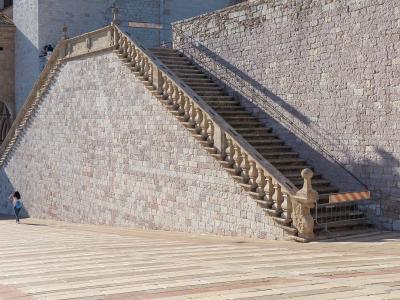
Basilica of Saint Francis of Assisi
UNESCO site housing Giotto's frescoes
Art Museums · Cultural Tours
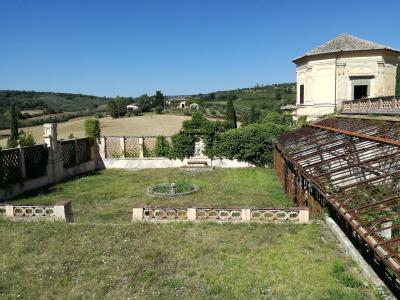
Giardino del Cardinale
13th-century garden with medieval frescoes
Botanical Gardens · Scenic Viewpoints
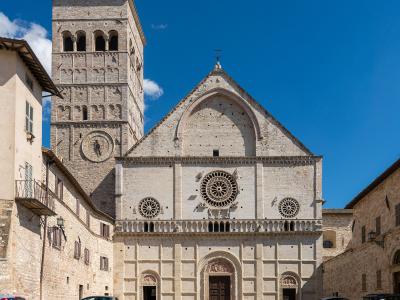
San Rufino Cathedral
13th-century Romanesque cathedral with St. Francis font
Architectural Monuments · Historic Churches
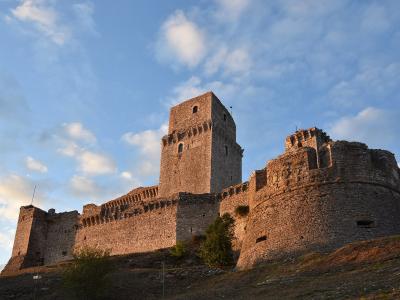
Rocca Maggiore
14th-century fortress with panoramic Umbrian views
Castles & Fortresses · Cultural Tours
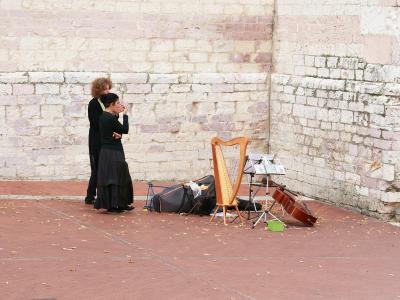
Assisi Jazz Festival
Jazz festival in UNESCO-listed Assisi
Museums & Culture
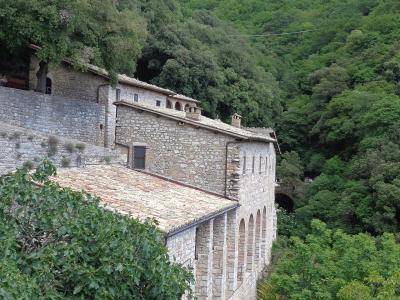
Eremo delle Carceri
Franciscan hermitage with caves and frescoes
Free Forest Parks · Hiking Trails
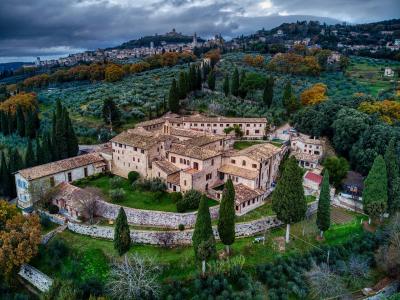
San Damiano
12th-century monastery home to St. Clare
History & Heritage · Museums & Culture
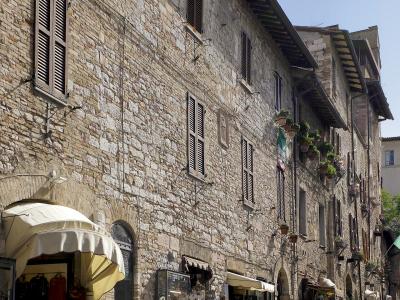
Via di San Francesco
Medieval street connecting Assisi's basilicas
Cultural Tours · Historic Districts
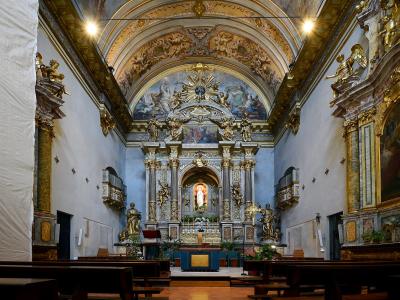
Temple of Minerva
1st-century Roman temple with Corinthian columns
History & Heritage · Museums & Culture
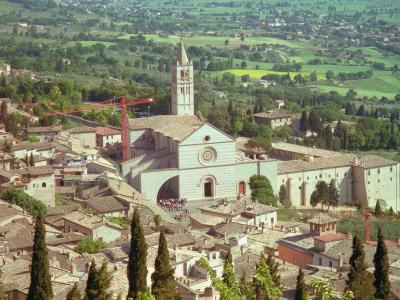
Basilica of Santa Chiara
Gothic basilica housing St. Clare's tomb
Architectural Monuments · Historic Churches
Assisi by interest
The same sights, grouped by what you came for.
Planning a visit to Assisi
Itineraries that include Assisi
Good to know
- Currency
- EUR
- Language
- Italian
Quick Facts
Book your stay
Questions people ask
More places in Umbria and Marche
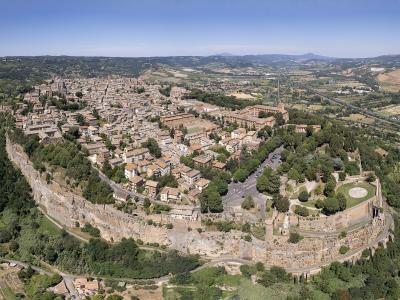
Umbria and Marche
Orvieto
Volcanic tuff hill town in Umbria with Gothic cathedral and Etruscan wells
Umbria and Marche
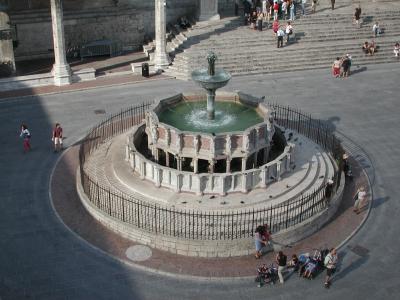
Perugia
Umbrian hill city with Etruscan walls, chocolate heritage, and jazz festival
Umbria and Marche
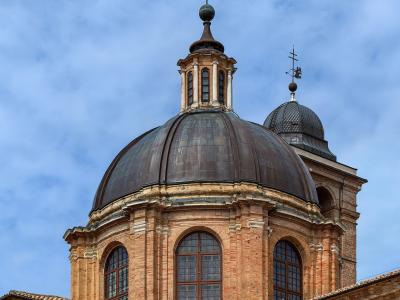
Urbino
UNESCO-listed Renaissance gem in Marche with Ducal Palace
Umbria and Marche
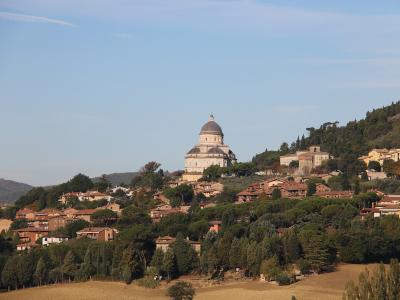
Todi
Hilltop Umbrian town with panoramic views, medieval palace, and Etruscan roots