
Orvieto
Volcanic tuff hill town in Umbria with Gothic cathedral and Etruscan wells
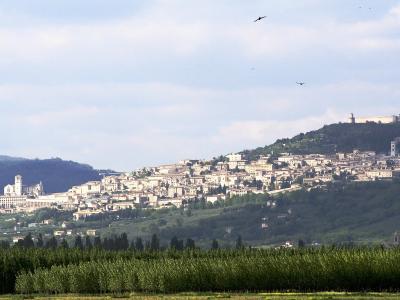
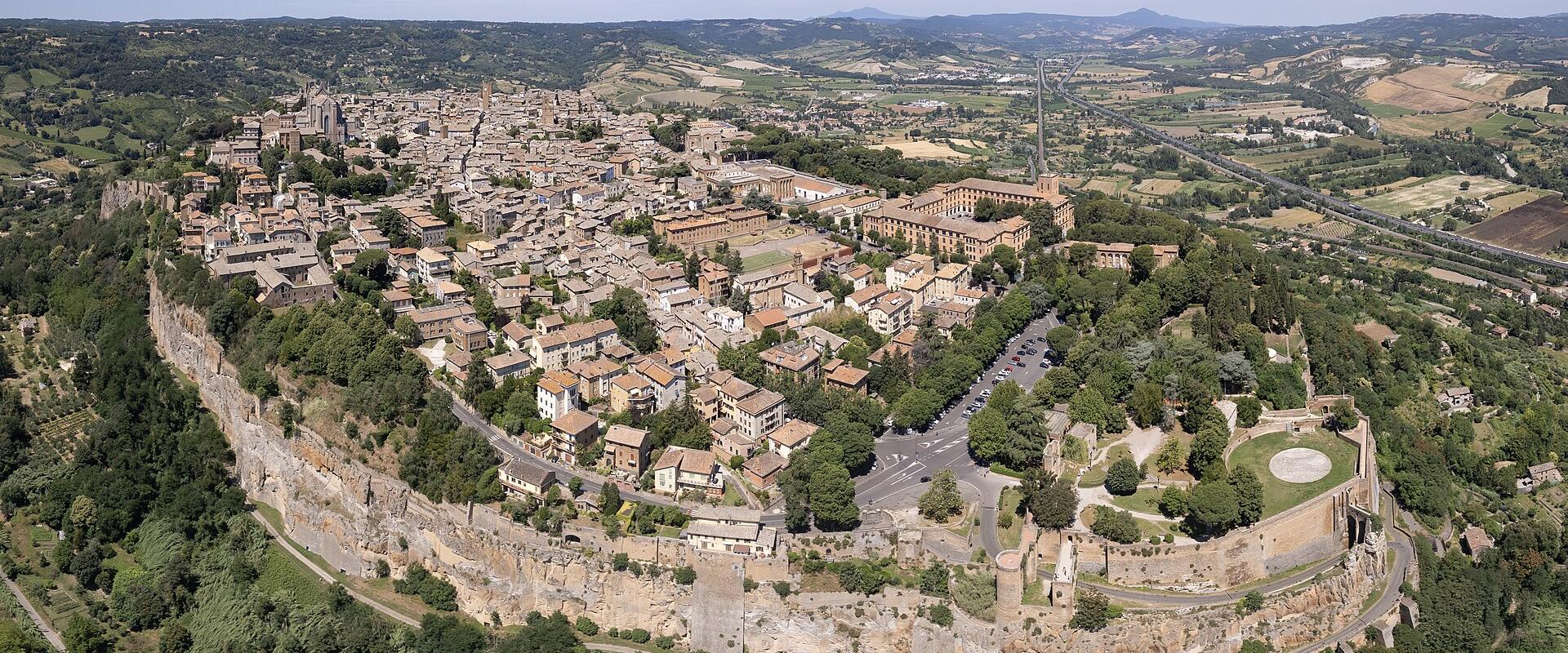
Orvieto’s history is deeply rooted in its Etruscan origins, where it was known as Velzna, a major center of the Etruscan civilization. The city fell to the Romans in 265 BC and became a significant Roman colony. During the Middle Ages, Orvieto flourished as a powerful commune, often in conflict with neighboring cities like Perugia and Rome. The 14th and 15th centuries marked a golden age for the city, characterized by the construction of its iconic Duomo and the establishment of a thriving banking and artistic community. The city’s strategic location on a tuff cliff provided natural defenses, leading to the development of an extensive underground city with wells, cisterns, and passages that allowed the population to withstand sieges. Today, Orvieto preserves its historic center, with narrow winding streets, medieval palaces, and the towering Duomo, reflecting its layered past as an Etruscan, Roman, and medieval stronghold.
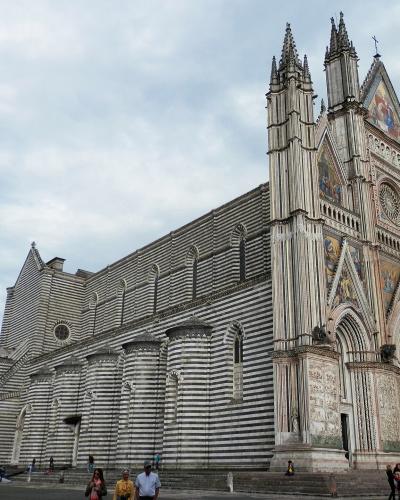
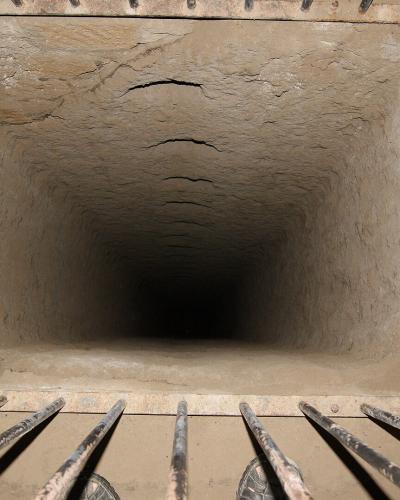
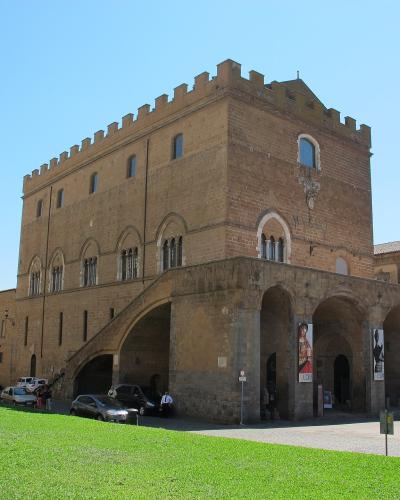
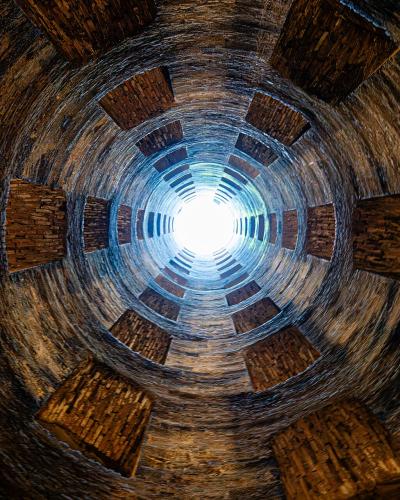
The main attractions in Orvieto are centered around its Duomo and underground city. The Duomo di Orvieto, begun in 1290, is a stunning example of Gothic architecture, featuring a facade adorned with gold mosaics and intricate sculptures. The interior houses frescoes by Luca Signorelli and other Renaissance masters. The Pozzo di San Patrizio, or St. Patrick’s Well, is a marvel of Renaissance engineering, built by Antonio da Sangallo the Younger. This double-helix well allows mules to descend and ascend simultaneously without turning, providing water to the city during sieges. The underground city, or Città Sotterranea, offers tours through ancient Etruscan wells, Roman cisterns, and medieval passages. The Archaeological Museum houses artifacts from the Etruscan and Roman periods. The historic center features the Piazza del Duomo, the Palazzo dei Papi, and numerous churches and palaces.
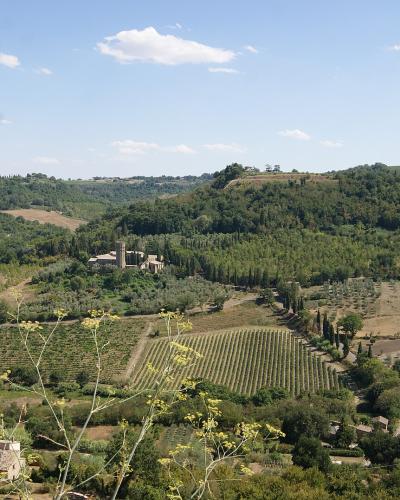
Activities in Orvieto include exploring the Duomo, visiting the underground city, and enjoying the local cuisine. The town is known for its traditional Umbrian dishes, including wild boar ragù, pici pasta, and local wines like Orvieto Classico. Visitors can take guided tours to learn about the city’s history and the engineering of the wells. The surrounding countryside offers opportunities for hiking and cycling, with scenic views of the Umbrian hills. Orvieto also hosts various festivals and events throughout the year, including the Umbria Jazz Festival satellite events and the Feast of the Madonna di San Brizio. Shopping includes local ceramics, textiles, and food products. For those interested in history, guided tours are available to explore the Etruscan and medieval heritage of the city.
Getting to Orvieto is convenient via rail and road. The city is well-connected by train from Rome and Florence, with frequent services to Orvieto station. For those traveling by car, the A1 motorway provides easy access from Rome and Florence. The nearest airport is Rome Fiumicino, located about 100 kilometers away. The best time to visit Orvieto is from April to June or September to October, when the weather is mild and pleasant, ideal for exploring the outdoor attractions and historic sites. July and August are peak tourist months, with higher temperatures and larger crowds. Winter is cool but offers a quieter experience, with the city’s museums and cafes providing cultural entertainment. Despite the seasonal variations, Orvieto’s rich history and architectural beauty make it a rewarding destination year-round.
Best Time to Visit
Visit between April and June or September and October for mild temperatures and fewer crowds.
Did you know?
Interesting, verified facts about Orvieto
Orvieto Has a Distinct Local Story
HistoryOrvieto is a historic city in the Umbria region of central Italy, perched dramatically on a flat summit of volcanic tuff.
Source: Orvieto - WikipediaOrvieto Has a Wine Tradition
Notable PersonOrvieto provides visitors with a unique blend of archaeological significance, artistic heritage, and culinary traditions, particularly its white wines.
Source: Orvieto DOC - WikipediaPlan Your Visit to Orvieto
Essential travel tips and information for your trip to Orvieto.
Suggested Itineraries
One Day in Orvieto
1 dayPerfect for a quick visit. See the main highlights and get a taste of local culture.
Extended Orvieto Experience
2-3 daysComprehensive exploration including nearby attractions and cultural experiences.
Travel Tips
Currency
EUR • Cards widely accepted
Language
Italian • English in tourist areas
WiFi
Free WiFi in cafes and hotels
Explore Orvieto by Interest
Discover attractions and experiences in Orvieto organized by your interests and travel preferences.


All attractions in Orvieto
Sorted by our recommendation score
Quick Facts
Book your stay
Frequently Asked Questions
More destinations in Umbria and Marche
Explore other amazing places in the Umbria and Marche region