







- Admission
- €10 full, €5-7 reduced, free for children under 5
- Where
- Gubbio, Umbria and Marche
- Directions
- Directions
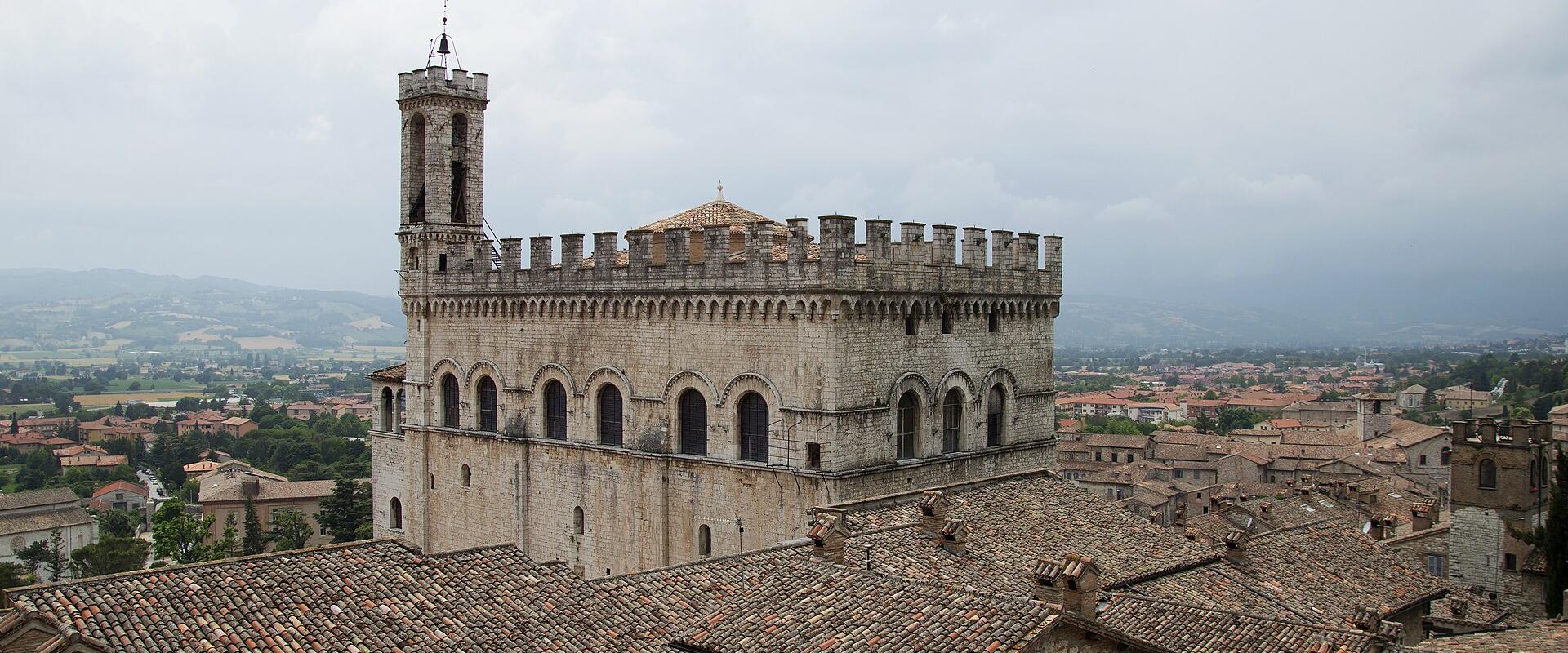
The Palazzo dei Consoli is the great medieval civic palace of Gubbio, in Umbria, and one of the most impressive buildings of its kind in Italy. It was built in the fourteenth century, between about 1332 and 1349, to house the municipal institutions of the city, and it was designed by local architects, with the names of Angelo da Orvieto and Gattapone, the engineer who also worked on the ducal palace, often mentioned. It stands at the edge of Piazza Grande, a huge terrace on a steep hillside, supported by a series of vaults built to level the ground, and the palace and the square together are a daring work of civic engineering.
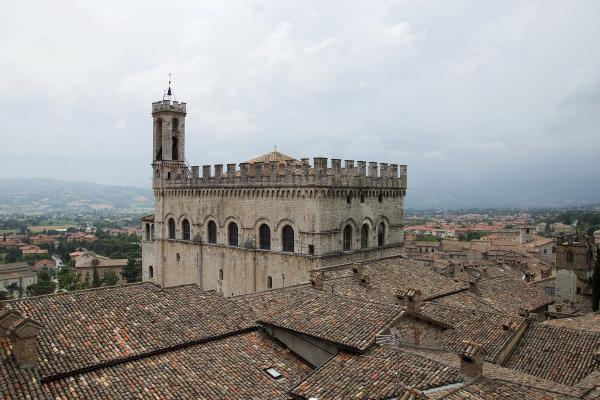
The building dominates Piazza Grande. A tall, slender tower rises above its stone facade, and the front is crowned with battlements and a row of Gothic windows, with an open staircase leading up to the main portal. It is an imposing sight, and the building overlooks the entire historic centre of Gubbio, a town of grey stone houses on the slope of Monte Ingino. The palace symbolises the power of the medieval commune, and its great hall, a vast vaulted space, was used for councils and assemblies. The proportions and the use of massive stone make it a model of the civic Gothic style of central Italy.
The palace is the home of the Civic Museum, which offers a comprehensive look at Gubbio’s artistic and historical heritage. The most famous exhibit is the Iguvine Tables, seven bronze tablets of the third to first centuries BC, inscribed in the ancient Umbrian language, which record the rituals of a priestly college of Iguvium, as Gubbio was then called. They are the most important surviving text of the Umbrian language and a unique source for pre-Roman Italy. The museum also has an archaeological section, a picture gallery with works of the Gubbio school of painting, ceramics, coins and a collection of local craft, and the palace's rooms are worth seeing for themselves.
Opening hours vary by season, with a longer schedule in the warm months and a shorter one in winter, and the museum has closures on certain holidays and during some local festivals, particularly around the Festa dei Ceri in mid-May, when the town is closed to normal traffic. The ticket office closes before the museum, and schedules are subject to change, so check locally. Admission has a modest price, with reductions for certain categories, and a combined ticket may include other sites.
Close to the palace stand the Palazzo del Podestà, the Palazzo dei Priori and the Logge dei Tiratoi, the old wool-drying loggias, and the Basilica of San Francesco is lower down the hill. The Palazzo Ducale, a Renaissance residence of the Montefeltro dukes, is higher up. Gubbio's streets are steep, so wear comfortable shoes, and allow about an hour for the museum and more for the square. The best time to arrive is in the morning, when the light on the tower is good. Gubbio’s medieval character is strongest in the quiet of the evening.
Categories
More photos coming soon
Admission Fees
- Admission
- €10 full, €5-7 reduced, free for children under 5
Hours and prices change, especially out of season. Check with the venue before you go.
Nearby Attractions
Other places to visit in Gubbio
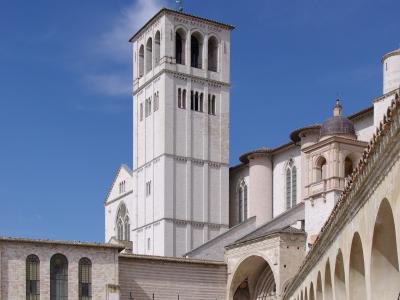
Basilica of San Francesco
Medieval church with 14th-century frescoes
Architectural Monuments · Cultural Tours
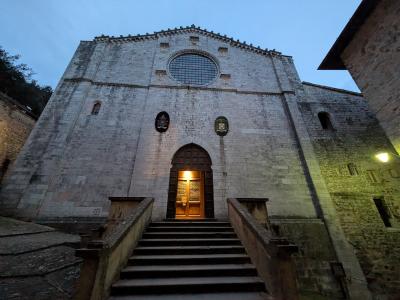
Cattedrale di San Giorgio
13th-century Gothic cathedral housing saints' relics
Architectural Monuments · Historic Churches
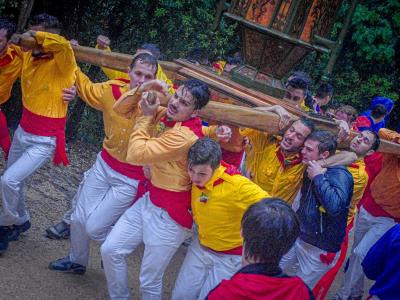
Festa dei Ceri
Ancient May 15 race carrying 280kg wooden ceri
Cultural Festivals · Historic Towns
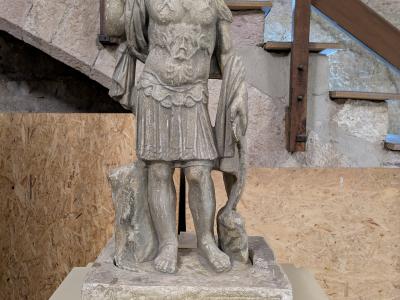
Museo Civico (Civic Museum)
Civic Museum in Gubbio's Palazzo dei Consoli
From €4 History & Heritage · Museums & Culture
Questions people ask
Quick Facts
€10 full, €5-7 reduced, free for children under 5
Best Time to Visit
Visit between April and June or September and October for mild temperatures and fewer crowds.