







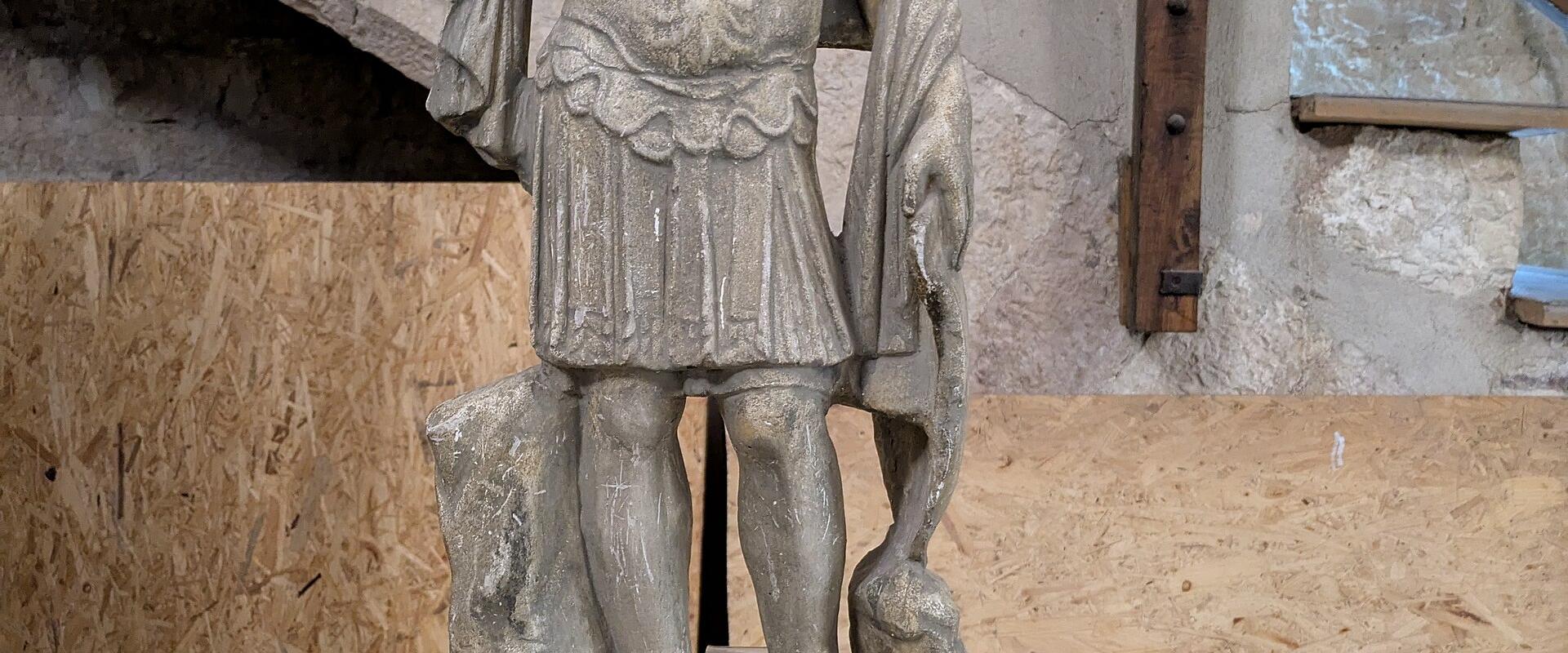
- Admission
- €10 full
- €7 reduced (19-25); €5 (6-18); €4 (Gubb
- Where
- Gubbio, Umbria and Marche
- Directions
- Directions
The Museo Civico in Gubbio is primarily housed within the Palazzo dei Consoli, a monumental Gothic palace that dominates the city’s Piazza Grande, high on the slope of Monte Ingino in northern Umbria. Gubbio is one of the best-preserved medieval towns in Italy, with stone houses climbing the hillside in terraces, and the Palazzo dei Consoli, with its tall facade, crenellated roofline and slim tower, is the greatest of its civic buildings. It was built in the 14th century, attributed to the local architects Gattapone and Angelo da Orvieto, as the seat of the city’s consuls, and it rises above a huge platform, built on massive arches over the steep hillside, to create the flat space of Piazza Grande, an extraordinary feat of medieval engineering.
The museum offers a comprehensive cultural itinerary, with a combined ticket granting access to the Palazzo dei Consoli, the Diocesan Museum, the Logge dei Tiratoi Exhibition Space and several historic churches including San Francesco, San Francesco della Pace and Vittorina. This extensive collection highlights Gubbio’s rich history, art and spirituality. The best-known treasure in the Museo Civico is the set of the Eugubine Tables, seven bronze tablets inscribed in the Umbrian language, with the Etruscan and Latin alphabets, dating from between the 3rd and 1st centuries BC. They record the rituals and regulations of a religious brotherhood, and they are the longest and most important text in the Umbrian language to survive, found by a farmer in 1444 and bought by the city, a unique source for the study of ancient Italic religion. Beyond the tables, the museum has an archaeological section, with finds from Roman Iguvium, a picture gallery with works of the Gubbio school and medieval and Renaissance art, as well as ceramics, since Gubbio was famous for lustreware in the 16th century.
Opening hours vary by season, with a break in the middle of the day on weekdays and continuous opening on weekends and holidays. The museum is closed on December 25th, January 1st in the morning, and for the days of the great festival in mid-May, and the ticket office closes some time before the museum closes. The festival, the Festa dei Ceri, held on May 15, is one of the oldest and most spectacular in Italy: teams of men carry three huge wooden structures topped with statues of saints at a run through the streets and up the hill to the basilica of Sant’Ubaldo, the patron saint, a tradition that is hundreds of years old and that defines the town’s identity.
Admission is charged at a modest standard rate, with reduced rates for young visitors, school groups, residents and others, and free entry for children, members of museum associations, tourist guides, disabled visitors and caregivers, journalists and teachers accompanying school groups. Exploring the Museo Civico offers insight into Gubbio’s medieval and Renaissance heritage. It is an essential stop to appreciate the region’s artistic legacy. The combination of historical depth and architectural grandeur makes it a memorable destination. Visitors are advised to allocate sufficient time to visit all included sites, and to climb from the palace to the Palazzo dei Duchi, the ducal palace, and to the Basilica of Sant’Ubaldo, reached by funicular. The Cathedral and the Basilica of San Francesco complete a visit to the town.
Categories
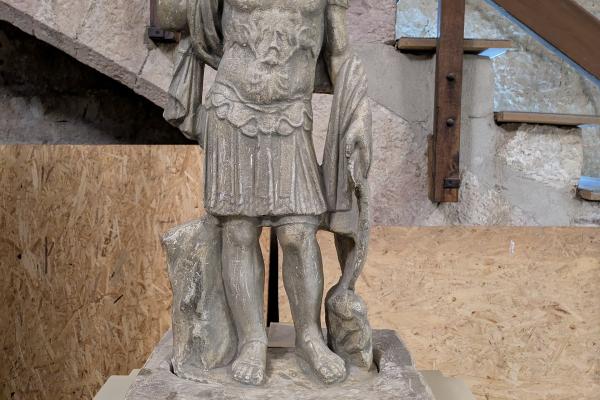
More photos coming soon
Admission Fees
- Admission
- €10 full; €7 reduced (19-25); €5 (6-18); €4 (Gubb
Hours and prices change, especially out of season. Check with the venue before you go.
Nearby Attractions
Other places to visit in Gubbio
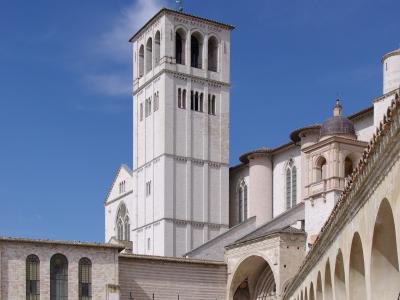
Basilica of San Francesco
Medieval church with 14th-century frescoes
Architectural Monuments · Cultural Tours
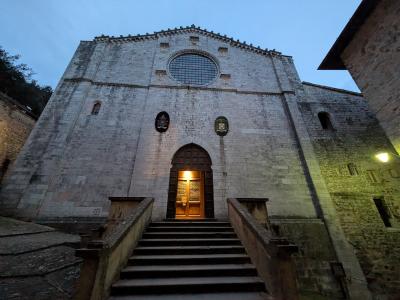
Cattedrale di San Giorgio
13th-century Gothic cathedral housing saints' relics
Architectural Monuments · Historic Churches
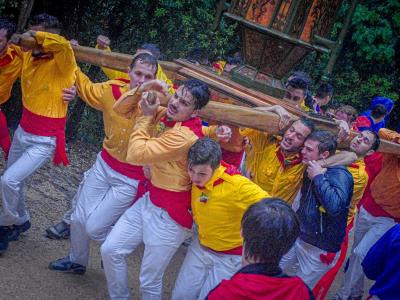
Festa dei Ceri
Ancient May 15 race carrying 280kg wooden ceri
Cultural Festivals · Historic Towns
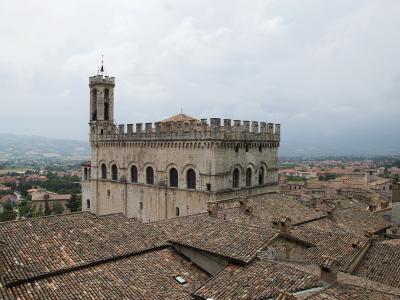
Palazzo dei Consoli
14th-century civic palace on Piazza Grande
From €5 Art Museums · Historic Palaces
Questions people ask
Quick Facts
€10 full
€7 reduced (19-25); €5 (6-18); €4 (Gubb.
Best Time to Visit
Visit between April and June or September and October for mild temperatures and fewer crowds.