







Terni
Umbrian industrial city with Europe's highest waterfall and Roman history
Terni’s history goes back to pre-Roman times, when the area was inhabited by early Italic peoples. The city was later conquered by the Romans and became a significant strategic and agricultural centre, known as Interamna Nahars, 'between the rivers.' The Romans left a significant mark, including the Via Flaminia and aqueducts, and an amphitheatre that is still visible in the town. During the Middle Ages Terni was a commune that often clashed with neighbouring cities such as Spoleto and Perugia. The city was ruled by various families and powers, including the Papal States, before becoming part of the Kingdom of Italy in 1860. In the 19th and 20th centuries Terni changed into a major industrial hub, particularly in steel and metallurgy, earning it the nickname 'The Italian Birmingham.' Bombing in World War II destroyed much of the old centre. Despite its industrial reputation, Terni has preserved much of its historical heritage, including Roman remains, medieval churches, and palaces.
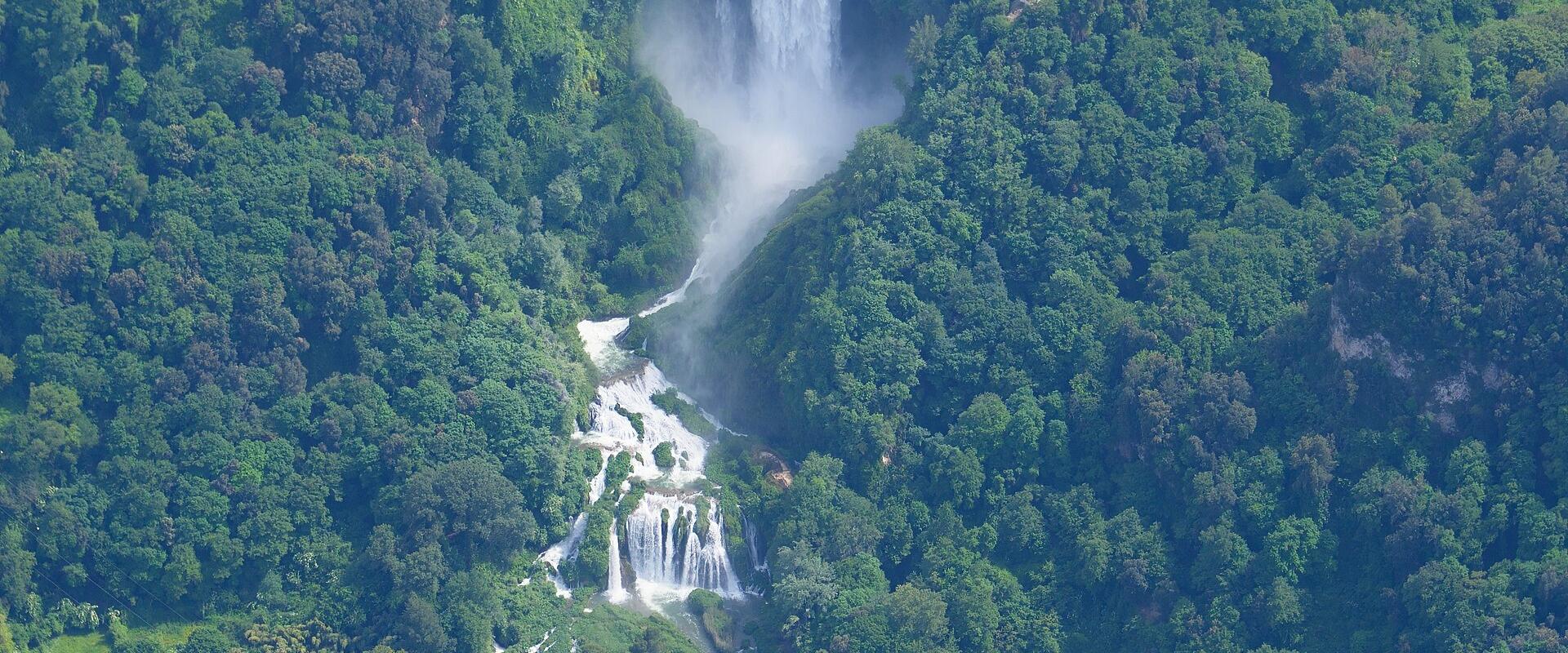
The main attractions revolve around the natural and historical landmarks. The Marmore Falls (Cascata delle Marmore) are the city’s most famous attraction, a tiered waterfall created by the Romans in 271 BC to drain marshland, and now a dramatic natural sight. Visitors can use paths and viewing platforms to see the falls from various angles, and the water is released at set times, so it is best to check the schedule. The Roman Bridge, the Ponte Romano, is among the surviving ancient structures along the Nera River. The historic centre has the Cathedral and the Basilica of San Valentino, dedicated to the patron saint of Terni and of lovers, just outside the old centre; the medieval Franciscan church of San Francesco has frescoes. The Palazzo dei Priori is described as a medieval palace that houses the Civic Museum, and the Museo Civico di Terni, with an Archaeological Museum collection and a picture gallery, shows finds from Roman and pre-Roman periods. A Museum of Industry and Technology showcases the city’s industrial heritage. The city also offers green spaces and parks, such as the Parco della Cascata and the Parco Fluviale del Nera, a protected river park with walking and canoeing, which give opportunities for relaxation and outdoor activities.
Activities in Terni include exploring the historical sites, visiting the waterfalls, and enjoying the local cuisine. The city is known for traditional Umbrian dishes, including pasta, olive oil, and wines. Visitors can take guided tours to learn about the city’s history and industrial past. The surrounding area offers hiking and cycling trails, with the Sibillini Mountains to the east and other natural reserves, and white-water sports on the Nera. Terni is also a base for exploring nearby towns such as Spoleto, Assisi, and Norcia. The city hosts festivals and events through the year, including the lovers' feast of Saint Valentine in February, celebrating its cultural and artistic heritage. Shopping includes local crafts, food products, and industrial souvenirs.
Getting to Terni is convenient by road and rail. The city is well connected by the A1 motorway, linking it to Rome, Florence, and Milan, through nearby junctions. Terni has a railway station with regular connections to major Italian cities. For those flying, the nearest airports are in Rome and Perugia.
The best time to visit Terni is from April to June or September to October, when the weather is mild and pleasant, ideal for outdoor attractions and historic sites. Summer can be hot, while winter is cold but rarely severe. Despite the seasonal variations, Terni’s combination of natural beauty and historical depth makes it a rewarding destination year-round.
Best time to visit
Visit between April and June or September and October for mild temperatures and fewer crowds.
What to see in Terni
Our picks first.
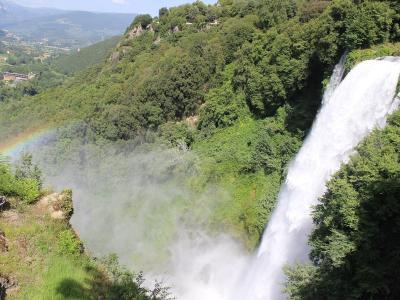
Cascata delle Marmore
Europe's tallest man-made waterfall in Umbria
Free Natural Wonders · Hiking Trails
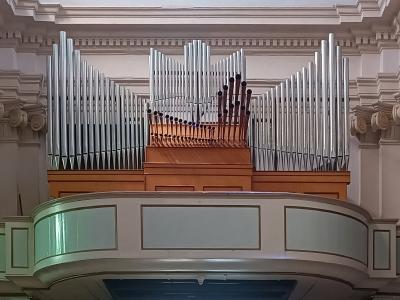
San Valentino Basilica
Terni's basilica dedicated to the patron saint of lovers
History & Heritage · Museums & Culture
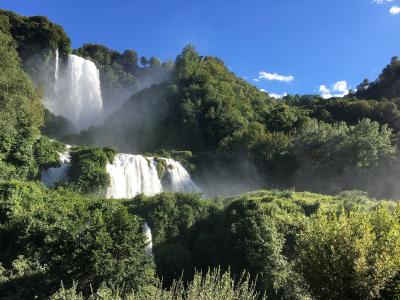
Marmore Waterfalls (Cascata delle Marmore)
World's tallest man-made waterfall
Activities & Wellness · History & Heritage

Museo Civico di Terni
Three-floor museum with detailed archaeological and art e...
Archaeological Museums · Art Museums
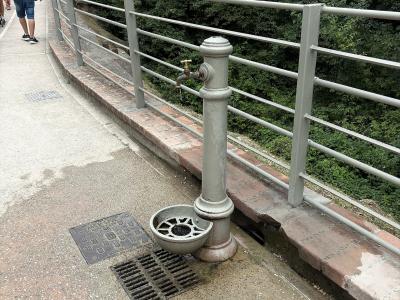
Parco Fluviale del Nera
20km protected nature park along the Nera River
Activities & Wellness · Natural Wonders

San Francesco Cathedral
13th-century Franciscan church with plain gabled front
Architectural Monuments · Historic Churches
Terni by interest
The same sights, grouped by what you came for.
Did you know?
Checked facts about Terni, each with its source.
-
Notable Person
MotoGP Winner Danilo Petrucci Was Born in Terni
Danilo Petrucci, the motorcycle racer who won two MotoGP races including the 2019 Italian Grand Prix at Mugello on a Ducati, was born in Terni on 24 October 1990.
Source: MotoGP.com
Planning a visit to Terni
Good to know
- Currency
- EUR
- Language
- Italian
Quick Facts
Book your stay
Questions people ask
More places in Umbria and Marche
Umbria and Marche
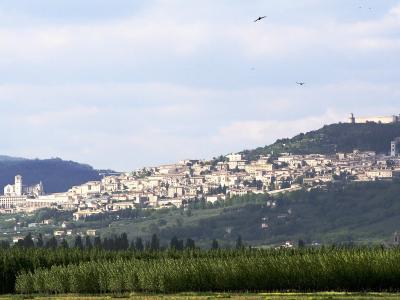
Assisi
UNESCO hilltop town in Umbria, birthplace of St. Francis
Umbria and Marche
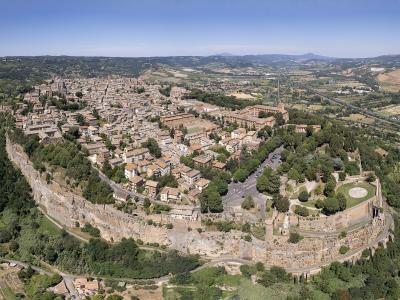
Orvieto
Volcanic tuff hill town in Umbria with Gothic cathedral and Etruscan wells
Umbria and Marche
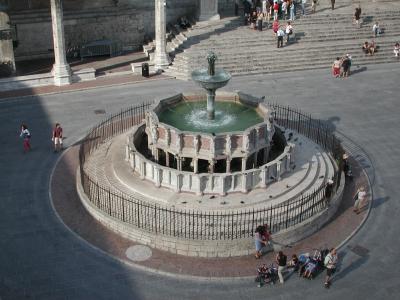
Perugia
Umbrian hill city with Etruscan walls, chocolate heritage, and jazz festival
Umbria and Marche
Urbino
UNESCO-listed Renaissance gem in Marche with Ducal Palace