








- Where
- Terni, Umbria and Marche
- Directions
- Directions
The Museo Civico di Terni, often referred to as the Museo Civico Archeologico e Pinacoteca Edilberto Rosa, is the municipal museum of Terni, a city in southern Umbria in the valley of the Nera River. The museum offers visitors a compact yet well-organized exploration of the region’s history and art. Located in the Umbria region, the museum is spread across three floors, providing a structured journey through time, and the facility is noted for its clear layout and the presence of numerous detailed explanatory panels, which enhance the visitor experience by providing accessible context for the exhibits.
To understand the collections, it helps to know something about the city. Terni was founded in antiquity as a settlement of the Umbri people and became a Roman town known as Interamna Nahars, meaning the town between the rivers, because of its position between two branches of the Nera. It stood on the Via Flaminia, the great road linking Rome to the Adriatic, and grew prosperous as a Roman municipality. In the Middle Ages, Terni became a free commune, and in the modern period it developed into one of Italy’s main industrial centers, with a steelworks and arms factories founded in the late 19th century, which explains the city’s more modern look and the legacy of its industrial heritage. The city is also the home of Saint Valentine, the early bishop who is the patron of lovers and whose basilica stands in the town.
The museum’s collection is divided into archaeological and artistic sections. The archaeological portion covers pre-Roman and Roman periods, highlighting the area’s significance in ancient times, with objects from tombs, inscriptions, sculpture, ceramics and everyday items from Interamna Nahars and the surrounding territory. The pinacoteca, or art gallery, features works that reflect the cultural heritage of Terni and its surroundings, from medieval and Renaissance paintings to later local artists. The scale of the museum allows each section to be seen without fatigue.
Visitors are advised to check local tourism resources or the museum’s official channels for current schedules, as opening hours of municipal museums can change with the season and staffing. The experience at the Museo Civico di Terni is intimate and educational, suitable for those interested in local history without the crowds of larger institutions. A visit usually takes about an hour.
The museum is a complement to other cultural sites in Terni, such as the CAOS art center, housed in a former industrial complex, and the Museo Archeologico with its distinct sections. Terni’s best-known attraction is the Marmore Falls, the tall waterfall created by the Romans in 271 BC, a short drive from the city, and the Nera River Park offers walks and rafting, so the museum can be paired with a day outdoors. For visitors seeking a deeper understanding of the Umbrian landscape’s historical layers, this museum provides a concise and informative overview. The clear signage and organized displays make it easy to navigate, allowing for a focused appreciation of the artifacts and artworks on view.
Categories

More photos coming soon
Nearby Attractions
Other places to visit in Terni
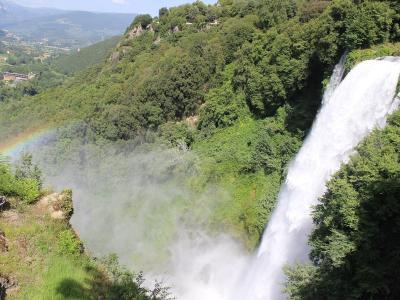
Cascata delle Marmore
Europe's tallest man-made waterfall in Umbria
Free Natural Wonders · Hiking Trails
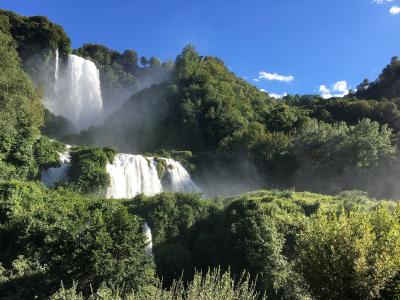
Marmore Waterfalls (Cascata delle Marmore)
World's tallest man-made waterfall
Activities & Wellness · History & Heritage
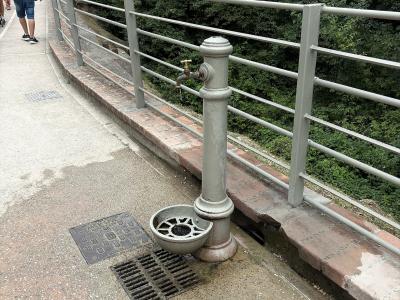
Parco Fluviale del Nera
20km protected nature park along the Nera River
Activities & Wellness · Natural Wonders

San Francesco Cathedral
13th-century Franciscan church with plain gabled front
Architectural Monuments · Historic Churches
Questions people ask
Quick Facts
Best Time to Visit
Visit between April and June or September and October for mild temperatures and fewer crowds.