







- Where
- Terni, Umbria and Marche
- Directions
- Directions
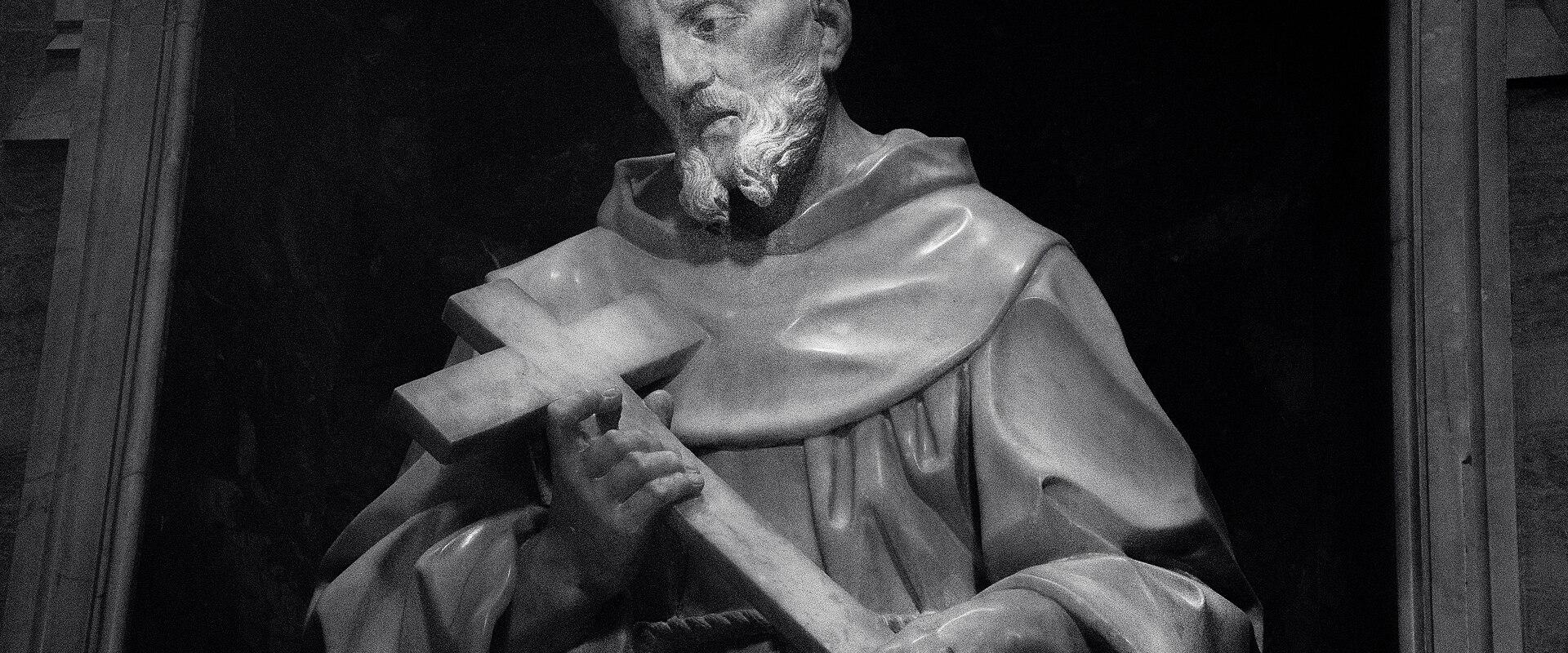
The Franciscan church of San Francesco in Terni is a church of the Franciscan order, sometimes mistaken for a cathedral; the city's cathedral is a different building. It belongs to the medieval layer of a city that was heavily bombed in the Second World War, so surviving buildings of this age are precious, and it is among the most important religious monuments in the historic centre.
The church dates mainly from the later thirteenth century, when the Franciscans, who were established in Umbria within years of Saint Francis's lifetime, were building large preaching churches in cities across Italy. Such churches typically combined late Romanesque solidity with early Gothic features, and San Francesco follows that pattern, with a broad, simple interior designed to hold crowds listening to sermons. The order's presence in Terni went back to the early days of the movement, and the church later became a stop for pilgrims.
Later centuries added chapels and alterations. The best-known of these is the Paradisi chapel, decorated in the fifteenth century with frescoes by Bartolomeo di Tommaso, a painter from Foligno. The cycle includes scenes inspired by Dante's Inferno, a rare subject in Italian church decoration, and the vivid, crowded images of damnation are the reason many art lovers come. Other chapels, including one dedicated to San Bernardino da Siena, the great Franciscan preacher, contain further frescoes and altarpieces of different periods.
The exterior is plain and typical of its type, with a gabled front and a large portal, and the surrounding streets are ordinary city blocks, so the church can be a surprise when you step inside. The building remains a working church, and visitors should dress modestly and keep quiet during services. Opening times vary, so it is wise to confirm before arriving.
Terni has other highlights to combine with this visit. The Basilica of San Valentino honours the city's patron, the saint associated with lovers, and the Museo Civico di Terni gives local context. A short drive away, the Marmore Waterfalls, the Cascata delle Marmore, drop in a series of tiers over a high limestone cliff, and the Parco Fluviale del Nera offers walking along the river. The church suits art and history enthusiasts, and anyone interested in the Franciscan legacy in Umbria.
Categories
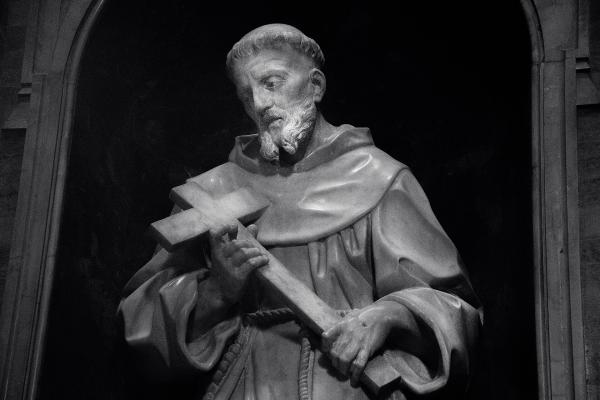
More photos coming soon
Nearby Attractions
Other places to visit in Terni
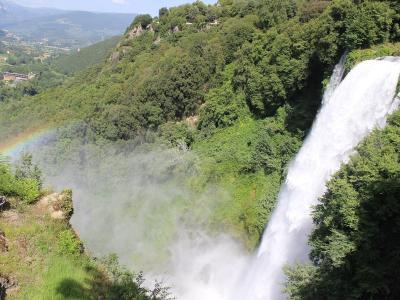
Cascata delle Marmore
Europe's tallest man-made waterfall in Umbria
Free Natural Wonders · Hiking Trails
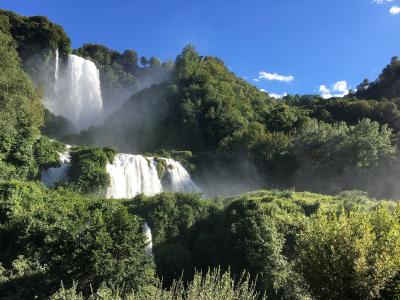
Marmore Waterfalls (Cascata delle Marmore)
World's tallest man-made waterfall
Activities & Wellness · History & Heritage

Museo Civico di Terni
Three-floor museum with detailed archaeological and art e...
Archaeological Museums · Art Museums
Parco Fluviale del Nera
20km protected nature park along the Nera River
Activities & Wellness · Natural Wonders
Questions people ask
Quick Facts
Best Time to Visit
Visit between April and June or September and October for mild temperatures and fewer crowds.