







- Where
- Terni, Umbria and Marche
- Directions
- Directions
The Parco Fluviale del Nera is a protected river park in the Province of Terni, in Umbria, in central Italy, and it follows the Nera River for about twenty kilometres. The park takes in the towns of Terni, Arrone, Ferentillo and Montefranco, and it covers the river and the steep Valley of the Nera, known as the Valnerina, along which the river has cut a deep, wooded course through limestone mountains. It is often called the Water Park, a name that suits a landscape in which the river, its tributaries, springs and waterfalls dominate everything.
The best-known feature of the area is the Marmore Waterfalls, the Cascata delle Marmore, just outside Terni. They are among the tallest in Europe, dropping in three stages for a total of about 165 metres, but they are not natural in the usual sense. The Romans cut a channel in 271 BC, under the consul Manius Curius Dentatus, to drain the stagnant waters of the Velino river into the Nera, and the falls are the result. The flow is controlled today by a hydroelectric company, and the water is released on a schedule, so the falls are at their full power only at set times.
Beyond the falls, the park offers a variety of outdoor activities. The Nera is one of the best rivers in Italy for canoeing and rafting, and its clear, fast stretches suit swimmers in the pools in summer. Walking trails follow the river banks and the slopes, passing lush vegetation, dramatic rock formations, deep pools and rapids. Climbers use the cliffs around Ferentillo, and cyclists can ride along the valley.
The area is also rich in history. Remains of ancient mills and old hydroelectric plants line the river, a reminder that Terni was the first industrial city of Italy, using the power of the Nera for its steelworks and factories in the nineteenth century. Ferentillo is known for its two castles on opposite sides of the valley and for the Museum of the Mummies, where naturally mummified bodies are displayed, and the nearby Abbey of San Pietro in Valle, an early medieval monastery, has remarkable frescoes. Arrone and Montefranco are small hill villages with old walls and views.
Exploring the park works best by choosing one or two activities rather than trying to see everything. Check local tourism resources for current schedules, including the times of the water release at the falls, and for any restrictions on swimming or canoeing, which depend on water levels and weather. Spring and early summer have the most water and the greenest scenery, and autumn colours are good. Wear sturdy shoes for the trails, bring a swimsuit and a towel in summer, and allow a full day for the park and the falls together.
Categories
More photos coming soon
Nearby Attractions
Other places to visit in Terni
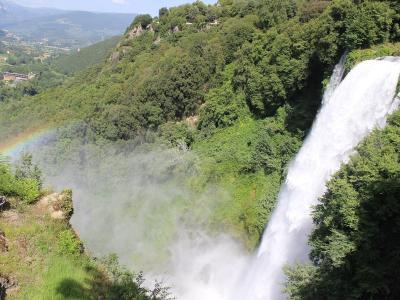
Cascata delle Marmore
Europe's tallest man-made waterfall in Umbria
Free Natural Wonders · Hiking Trails
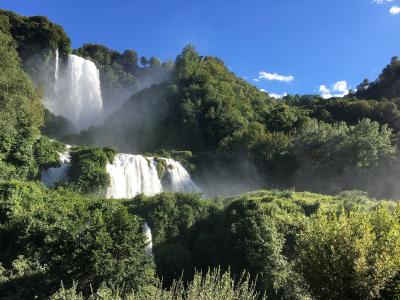
Marmore Waterfalls (Cascata delle Marmore)
World's tallest man-made waterfall
Activities & Wellness · History & Heritage

Museo Civico di Terni
Three-floor museum with detailed archaeological and art e...
Archaeological Museums · Art Museums

San Francesco Cathedral
13th-century Franciscan church with plain gabled front
Architectural Monuments · Historic Churches
Questions people ask
Quick Facts
Best Time to Visit
Visit between April and June or September and October for mild temperatures and fewer crowds.