Brescia
UNESCO Roman city in Lombardy with Capitolium temple and medieval castle
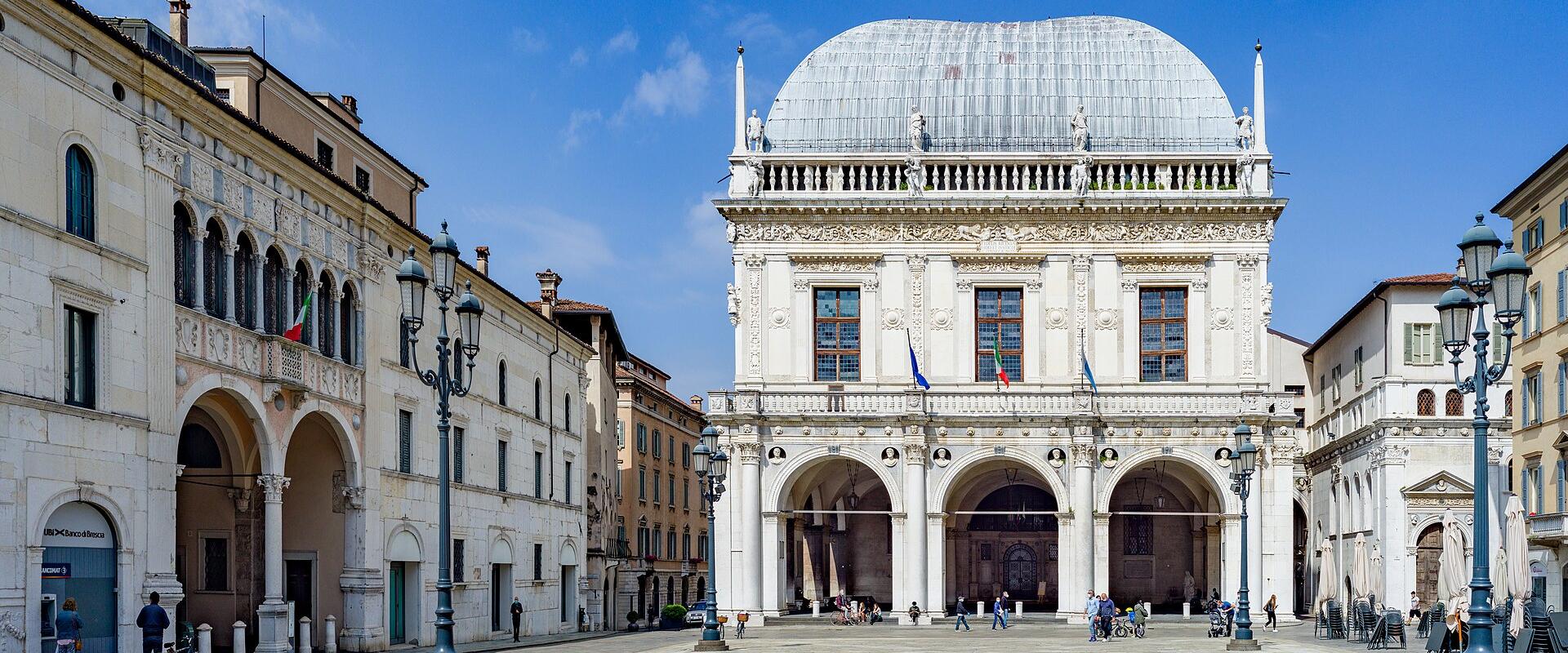
Brescia’s history is deeply rooted in its importance as a Roman colony, known as Brixia. Founded in the 1st century BC, it became a prosperous city in the Po Valley, known for its bronze industry and strategic location. The Romans left a significant imprint, including the Capitolium, one of the best-preserved Roman temples in Italy. During the Middle Ages, Brescia was a powerful commune, often in conflict with neighboring cities like Milan and Bergamo. The city was fortified with walls and castles, including the Rocca, which still stands today. In the 15th and 16th centuries, Brescia came under Venetian rule, leading to a period of cultural flourishing and the construction of many Renaissance palaces and churches. The city also played a role in the Italian unification movement, particularly during the Five Days of Brescia uprising in 1859. Today, Brescia preserves its historic center, with Roman, medieval, and Renaissance structures that reflect its layered past as a Roman colony, medieval commune, and Venetian possession.
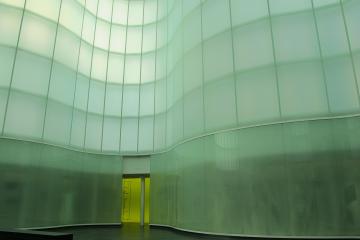
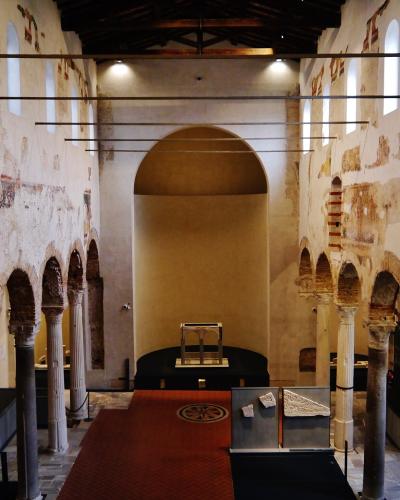
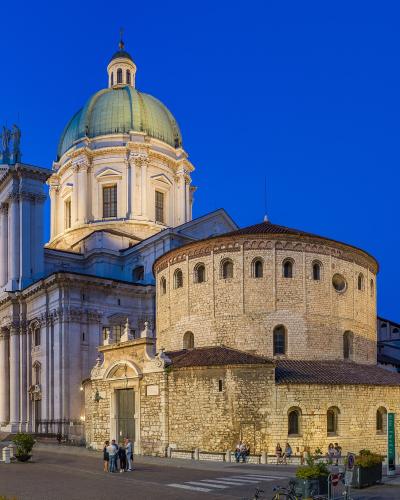
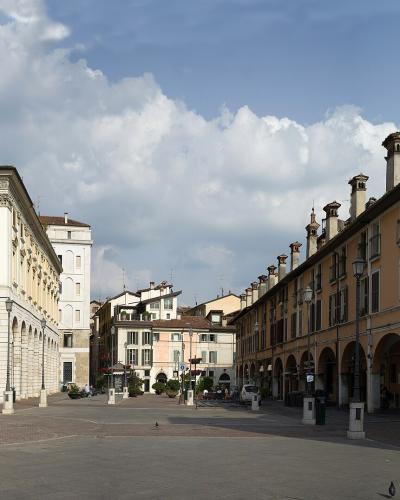
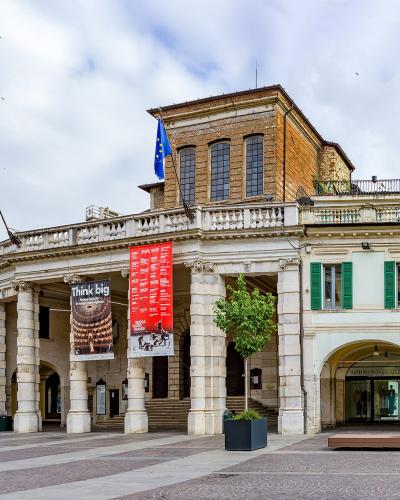
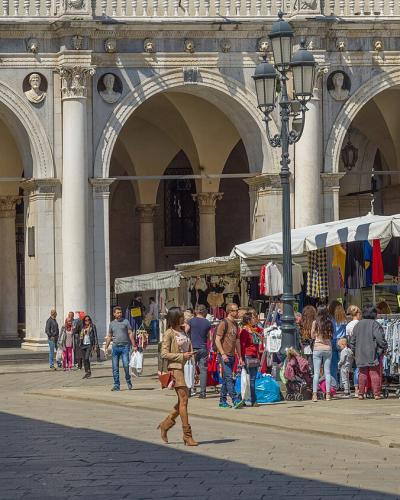
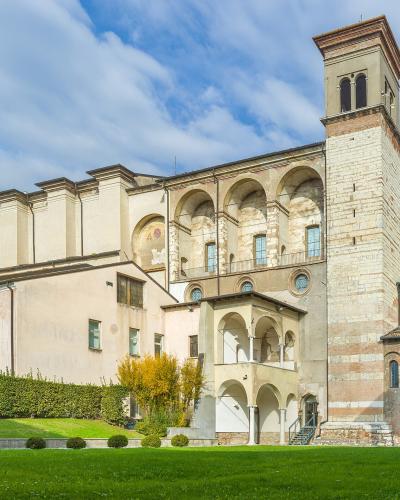
The main attractions in Brescia are centered around its historic center and archaeological sites. The Capitolium, located in Piazza del Foro, is a masterpiece of Roman architecture, recently restored and open to the public. The Roman Amphitheater, partially excavated, offers insights into the city’s ancient entertainment culture. The Rocca, a medieval fortress on Colle Cidneo, houses the National Museum of Brescia, featuring artifacts from prehistoric times to the modern era, including the famous Warrior of Capriano del Colle. The Cathedral of Santa Maria Assunta, with its Baroque facade and interior, is a significant religious site. The city also features the Church of San Salvatore, a Lombard masterpiece with a unique octagonal plan. The historic center is characterized by narrow streets, porticoes, and elegant palaces.
Activities in Brescia include exploring the historic center, visiting museums, and enjoying the local cuisine. The city is known for its traditional Lombard dishes, including risotto, polenta, and local wines like Franciacorta. Visitors can take guided tours to learn about the history of the Roman and Lombard periods. The surrounding area offers opportunities for hiking in the Prealps and visiting Lake Garda and Lake Iseo. Brescia also hosts various festivals and events throughout the year, including the Brescia Jazz Festival and the Feast of San Gemini. Shopping includes local ceramics, textiles, and food products. For those interested in history, guided tours are available to explore the Roman, Lombard, and Renaissance heritage of the city.
Getting to Brescia is convenient via rail and road. The city is well-connected by train from Milan, with frequent services taking approximately 1 hour. For those traveling by car, the A4 motorway provides easy access from Milan and Venice. The nearest airport is Milan Malpensa Airport, located about 60 kilometers away. The best time to visit Brescia is from April to June or September to October, when the weather is mild and pleasant, ideal for exploring the outdoor attractions and historic sites. July and August are peak tourist months, with higher temperatures and larger crowds. Winter is cool but offers a quieter experience, with the city’s museums and cafes providing cultural entertainment. Despite the seasonal variations, Brescia’s rich history and natural beauty make it a rewarding destination year-round.
Best Time to Visit
Visit between April and June or September and October for mild temperatures and fewer crowds.
Did you know?
Interesting, verified facts about Brescia
Brescia Has a Distinct Local Story
HistoryBrescia is a historic city in the Lombardy region of northern Italy, located at the foot of the Alps.
Source: Province of Brescia - WikipediaBrescia Is Linked to Lake Landscapes
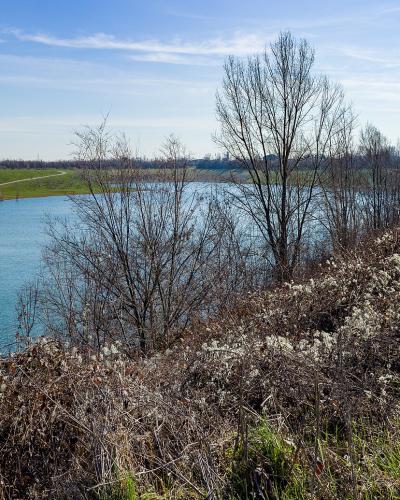
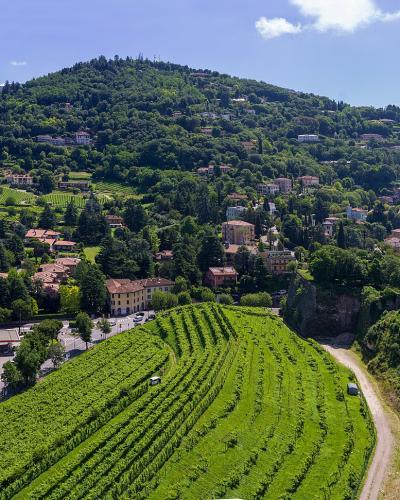
Notable PersonBrescia provides visitors with a blend of archaeological exploration, artistic heritage, and access to the surrounding lakes and mountains, making it a compelling destination for those interested in history and the natural beauty of.
Source: Province of Brescia - WikipediaPlan Your Visit to Brescia
Essential travel tips and information for your trip to Brescia.
Suggested Itineraries
One Day in Brescia
1 dayPerfect for a quick visit. See the main highlights and get a taste of local culture.
Extended Brescia Experience
2-3 daysComprehensive exploration including nearby attractions and cultural experiences.
Travel Tips
Currency
EUR • Cards widely accepted
Language
Italian • English in tourist areas
WiFi
Free WiFi in cafes and hotels
Explore Brescia by Interest
Discover attractions and experiences in Brescia organized by your interests and travel preferences.
All attractions in Brescia
Sorted by our recommendation score
Quick Facts
Book your stay
Frequently Asked Questions
More destinations in Lombardy
Explore other amazing places in the Lombardy region