
Museo di Santa Giulia
Longobard monastic complex housing Roman villas
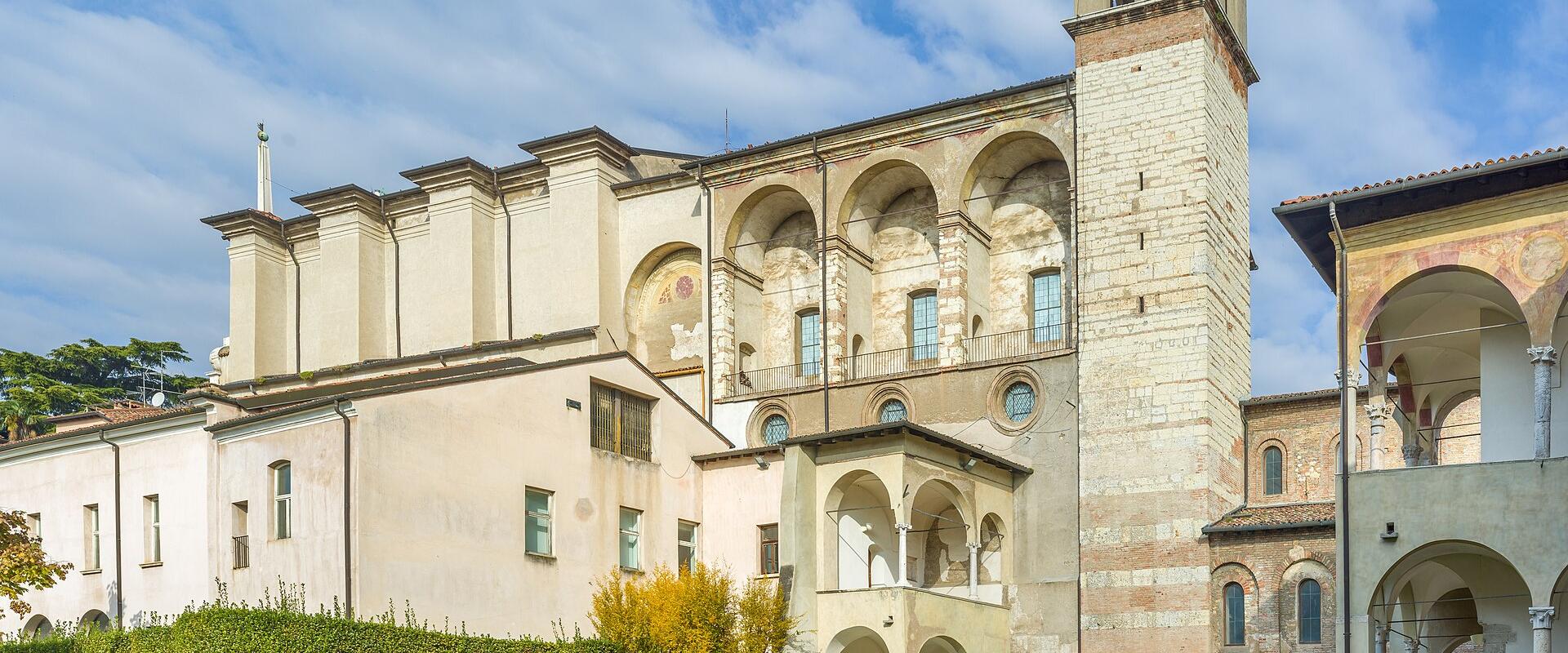
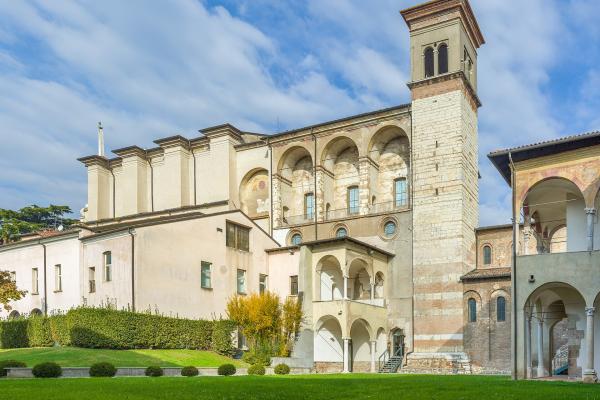
The Museo di Santa Giulia in Brescia is a unique cultural institution housed within a historic monastic complex of Longobard origin. Spanning approximately 14,000 square meters, the museum offers a chronological and thematic journey through the city’s history, art, and spirituality from prehistoric times to the 18th century. The site features thousands of artifacts and significant architectural landmarks, including Roman-era houses, the 8th-century Longobard Basilica of San Salvatore founded by King Desiderius in 753 CE, the 12th-century Romanesque Oratory of Santa Maria in Solario, and the early 16th-century Choir of the Nuns.
Visitors can explore sections arranged chronologically, encountering extraordinary pieces dating back to the 4th millennium BC. Notable highlights include the Lipsanotheca, an ivory reliquary, and the Cross of Desiderius, a Carolingian goldsmith work adorned with 212 gemstones. The museum’s layout allows for an immersive experience, blending archaeological findings with religious art and architectural heritage.
It is advisable to check the official Fondazione Brescia Musei website for current schedules and ticket information. The experience of visiting Santa Giulia provides a comprehensive understanding of Brescia’s evolution from a Roman settlement to a medieval religious center. For travelers, the museum serves as an essential destination for appreciating the rich historical layers of the region, combining educational value with aesthetic appreciation.
More photos coming soon
Nearby Attractions
Other places to visit in Brescia
Frequently Asked Questions
Quick Facts
Best Time to Visit
Visit between April and June or September and October for mild temperatures and fewer crowds.