







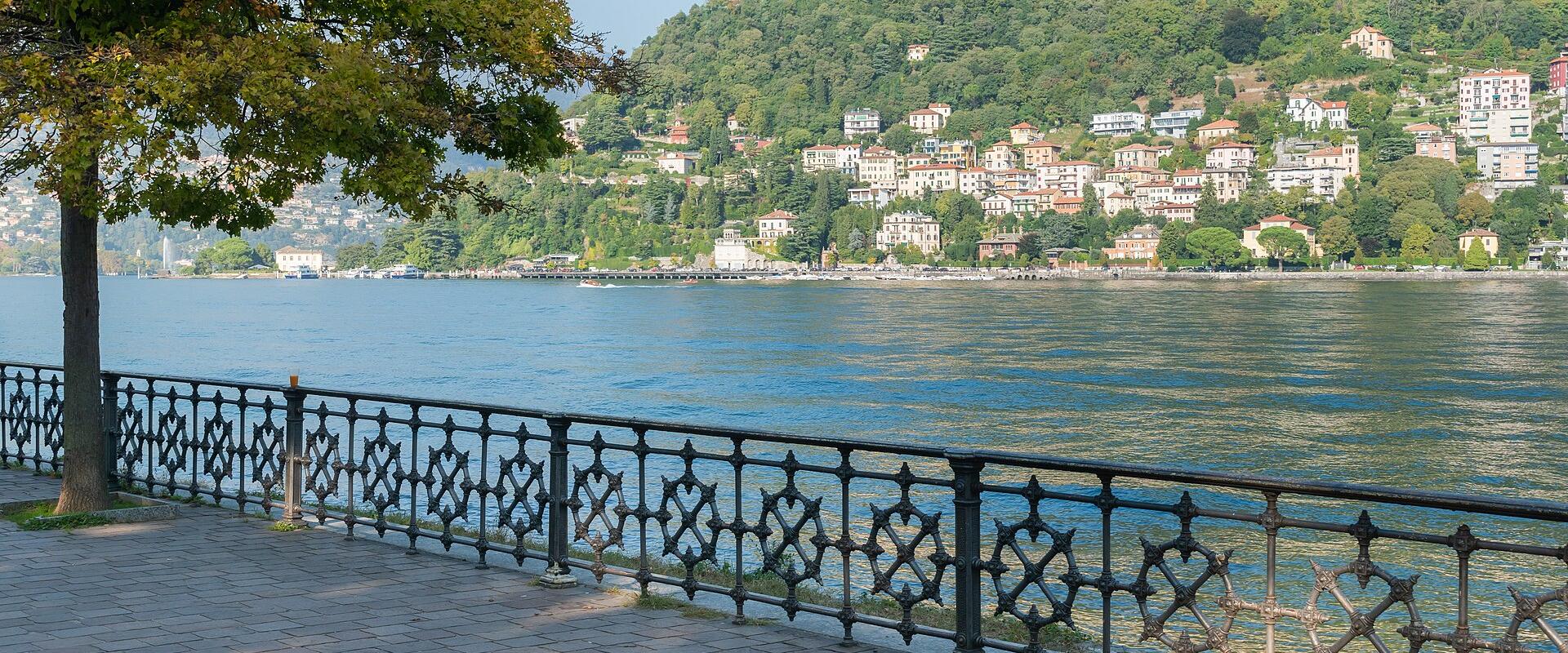
Como’s history dates back to Roman times, when it was known as Novum Comum. The city flourished during the Middle Ages as a centre for silk production, a trade that remains significant today. In the 19th and early 20th centuries Como became a popular retreat for European nobility and intellectuals, leading to the construction of many elegant villas and gardens. The city was incorporated into the Kingdom of Italy in 1859. Today Como preserves its historic centre, with narrow streets, medieval towers, and Renaissance palaces. The silk industry, though smaller than before, still contributes to the cultural identity, with museums and workshops showing the craft. Como has also become a hub for tourism, offering a mix of history, nature, and leisure.
The main attractions are centred on the lakeside setting and the historic sites. The Duomo di Como, officially the Cattedrale di Santa Maria Assunta, is the city’s most prominent landmark; its construction ran over several centuries and combines Gothic and Renaissance elements, with a richly carved facade. The Basilica di San Fedele is a Romanesque church in the old centre, and Piazza Cavour is the social hub where the old town opens onto the water. The Como-Brunate Funicular climbs from the lakefront to the hilltop village of Brunate for views of the lake and mountains. The Tempio Voltiano is a neoclassical museum devoted to Alessandro Volta, the pioneer of the electric battery, who was born in Como. The Museo Civico Archeologico Paolo Giovio, one of the four sites of the Civic Museums, displays Roman and earlier finds.
Along the western shore, the Lungolago, the lakeside promenade, leads to Villa Olmo, a neoclassical villa that houses exhibitions and cultural events and is surrounded by the Parco di Villa Olmo and public gardens, the Giardini Pubblici di Villa Olmo. Nearby in Cernobbio, the gardens of Villa Erba offer scenic views and walking paths. Farther up the lake, Villa del Balbianello, an 18th-century residence and garden on a peninsula in Tremezzina, is among the best-known lake estates, and the famous towns of Bellagio and Varenna are accessible by boat from Como.
Activities in Como include exploring the historic sites, taking boat trips on the lake, and hiking in the surrounding hills. The city’s cooking features lake fish, risotto with perch, and the red wines of nearby Valtellina, among them Chiavennasca, the local name for the Nebbiolo grape. Visitors can take guided tours to learn about the city’s history and silk production. The surrounding mountains offer hiking and cycling, with trails leading to scenic viewpoints. Como also hosts festivals and events through the year, including the Como Jazz Festival. Shopping includes local silk products, ceramics, and food items. For those interested in history, guided tours explore the Roman and medieval heritage of the city.
Getting to Como is convenient by rail and road. The city is connected by train from Milan, with frequent services taking approximately 40 minutes, and Como has a railway station in the city centre. By car, the A9 motorway provides easy access from Milan. The nearest major airport is Milan Malpensa, about 50 kilometres away, and the lakeside is easily walked once you arrive.
The best time to visit Como is from April to June or September to October, when the weather is mild and pleasant, ideal for outdoor attractions and historic sites. July and August are peak tourist months, with higher temperatures and larger crowds. Winter is cold but offers a quieter experience, with the city’s museums and cafes providing cultural entertainment. Despite the seasonal variations, Como’s rich history and natural beauty make it a rewarding destination year-round.
Best time to visit
Visit between April and June or September and October for mild temperatures and fewer crowds.
What to see in Como
Our picks first.
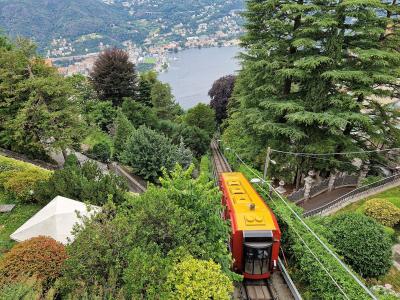
Funicolare Como–Brunate
Historic funicular from Como up to Brunate
Scenic Viewpoints
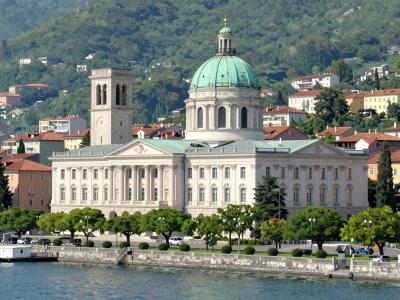
Lakeside Promenade (Lungolago)
Lakeside promenade with stunning views of Lake Como
City Promenades · Coastal Walks
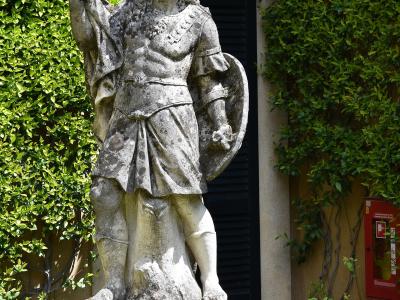
Villa del Balbianello
18th-century villa and gardens on Lake Como peninsula
Botanical Gardens · Historic Palaces
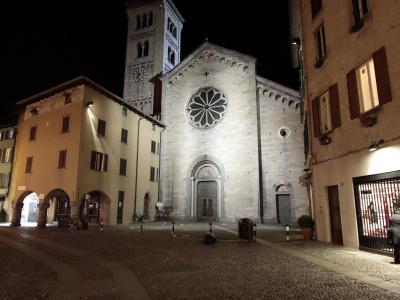
Basilica di San Fedele
12th-century Romanesque basilica in Como
Architectural Monuments · Historic Churches
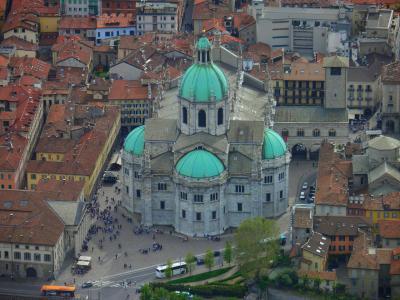
Como Cathedral (Duomo di Como)
Gothic cathedral dedicated to the Assumption of Mary
Architectural Monuments · Historic Churches
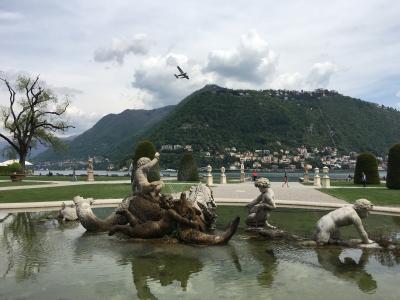
Giardini Pubblici di Villa Olmo
Free neoclassical park with seasonal hours
Free Botanical Gardens · Historic Palaces
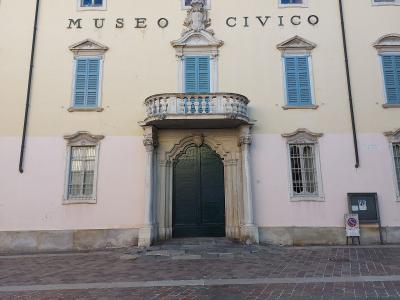
Museo Civico Archeologico
Como's civic museum in three historic palaces
Archaeological Museums · Historic Palaces
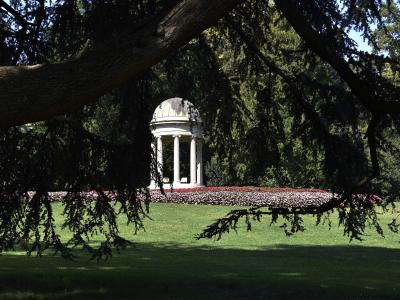
Parco di Villa Olmo
Neoclassical villa with formal and English gardens
Free Botanical Gardens · Historic Palaces
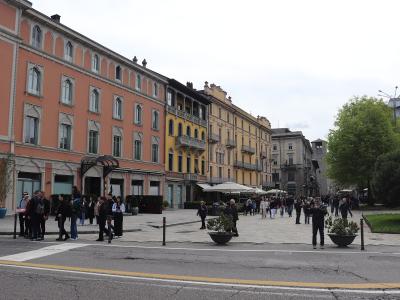
Piazza Cavour
Lakeside square with historic buildings and lake views
Free Historic Districts · Scenic Viewpoints
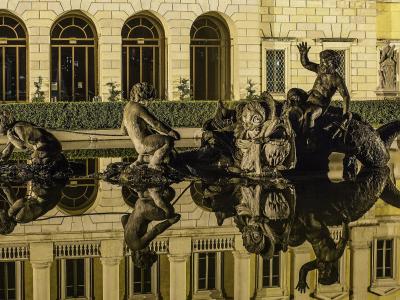
Villa Olmo
Neoclassical villa with Italian and English gardens
Free Botanical Gardens · City Promenades
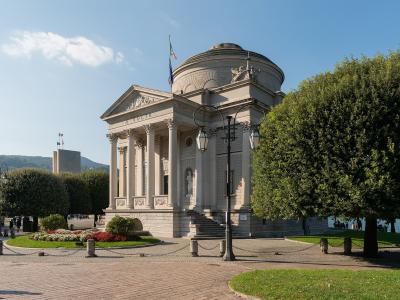
Tempio Voltiano
Neoclassical museum dedicated to Alessandro Volta
History & Heritage · Museums & Culture
Como by interest
The same sights, grouped by what you came for.
Did you know?
Checked facts about Como, each with its source.
-
Notable Person
The Battery's Inventor Was Born in Como
Alessandro Volta, who invented the electric battery (the voltaic pile) at the end of 1799, was born in Como on 18 February 1745, and the volt, the unit of electric potential, is named after him. The Tempio Voltiano on Como's lakefront, inaugurated in 1928, displays his original instruments alongside reconstructions of those lost in an 1899 fire.
Source: Musei Civici di Como (Tempio Voltiano brochure)
Planning a visit to Como
Good to know
- Currency
- EUR
- Language
- Italian
Quick Facts
Book your stay
Questions people ask
More places in Lombardy
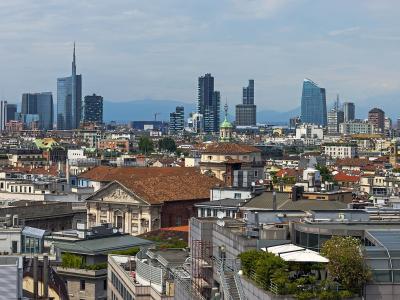
Lombardy
Milan
Global fashion capital with Renaissance art and modern architectural landmarks
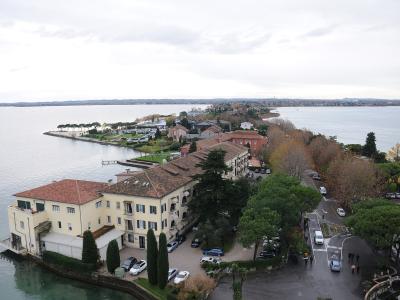
Lombardy
Lake Garda
Italy's largest lake bordered by Alps and Mediterranean climate
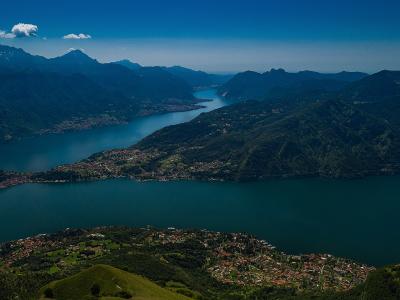
Lombardy
Bellagio
Historic peninsula town on Lake Como known for villas and gardens
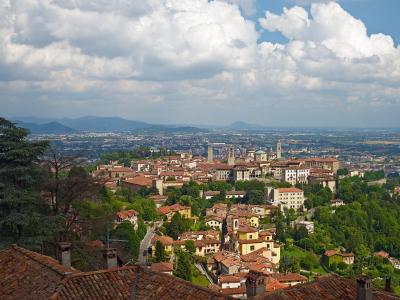
Lombardy
Bergamo
UNESCO-listed medieval city with Venetian walls and alpine views