







- Where
- Brescia, Lombardy
- Directions
- Directions
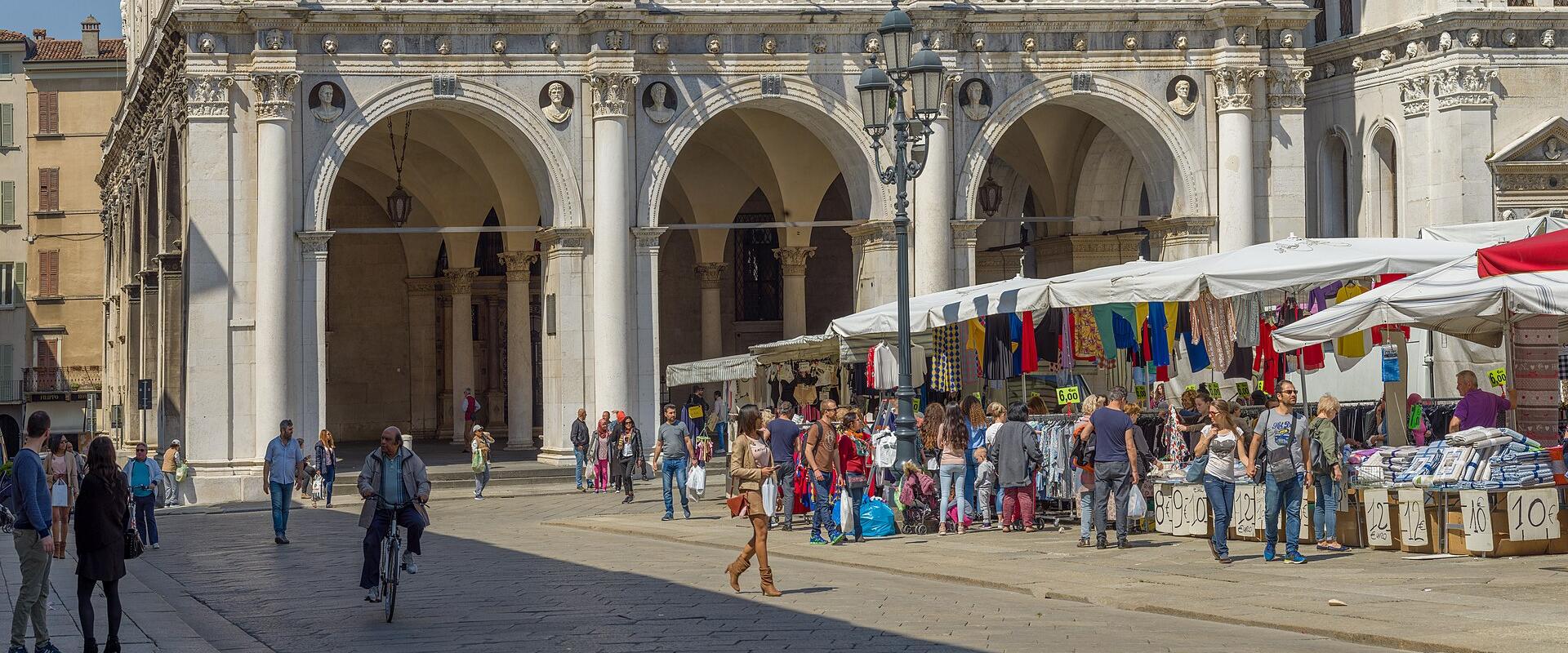
Piazza della Loggia is the symbolic centre of Brescia, in Lombardy, a pedestrian square that is a prime example of Renaissance urban planning under Venetian rule. It is also called Piazza Grande or Piazza Vecchia in older usage, and its rectangular layout was planned in the fifteenth century when the city was part of the Republic of Venice, which had taken it over in 1426. The square is lined with arcades and historic buildings of artistic interest, and it has a unified and harmonious look. Roman-era remains lie beneath the surrounding streets, a reminder that Brescia was a major city of the empire.
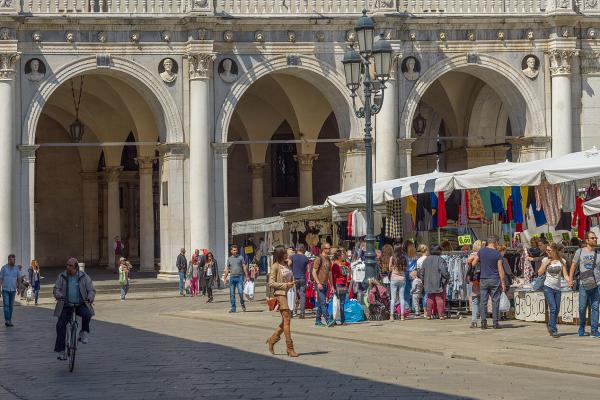
The great building on the western side is the Palazzo della Loggia, the town hall, begun in 1492 and built over the following decades with the contribution of several leading architects, including Palladio, who worked on the roof, and Sansovino. It is a marble palace with an open loggia at ground level, a rich Renaissance facade and a vaulted upper hall. Today it is the seat of Brescia’s municipal council. Its pale stone gives the square much of its light, and the building is one of the most admired Renaissance palaces in the north of Italy.
On the southern side stand the Old and New Mounts of Piety, the Monte di Pietà Vecchio and Nuovo, built between the fifteenth and sixteenth centuries as charitable pawnbroking institutions that lent money to the poor at low interest. Their facades are decorated with Roman inscriptions and fragments, and they hold a collection of ancient inscribed stones that makes them one of the oldest lapidary displays in Italy. To the east, Renaissance arcades and a tower with an astronomical clock add to the charm. The clock, made in the sixteenth century, shows the phases of the moon and the signs of the zodiac, and on top two bronze figures strike the hours, known by locals as the Macc de le Ure, the madmen of the hours.
The square is also a place of memory. The northeastern section includes a column and the Porta Bruciata, the Burnt Gate, an arch that leads out toward the centre, and a statue of Bella Italia, a monument to the Ten Days of Brescia in 1849, when the city rose against Austrian rule and earned the title of Lioness of Italy. A bronze group commemorates the revolt, and the monument to Victor Emmanuel II stands nearby. A plaque and a memorial remember the victims of a bomb attack on 28 May 1974, which killed eight people at an anti-fascist demonstration, an event that deeply marked the city.
Visitors can find cafes under the arcades and enjoy the evening passeggiata. The square is a short walk from the Cathedral, Piazza Paolo VI and the Roman Capitolium, so it is easy to combine with the rest of the old centre. Allow forty minutes.
More photos coming soon
Nearby Attractions
Other places to visit in Brescia
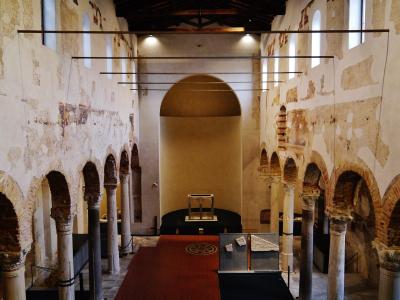
Basilica di San Salvatore
UNESCO site with Lombard, Roman, and Renaissance architec...
Archaeological Museums · Architectural Monuments
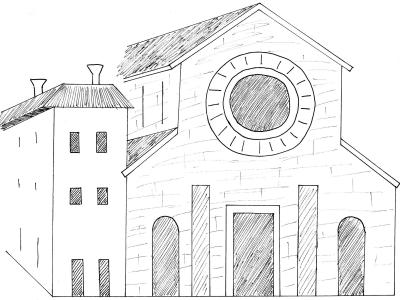
Basilica of San Pietro de Dom
Early Christian basilica in Brescia
Ancient Ruins · Archaeological Museums
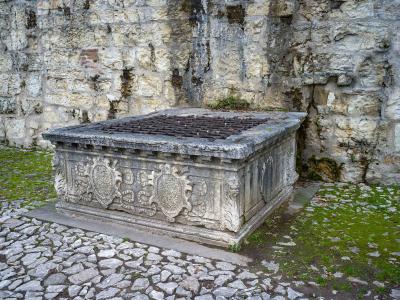
Castello di Brescia
Historic fortress on Cidneo Hill with two museums
Architectural Monuments · Castles & Fortresses
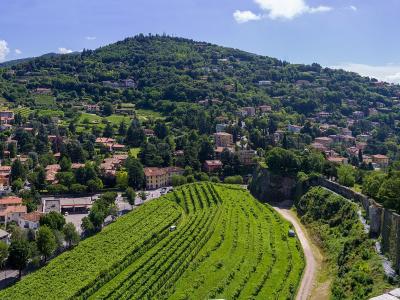
Colle Cidneo Viewpoint
Medieval fortress with panoramic views of Brescia and the...
Free Castles & Fortresses · Hillside Trails
Questions people ask
Quick Facts
Best Time to Visit
Visit between April and June or September and October for mild temperatures and fewer crowds.