







- Where
- Brescia, Lombardy
- Directions
- Directions
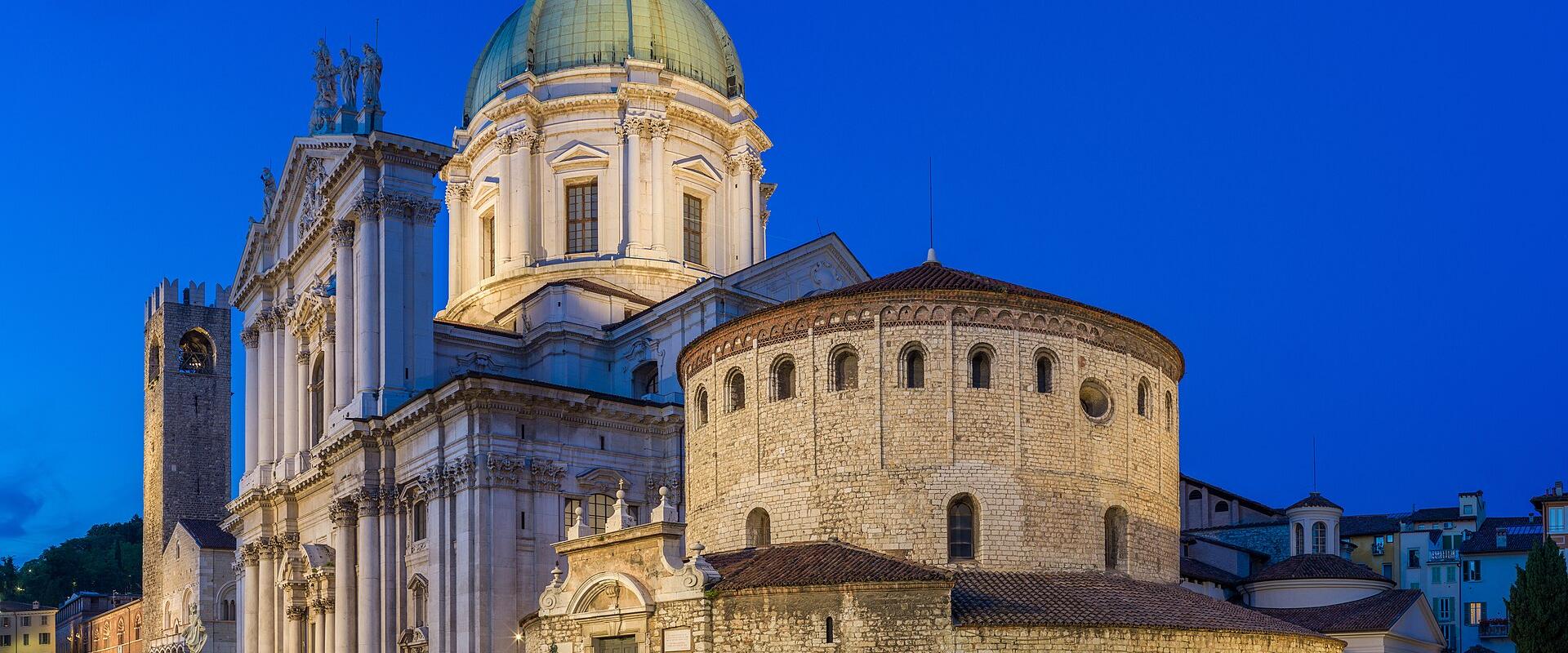
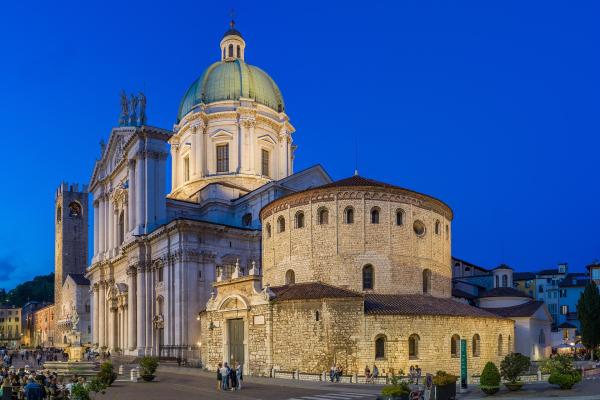
Brescia's cathedral square is an odd and rewarding place, because it has two cathedrals side by side. One is a round Romanesque church, the other a large domed Baroque and Neoclassical building, and standing between them you can read nearly a thousand years of church-building in one glance. Few Italian cities can offer that contrast in a single piazza.
The old cathedral, the Duomo Vecchio, is known as the Rotonda because of its circular plan. It dates from the eleventh and twelfth centuries and replaced earlier Christian buildings on the site, and the round design recalls the early churches of Jerusalem, in particular the one built over the Holy Sepulchre. The walls are built of pale local stone, and the interior is a wonderfully plain space, ringed by a gallery on thick columns, many of them reused from older Roman buildings. Look for the tomb of Bishop Berardo Maggi, from the early fourteenth century, and for paintings by the Brescian masters of the sixteenth century, Moretto and Romanino.
Beside it rises the Duomo Nuovo, begun in the early seventeenth century and finished only in the nineteenth. Its white marble facade and its large dome, among the tallest in Italy, dominate the skyline of the old town. The style is Baroque with later Neoclassical touches, so the contrast with the severe round church could hardly be stronger. For a long time the two buildings served the city together, and the arrangement survives in the layout of the square.
A third building, the Broletto, the medieval town hall, closes another side of the piazza. Its brick and stone facade, arcaded courtyard and tall tower recall the era when Brescia governed itself as a free commune. The square connects easily to the Piazza della Loggia, the city's other great civic space, and the lanes beyond.
From here it is easy to continue to the Roman Forum and the Capitolium, the remains of the Roman city of Brixia, and to the Museo di Santa Giulia, which holds the monastery complex and the Longobard treasures of the city's early medieval period; both are part of Brescia's UNESCO-listed Longobard sites. The Castello di Brescia, high on the Colle Cidneo, and the Teatro Grande are also nearby.
The square is public and free, and the cathedrals have their own opening times, with limited access during services. It is best for architecture lovers and for anyone who enjoys a quiet moment in a calm space: the Rotonda is cool in summer and hushed all year. Early morning is the quietest time.
Categories
More photos coming soon
Nearby Attractions
Other places to visit in Brescia
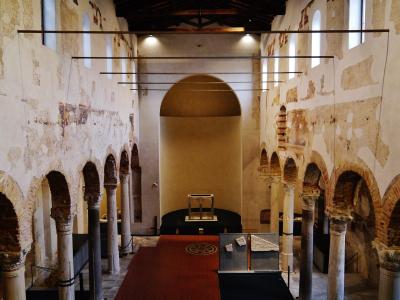
Basilica di San Salvatore
UNESCO site with Lombard, Roman, and Renaissance architec...
Archaeological Museums · Architectural Monuments
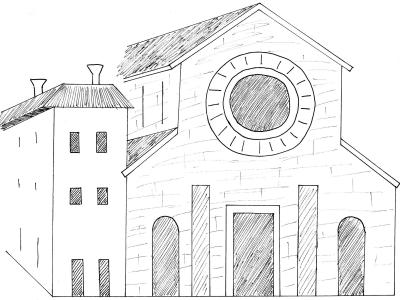
Basilica of San Pietro de Dom
Early Christian basilica in Brescia
Ancient Ruins · Archaeological Museums
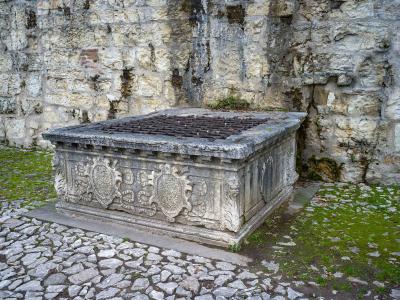
Castello di Brescia
Historic fortress on Cidneo Hill with two museums
Architectural Monuments · Castles & Fortresses
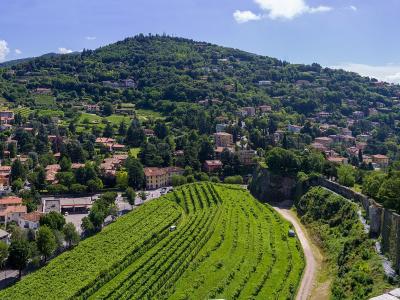
Colle Cidneo Viewpoint
Medieval fortress with panoramic views of Brescia and the...
Free Castles & Fortresses · Hillside Trails
Questions people ask
Quick Facts
Best Time to Visit
Visit between April and June or September and October for mild temperatures and fewer crowds.