







- Where
- Brescia, Lombardy
- Directions
- Directions
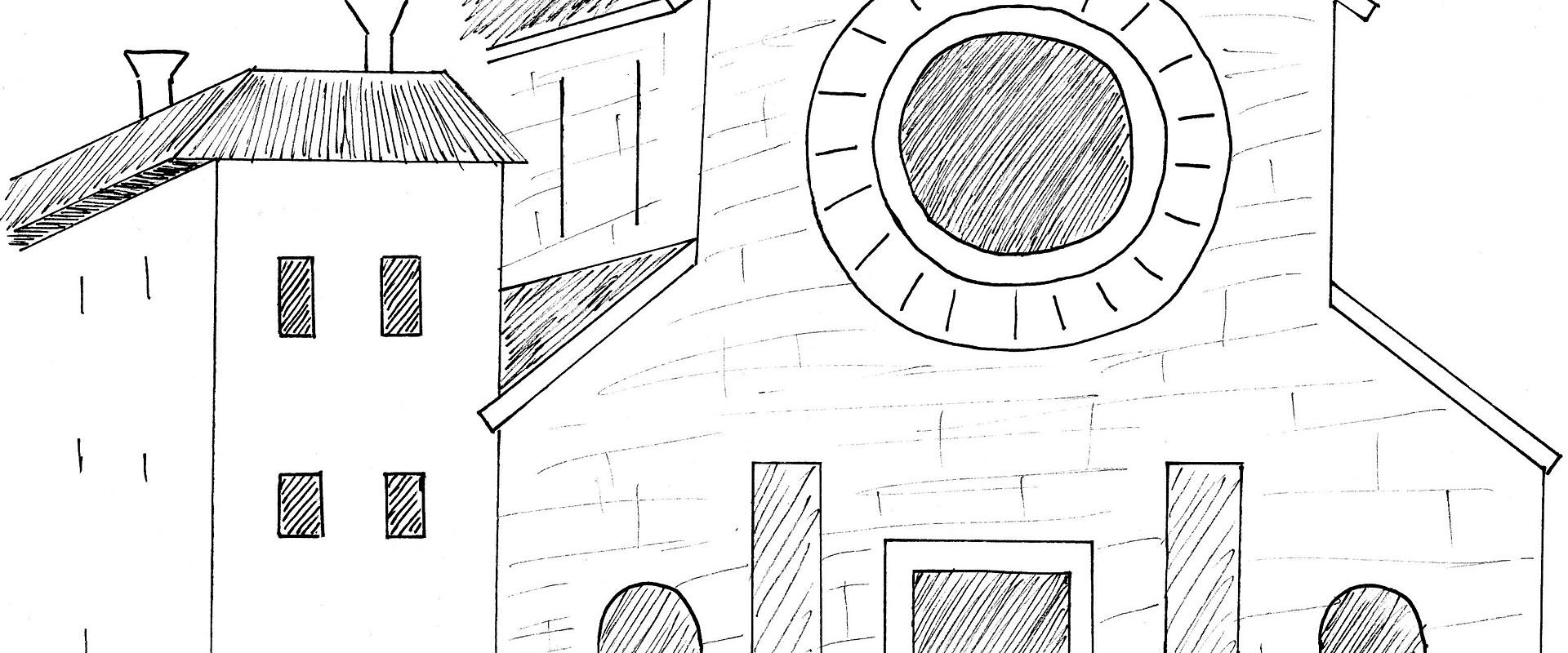
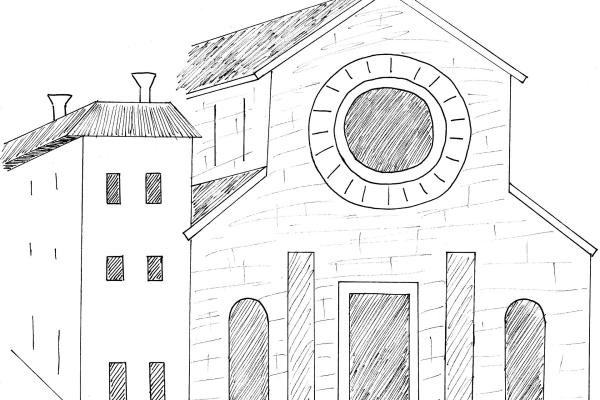
Travelers visiting Brescia should be aware that the Basilica of San Pietro de Dom is not a standing building that can be visited today. It was one of the most important churches of early Christian Brescia, and it functioned as the city's summer co-cathedral for centuries, paired with the older church of Santa Maria Maggiore, known as the Rotonda, which was used in winter. It stood in the centre of the city, on the site where the Cathedral of Brescia now stands, and the story of its disappearance is part of the story of how Brescia changed from a medieval to a Renaissance and Baroque city.
The original basilica dated from the paleo-Christian period, the early centuries after the legalisation of Christianity, and it was rebuilt during the Middle Ages. In the late sixteenth century, after many years of discussion, the old church was demolished to make way for a new cathedral, the so-called Duomo Nuovo, which was begun in 1604 and completed only in the nineteenth century, when its large dome was added. The new building is a mix of Renaissance and Baroque ideas and fills the site of the old basilica, along with part of the surrounding area.
The original structure has therefore largely disappeared, and its history is preserved through archaeological remains and historical records, not through a physical building. The site is now part of Piazza Paolo VI, the Square that is located near the Cathedral and the Bishop's Palace, and it is the main religious and civic space of the old town. The Rotonda, the old round cathedral, stands beside the new one and survives intact, with its Romanesque interior, and it gives a good idea of what early medieval Brescia's religious buildings were like.
Visitors interested in the early Christian history of Brescia can explore the Archaeological Area of San Pietro de Dom, which preserves some of the foundations and artefacts from the original basilica, and they can also look at the finds displayed in the Museo di Santa Giulia, a large museum in a former monastery that tells the story of Brescia from prehistory to the Renaissance. While specific opening hours and admission fees for the basilica itself do not apply, access to the archaeological remains may be limited or by arrangement, so enquire at the tourist information office or at the museum.
Brescia has other layers of history nearby. The Capitol, the Roman temple of the Capitolium, built in 73 AD, and the Roman theatre and the Roman amphitheatre, which lies partly excavated beneath the modern streets and is one of the Roman Amphitheater remains of the city, are all within a short walk, and the whole group is part of a UNESCO listing. A day in the centre of Brescia, starting in the square, allows you to see the whole sequence from the Romans to the Baroque. Brescia’s lively centre, with the Venetian Palazzo della Loggia, rewards a slow walk.
Categories
More photos coming soon
Nearby Attractions
Other places to visit in Brescia
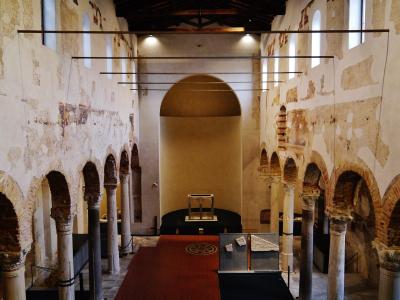
Basilica di San Salvatore
UNESCO site with Lombard, Roman, and Renaissance architec...
Archaeological Museums · Architectural Monuments
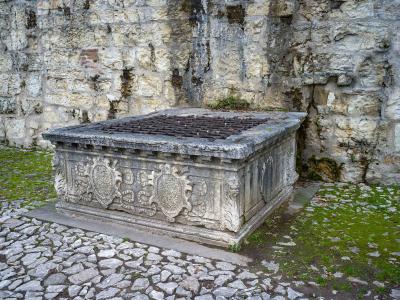
Castello di Brescia
Historic fortress on Cidneo Hill with two museums
Architectural Monuments · Castles & Fortresses
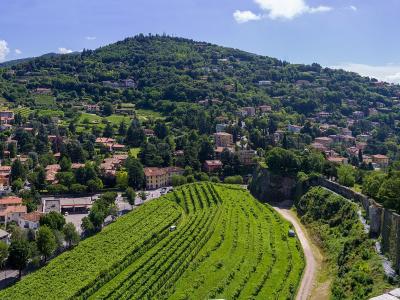
Colle Cidneo Viewpoint
Medieval fortress with panoramic views of Brescia and the...
Free Castles & Fortresses · Hillside Trails
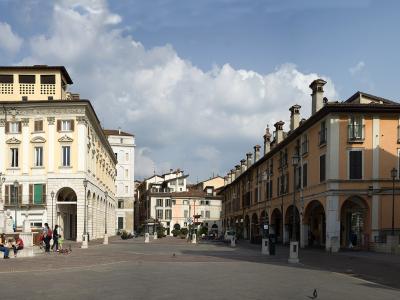
Mercato delle Erbe
15th-century square with diverse architecture
Historic Districts · Local Markets
Questions people ask
Quick Facts
Best Time to Visit
Visit between April and June or September and October for mild temperatures and fewer crowds.