







- Where
- Brescia, Lombardy
- Directions
- Directions
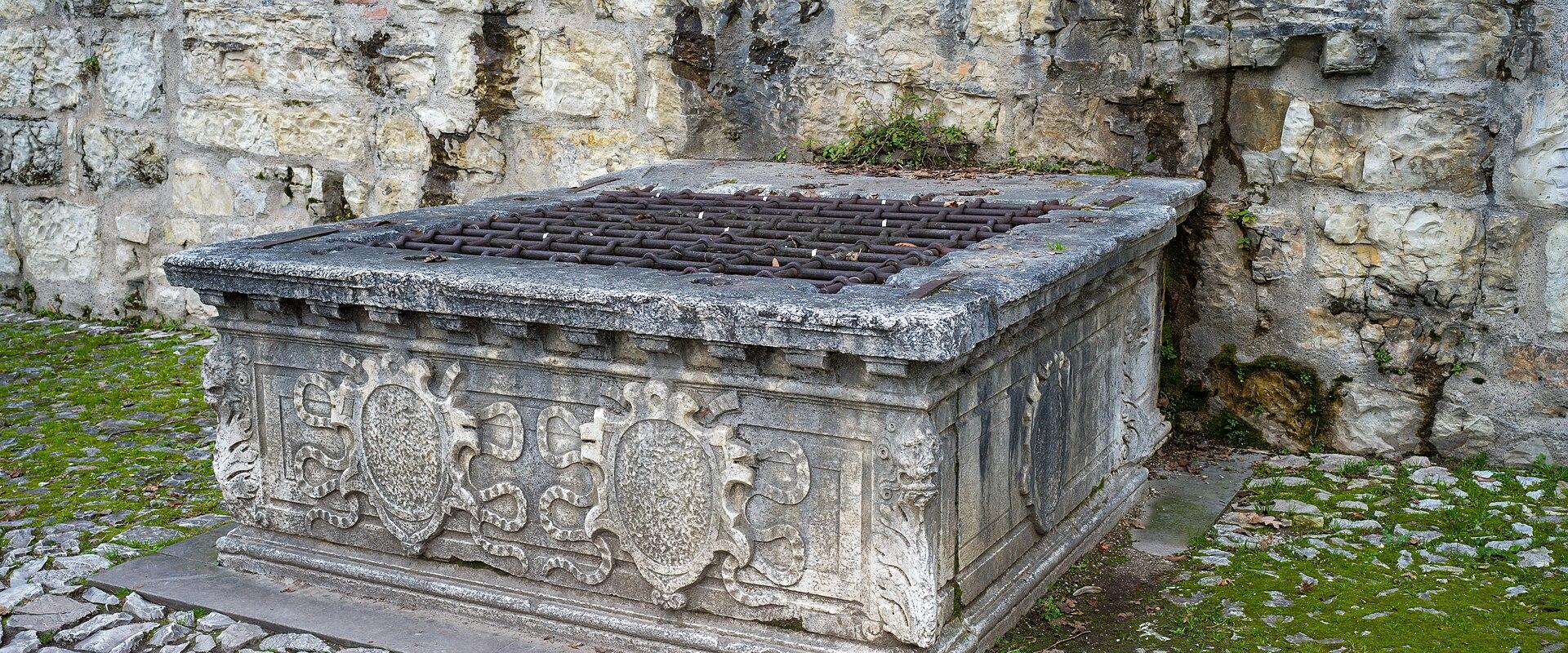
Castello di Brescia, located on Cidneo Hill, is a significant European fortified complex and a major tourist attraction in Brescia, a city in Lombardy at the foot of the Alps. It dominates the old town from the summit of the hill, which rises right behind the historic center, and its walls and towers can be seen from many parts of the city. It showcases layers of history from the Roman era through the Visconti and Venetian dominations, since the hill was the site of the earliest settlements of the area and has been fortified for over two thousand years. Today, it is also a large park, with lawns, gardens and vineyards, and it is a popular place for locals to walk and relax.
Key architectural features include the Mastio, the great central keep, built by the Visconti, the lords of Milan, in the 14th century, the Torre dei Prigionieri, the Prisoners’ Tower, the Mirabella Tower and imposing Venetian bastions. The Venetian Republic ruled Brescia from the early 15th century to the end of the 18th century and strengthened the fortress in the 16th century with huge sloping walls and bastions, designed to resist cannon fire, which still dominate the slopes. Frescoes, in the Torre dei Prigionieri, show a rare cycle of paintings of the 14th century, and towers and passages can be explored. The site houses two museums: the Luigi Marzoli Arms and Armor Museum and the Museum of the Risorgimento Lioness of Italy.
The castle is historically pivotal to the Ten Days of Brescia in 1849, a key event in the Italian Risorgimento against Austrian rule. In the spring of that year, the people of Brescia rose against the Austrian garrison and held out for ten days against a far larger force, until the city was bombarded and taken, and the heroism of the city earned it the nickname of the Lioness of Italy. This history is preserved within the Museum of the Risorgimento, which details the city’s struggle for independence. The Luigi Marzoli Museum displays an extensive collection of weapons and armor, offering insight into military history, with suits of armor, swords, firearms and crossbows from the 15th to the 17th century, many of them made in Brescia, which was famous for its arms industry.
The view from the hill is one of the best in the city: from the ramparts, one can see the red roofs of the old town, the domes of the cathedral, the streets and the plain stretching toward the mountains. Cafes and open lawns in the grounds add to the leisure side of the visit. The castle can be reached on foot by a climb of about twenty minutes from the old town, by paths and steps through the park.
It is advisable to check the official Fondazione Brescia Musei website for current schedules and ticket prices. Exploring Castello di Brescia offers insight into Brescia’s military and political heritage. It is an essential stop to appreciate the region’s historical legacy. The combination of historical depth and panoramic views makes it a memorable destination. It complements visits to other landmarks in Brescia, such as the Roman Forum and the Tempio Capitolare, the Capitoline Temple, providing a view of the city’s identity. Visitors are advised to wear comfortable shoes suitable for walking on the hill and to allocate sufficient time to visit both museums.
More photos coming soon
Nearby Attractions
Other places to visit in Brescia
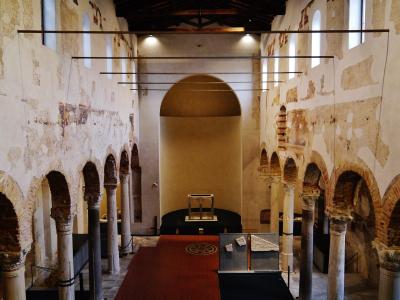
Basilica di San Salvatore
UNESCO site with Lombard, Roman, and Renaissance architec...
Archaeological Museums · Architectural Monuments
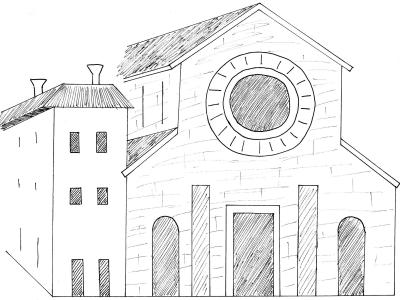
Basilica of San Pietro de Dom
Early Christian basilica in Brescia
Ancient Ruins · Archaeological Museums
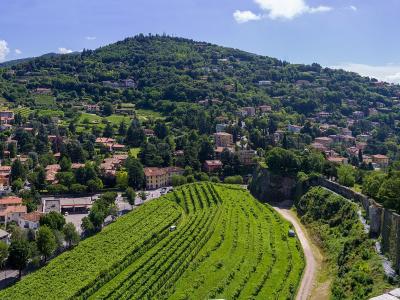
Colle Cidneo Viewpoint
Medieval fortress with panoramic views of Brescia and the...
Free Castles & Fortresses · Hillside Trails
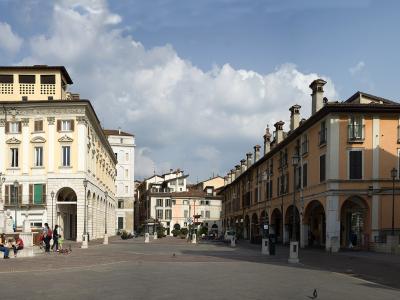
Mercato delle Erbe
15th-century square with diverse architecture
Historic Districts · Local Markets
Questions people ask
Quick Facts
Best Time to Visit
Visit between April and June or September and October for mild temperatures and fewer crowds.