







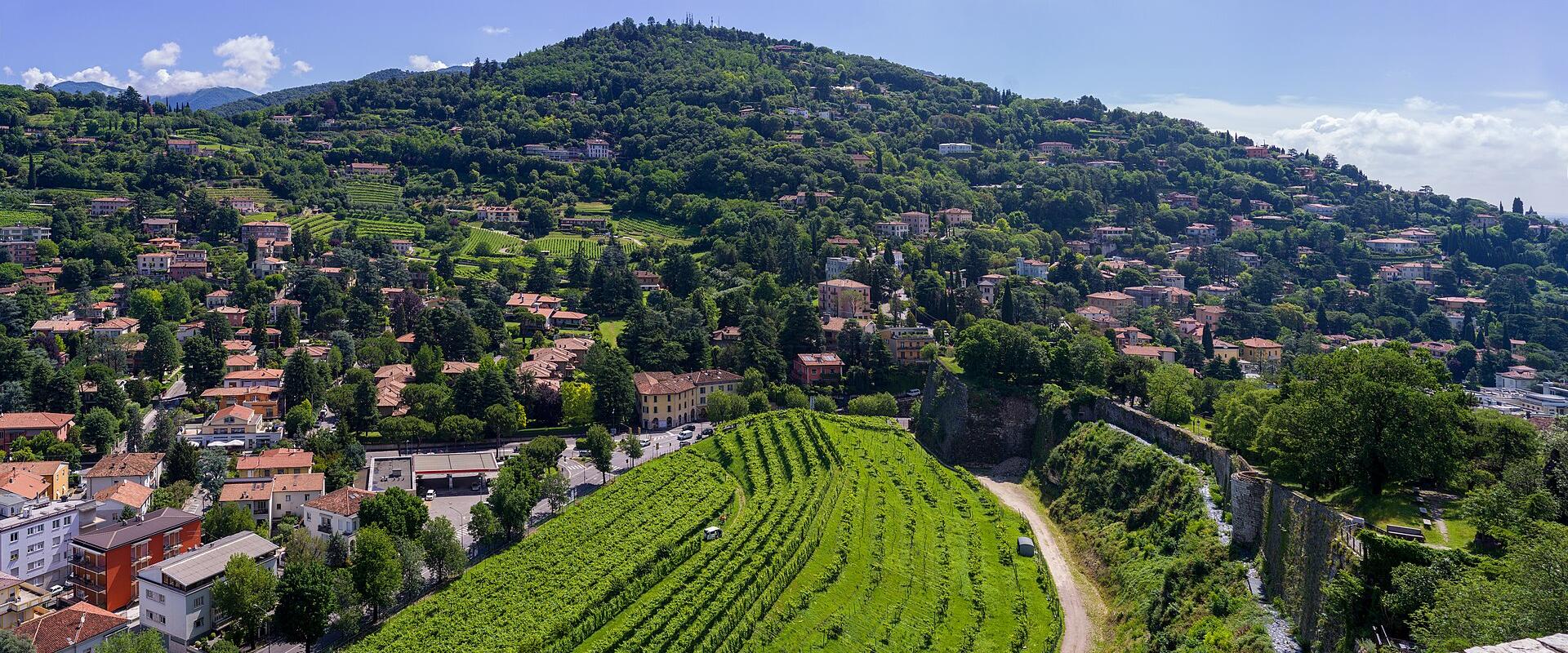
Colle Cidneo Viewpoint
Medieval fortress with panoramic views of Brescia and the...
- Admission
- Free access to outdoor areas
- Where
- Brescia, Lombardy
- Directions
- Directions
Colle Cidneo is the hill that rises directly above the historic centre of Brescia, in Lombardy, and it is Brescia’s most important landmark and viewpoint, in the north of Italy. It belongs to the Brescia Prealps, the foothills of the Alps that frame the city to the north, and it carries the great fortress known as the Brescia Castle, the Castello di Brescia. The hill is also a public park, and it is the place where Brescians go for a walk, a view and fresh air within a few minutes of Piazza del Duomo.
The history of the hill goes back almost two thousand years and more. Prehistoric and Celtic groups lived on or near the hill, and the Romans fortified it in the first century BC, building a sanctuary and defences that overlooked their city. In the Middle Ages the hill became the site of a castle, which grew under the Visconti and later the Venetians into a huge fortress with walls, towers and bastions. The fortress is nicknamed the Falcone, and the name has a patriotic echo. The city's resistance during the Ten Days of Brescia in 1849 against Austrian rule gave Brescia the title Leonessa, the lioness, and the castle's nickname is also linked to the Risorgimento, the movement for Italian unification. In the Renaissance the Venetians added the great walls.
Inside the walls there is a good deal to see. The Visconteo Keep, the old central tower, has medieval frescoes and displays of weapons. The castle houses the Risorgimento Museum, and an arms museum is also located within it. The Mirabella Tower, a round tower from the Visconti period, stands at the highest point and is one of the landmarks of the walls. The Pusterla Vineyard, a small vineyard planted on the slope, is described as one of Europe's oldest urban vineyards, and its grapes are still harvested. Underground tours explore the tunnels and cisterns beneath the fortress.
The outdoor areas are free to enter, and the walk up takes about fifteen to twenty minutes by paths and stairs, or longer on the road. Along the way, the views open out across the roofs of Brescia, with the cathedral dome and the Roman remains below, the plain of the Po Valley to the south and the Alps to the north. Close to the foot of the hill, the Roman Amphitheater and the Capitolium, the temple of the Roman city, form part of the same layers of history. The Basilica di San Salvatore and the Museo di Santa Giulia, which are part of the city's Lombard heritage, are within easy reach.
The best time to climb is late afternoon, when the light is warm and the city starts to light up, but the early morning is quieter. Wear comfortable shoes, carry water and allow two hours for the hill and the museums if you want to see them. Some parts of the castle have limited opening hours, so check locally.
Categories
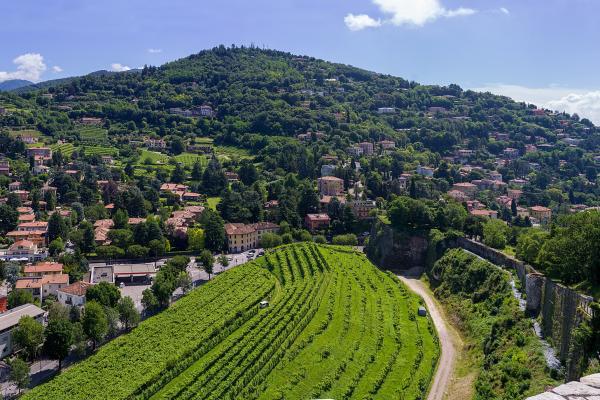
More photos coming soon
Admission Fees
- Admission
- Free access to outdoor areas
Hours and prices change, especially out of season. Check with the venue before you go.
Nearby Attractions
Other places to visit in Brescia
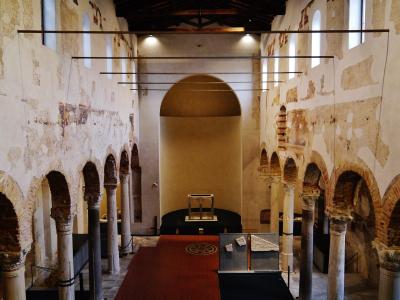
Basilica di San Salvatore
UNESCO site with Lombard, Roman, and Renaissance architec...
Archaeological Museums · Architectural Monuments
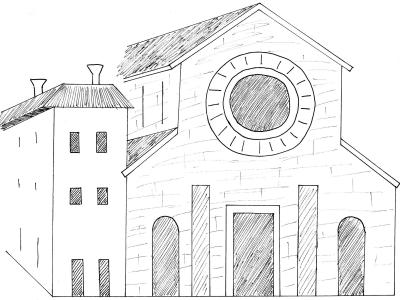
Basilica of San Pietro de Dom
Early Christian basilica in Brescia
Ancient Ruins · Archaeological Museums
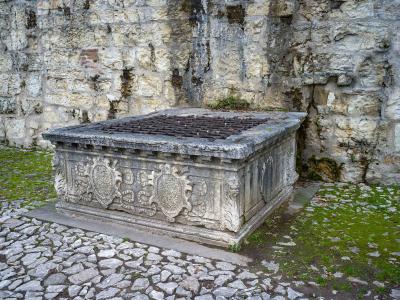
Castello di Brescia
Historic fortress on Cidneo Hill with two museums
Architectural Monuments · Castles & Fortresses
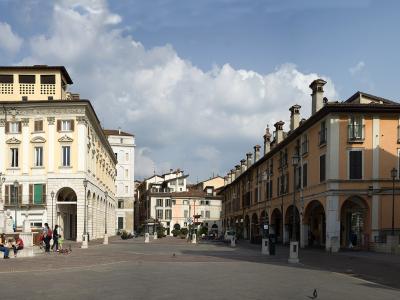
Mercato delle Erbe
15th-century square with diverse architecture
Historic Districts · Local Markets
Questions people ask
Quick Facts
Best Time to Visit
Visit between April and June or September and October for mild temperatures and fewer crowds.