







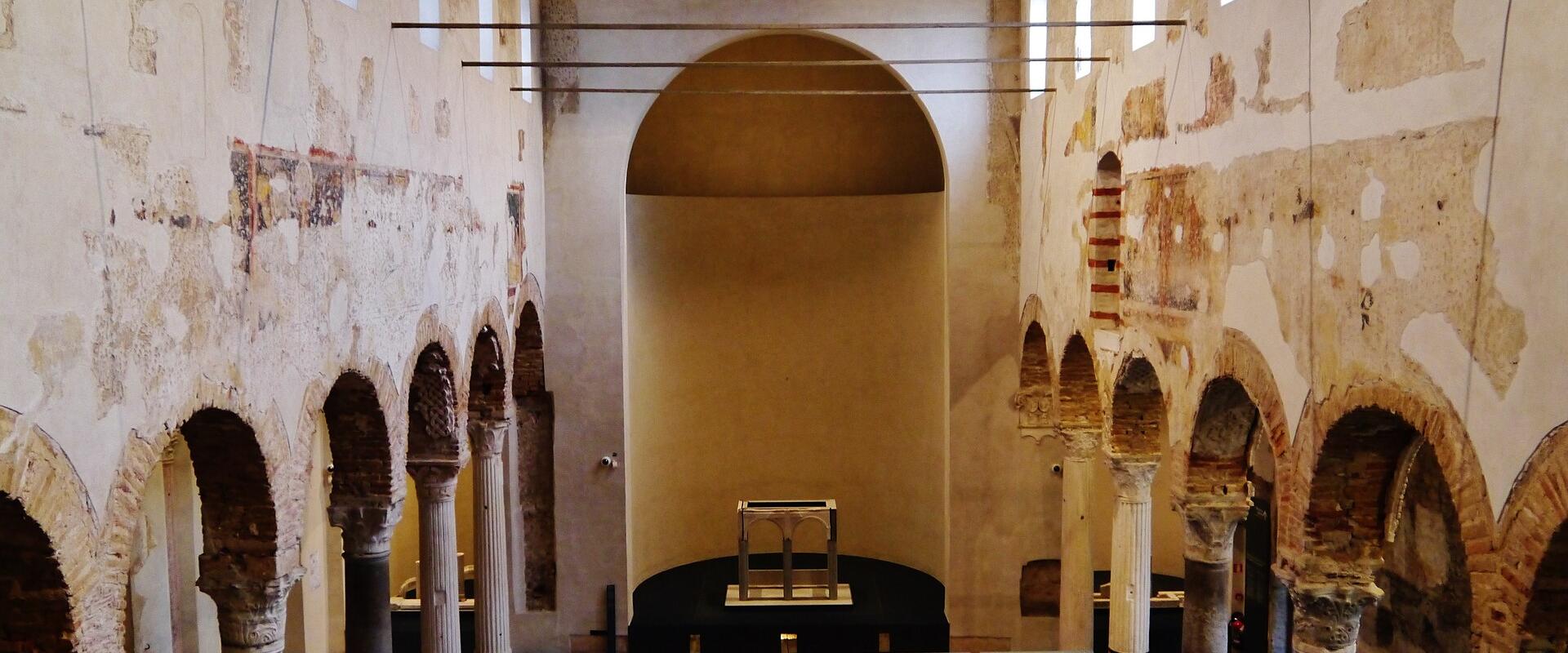
Basilica di San Salvatore
UNESCO site with Lombard, Roman, and Renaissance architec...
- Where
- Brescia, Lombardy
- Directions
- Directions
The Basilica di San Salvatore in Brescia is one of the most important early medieval churches in northern Italy, and it lies within the Santa Giulia Museum complex, in the old center of the city. It was founded in 753 by Desiderius, at that time duke of Brescia and soon to become the last Lombard King, together with his wife Ansa, and it began as a female monastery, with their daughter Anselperga as the first abbess. Such royal foundations were a way for the Lombard rulers to display their power and piety, and the monastery grew into one of the richest in the kingdom. The site was designated a UNESCO World Heritage Site in 2011 as part of Longobards in Italy: Places of Power (568–774 A.D.).
The basilica is the oldest church of the complex, and part of its fabric dates back to the 8th century, making it a rare survivor of Lombard architecture. Its tall nave, divided by rows of ancient and reused columns, retains an early medieval feeling, and fragments of early frescoes and decoration have survived on the walls and arches. Reused Roman material, including marble columns and capitals taken from older buildings, reflects the way the Lombards built on the remains of Roman Brixia.
Visitors are struck by the site’s architectural diversity, which features Roman remains alongside pre-Romanesque, Romanesque and Renaissance buildings. Beneath and beside the monastery, excavations have revealed Roman houses with mosaic floors. The Romanesque church of Santa Maria in Solario, from the 12th century, houses a precious early medieval jeweled cross, and the Renaissance nuns’ choir is decorated with frescoes. This blend of styles reflects the long and complex history of the monastery, which continued as a convent until the early 19th century.
The basilica is traditionally associated with Desiderata, the daughter of Desiderius and, according to tradition, wife of Charlemagne, whose marriage was annulled in 771, after which she is said to have retired to the monastery. The story belongs to the legends that grew around the Lombard court, and it appears in Italian literature, though historians treat the details with caution.
It is advisable to check the official Fondazione Brescia Musei website for current schedules and ticket information, since the site is part of the city’s main museum. A visit to the basilica and the neighboring buildings takes two hours or more, and the museum also has collections of art and archaeology from Brescia’s long history. The experience offers a deep insight into Lombard history and early medieval architecture, and the site is a compelling stop for understanding the religious and political power structures of early medieval Italy. The Capitolium, the Roman temple complex, and the Castello di Brescia are within walking distance, so the basilica combines well with the other sights of the city’s Roman and medieval past.
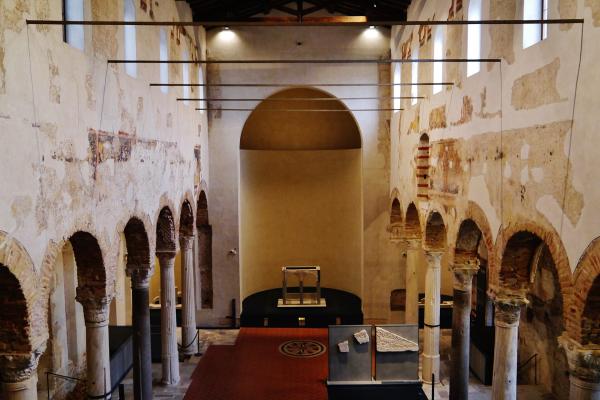
More photos coming soon
Nearby Attractions
Other places to visit in Brescia
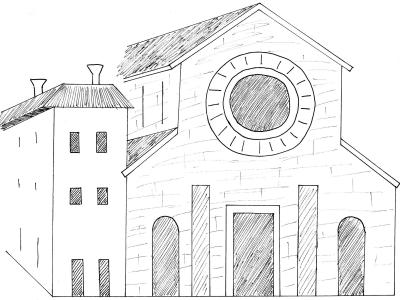
Basilica of San Pietro de Dom
Early Christian basilica in Brescia
Ancient Ruins · Archaeological Museums
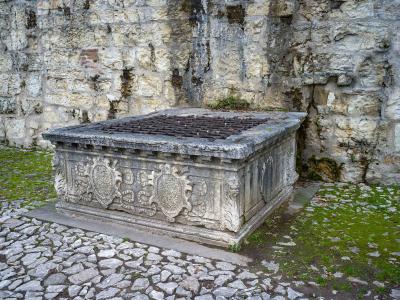
Castello di Brescia
Historic fortress on Cidneo Hill with two museums
Architectural Monuments · Castles & Fortresses
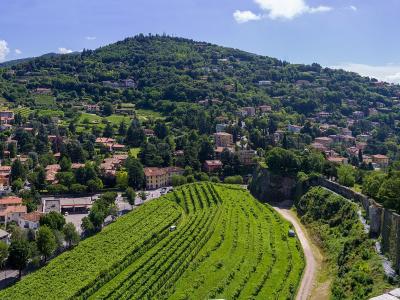
Colle Cidneo Viewpoint
Medieval fortress with panoramic views of Brescia and the...
Free Castles & Fortresses · Hillside Trails
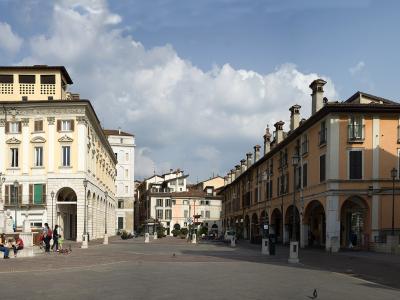
Mercato delle Erbe
15th-century square with diverse architecture
Historic Districts · Local Markets
Questions people ask
Quick Facts
Best Time to Visit
Visit between April and June or September and October for mild temperatures and fewer crowds.