Bellagio
Historic peninsula town on Lake Como known for villas and gardens
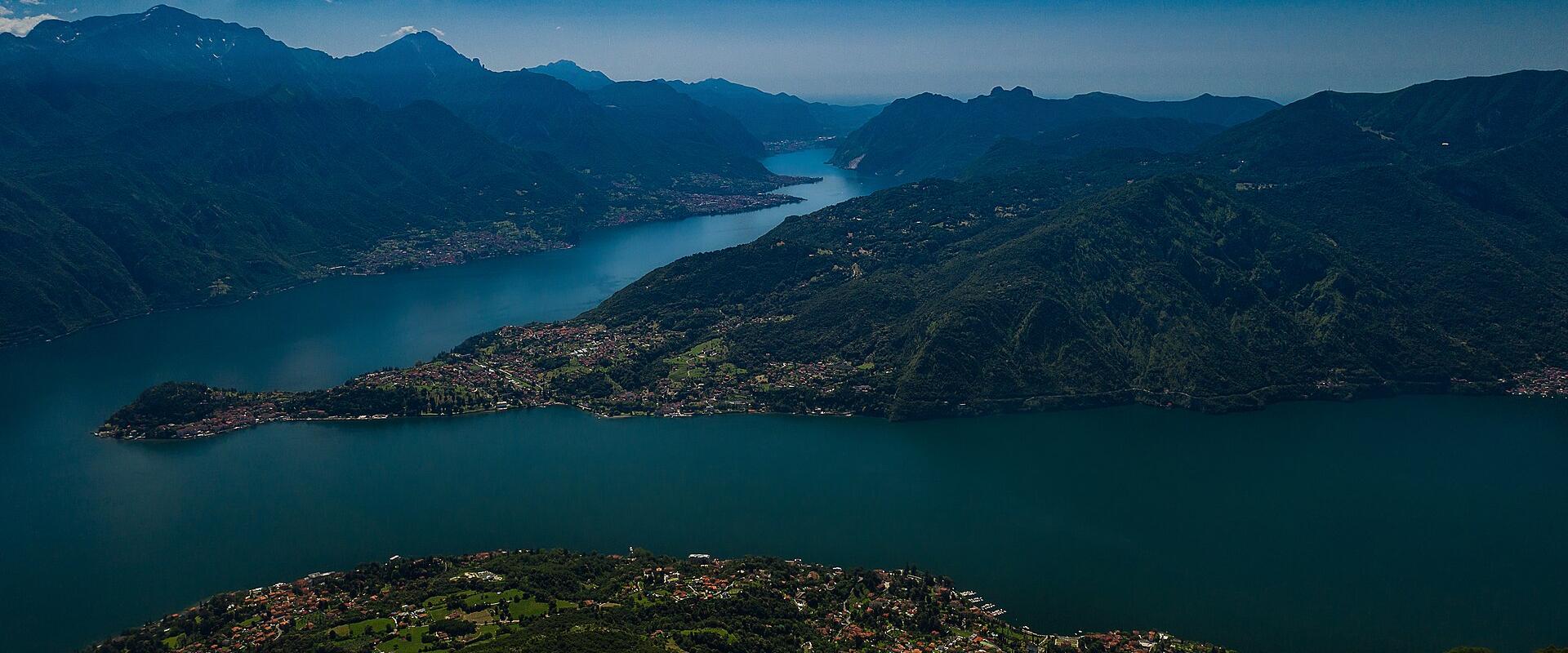
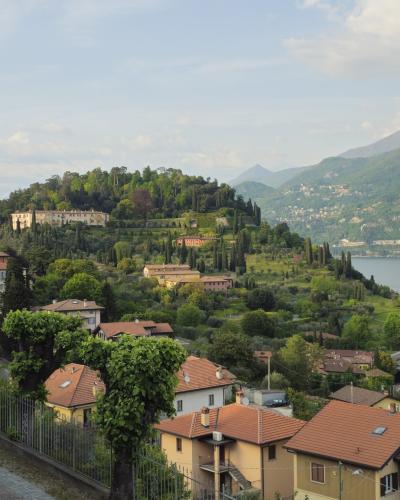
Bellagio’s history dates back to the Roman era, when it was known as Belasium. The town’s location on the peninsula made it a strategic point for trade and defense. During the Middle Ages, Bellagio was controlled by various powers, including the Visconti and Sforza families of Milan, and later came under Venetian influence. The 18th and 19th centuries marked a golden age for Bellagio, as it became a popular destination for European nobility and artists seeking the region’s mild climate and scenic beauty. This period saw the construction of many of the town’s most famous villas and gardens, which remain its primary attractions today. The town’s architecture reflects this era, with elegant facades and well-preserved historic buildings. Bellagio also played a role in the Italian unification movement, with local residents participating in the Risorgimento.
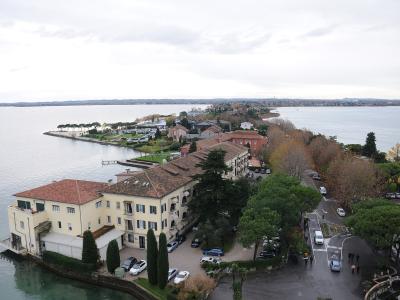
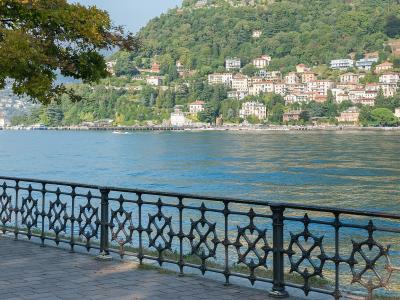
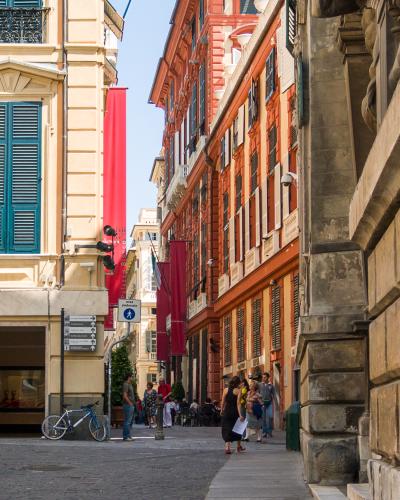
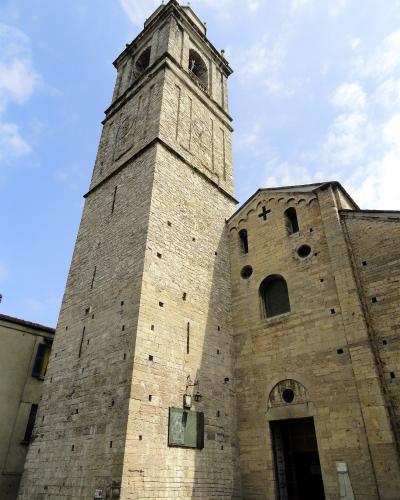
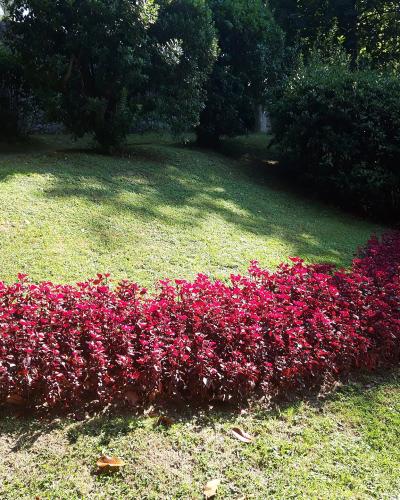
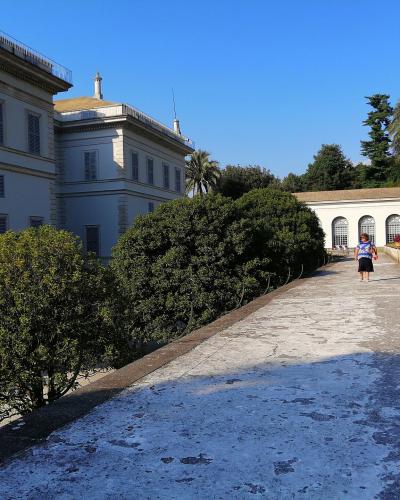
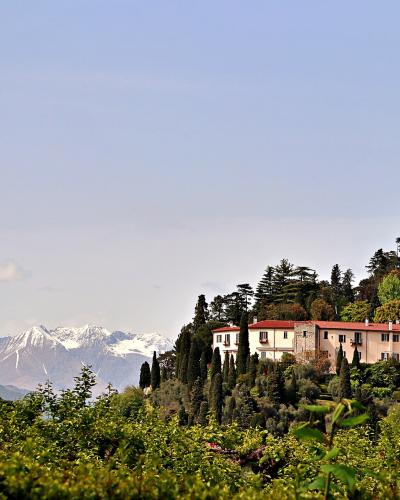
The main attractions in Bellagio are its historic villas and gardens. Villa Melzi d’Eril is one of the most visited sites, featuring a beautiful neoclassical villa and extensive English-style gardens with exotic plants and statues overlooking the lake. Villa Serbelloni, located on the tip of the peninsula, offers another stunning example of lakeside elegance, with its gardens open to the public and its historic buildings housing a conference center. The town’s historic center is a maze of narrow streets, lined with shops, cafes, and restaurants. The Church of San Giacomo is a notable landmark, known for its bell tower and interior frescoes. The Punta Spartivento, the tip of the peninsula, offers one of the best panoramic views of Lake Como, where the lake splits into the Como and Lecco branches. The town also hosts the Festival of the Limoni, a spring celebration of the local lemon industry, which historically thrived in the area’s microclimate.
Activities in Bellagio include exploring the villas and gardens, walking along the lakeside promenades, and taking boat trips to other towns on the lake. The town is a starting point for hiking trails in the surrounding hills, such as the Sentiero del Viandante, which offers scenic views of the lake and mountains. Dining in Bellagio features traditional Lombard cuisine, with fresh fish from the lake and local wines. The town also offers opportunities for shopping, with boutiques selling local ceramics, silk, and handicrafts. For those interested in history, guided tours are available to explore the villas and learn about the town’s aristocratic past. Bellagio is also a base for visiting nearby attractions, such as the Villa Carlotta in Tremezzo and the Isola Bella in the Borromean Islands.
Getting to Bellagio is convenient via road and water. The town is accessible by car from Milan and Como, with the SS340 road providing scenic routes along the lake. Bellagio has a ferry terminal with regular connections to other towns on Lake Como, including Como, Lecco, and Menaggio. For those traveling by air, the nearest airports are in Milan and Bergamo. The best time to visit Bellagio is from April to June or September to October, when the weather is mild and pleasant, ideal for exploring the outdoor attractions and gardens. July and August are peak tourist months, with higher temperatures and larger crowds. Winter is mild but some tourist facilities may have limited hours. Despite the seasonal variations, Bellagio’s natural beauty and historical charm make it a rewarding destination year-round.
Best Time to Visit
Visit between April and June or September and October for mild temperatures and fewer crowds.
Plan Your Visit to Bellagio
Essential travel tips and information for your trip to Bellagio.
Suggested Itineraries
One Day in Bellagio
1 dayBellagio lakeside stroll, Villa Melzi Gardens, and boat tour
View ItineraryTravel Tips
Currency
EUR • Cards widely accepted
Language
Italian • English in tourist areas
WiFi
Free WiFi in cafes and hotels
Explore Bellagio by Interest
Discover attractions and experiences in Bellagio organized by your interests and travel preferences.

All attractions in Bellagio
Sorted by our recommendation score
Quick Facts
Book your stay
Frequently Asked Questions
More destinations in Lombardy
Explore other amazing places in the Lombardy region