







- Where
- Aquileia, Friuli Venezia Giulia
- Directions
- Directions
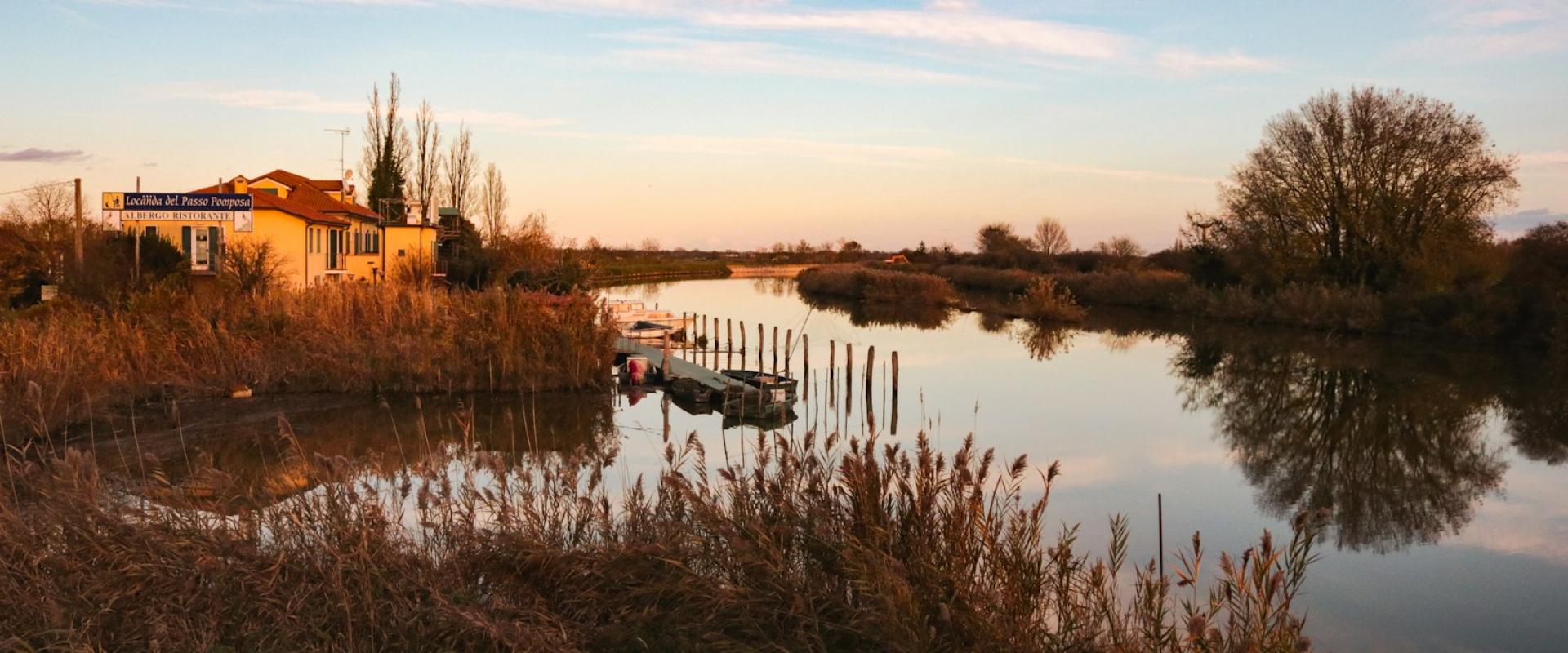
The Lagoon of Grado and the wetlands around Aquileia form, in northern Italy and close to a UNESCO site, one of the great lagoon systems of the northern Adriatic, a flat and watery landscape stretching for about thirty kilometres along the coast of Friuli-Venezia Giulia, between the mouths of the Isonzo and Tagliamento rivers. The lagoon covers some sixteen thousand hectares of water, mudflats, reed beds and salt marsh, and scattered through it are around a hundred small islands. Tides flow in and out through channels between the barrier islands and the open sea, so the shape of the landscape changes with the hours and the seasons. It is a much quieter and more natural place than the lagoon of Venice, and the sense of space is one of its main attractions.
For wildlife, the area is important. Herons, egrets, avocets, cormorants and many wading birds feed in the shallows and nest in the reeds, and in winter large flocks of ducks and geese arrive from the north, which makes it one of the best places for birdwatching in the region. Protected areas such as the Valle Cavanata reserve near Grado and the reserve at the mouth of the Isonzo, with its visitor centre on the island of Cona, offer observation hides and marked paths. Fish, crabs and shellfish thrive in the lagoon, and the local cooking makes the most of them.
People have used the lagoon for fishing for many centuries, and traces of that tradition survive in the casoni, the simple huts of reeds and wood that fishermen built on small islands and still use in some places. The town of Grado, built on an island at the southern edge, has a historic centre with an early Christian basilica and narrow lanes, and from Grado, boats run to the small island of Barbana, with its pilgrimage sanctuary dedicated to the Virgin Mary. The Roman and early Christian city of Aquileia stands at the lagoon’s northern edge, and in antiquity its river port connected it to the sea through these waters.
Visitors can explore the lagoon in several ways: on guided boat trips, by kayak, on foot along the embankments, or by bicycle on paths that run along the edges of the water. The best seasons are spring and autumn for bird migration and mild weather, while summer can be hot and sometimes buggy. The Aquileia Birdwatching Center and the archaeological sites make useful companions. The lagoon suits nature lovers, photographers and anyone who wants a calm landscape, and it combines naturally with a day among the Roman ruins of Aquileia.
Categories
More photos coming soon
Nearby Attractions
Other places to visit in Aquileia
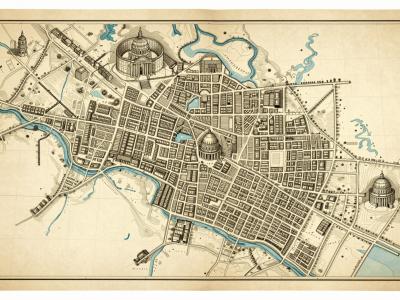
Archaeological Park of Aquileia
National Archaeological Museum with ancient Roman mosaics
Ancient Ruins · Archaeological Museums
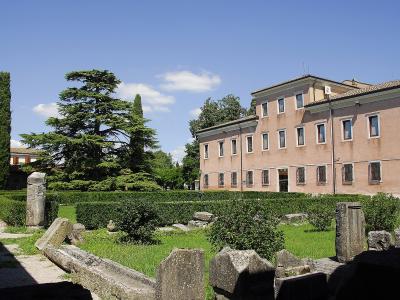
National Archaeological Museum of Aquileia
1882 museum in Villa Cassis Faraone
History & Heritage · Archaeological Museums
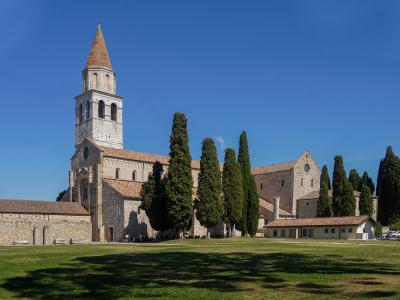
Aquileia Birdwatching Center
Birdwatching center in UNESCO heritage wetlands
Museums & Culture · Natural Wonders
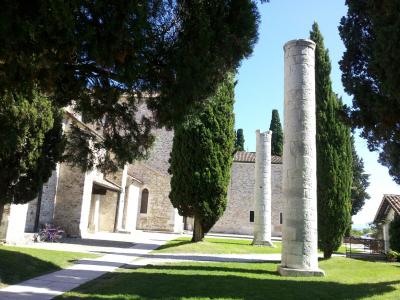
Patriarch's Palace
UNESCO site with 5th-century mosaic floors
From €9 Ancient Ruins · Historic Churches
Questions people ask
Quick Facts
Best Time to Visit
Visit in April to June or September to October for mild weather and fewer crowds.