







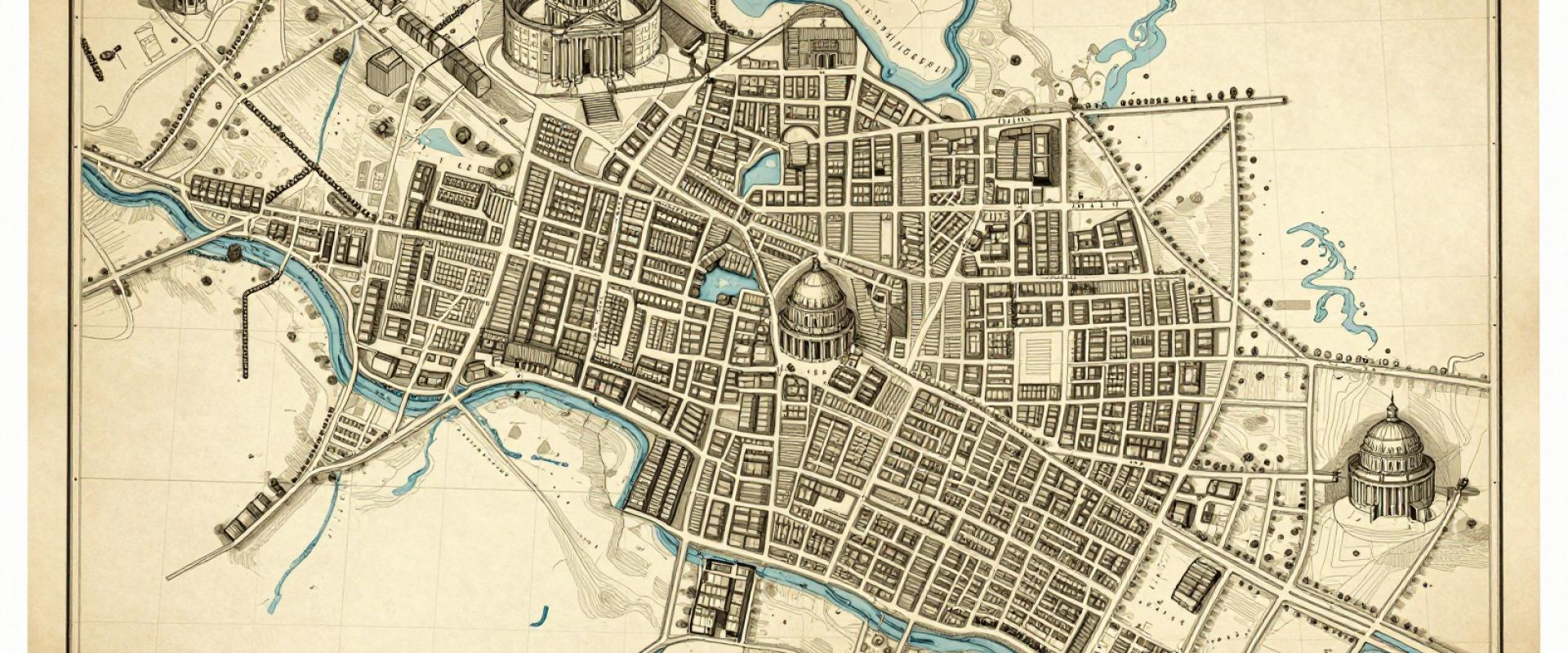
Archaeological Park of Aquileia
National Archaeological Museum with ancient Roman mosaics
- Hours
- Tuesday-Sunday 1:30pm to 7:30pm (Ticket office/bookshop close at 7pm)
- Where
- Aquileia, Friuli Venezia Giulia
- Directions
- Directions
Aquileia lies in the lowlands of Friuli Venezia Giulia in north-eastern Italy, near the Grado lagoon, and the Archaeological Park of Aquileia preserves part of what was once one of the largest and wealthiest cities of the Roman Empire. The town was founded by the Romans in 181 BC as a frontier colony, and its position at the head of the Adriatic, with a river port connecting it to the sea and roads running north across the Alps, made it a major centre for trade and for the army. In late antiquity it became a leading Christian city, the seat of a patriarchate whose influence spread across much of northern Italy and central Europe. Attila’s army sacked the city in 452, after which it declined, though the remains were never completely built over, which is why so much has survived in the fields.
The park is made up of several separate areas that you visit on foot or by bike across a flat landscape. Visitors can see the remains of the river port with its stone quay, the forum with a line of columns, stretches of Roman roads, the foundations of large houses with mosaic floors, and burial grounds along the roads. Many of the houses have preserved floors in black and white or colour, and the best of them show animals, scenes from daily life and mythological subjects. The Western world’s largest early Christian floor mosaic, laid in the early 4th century, covers the floor of the Basilica of Aquileia, which stands a little apart from the excavations. The Basilica, the bell tower and the nearby complex are part of the UNESCO site, which was inscribed in 1998.
The finds from the excavations are displayed in the National Archaeological Museum, which has statues, portraits, glass, gems and inscriptions, and gives context for the ruins in the open. The Patriarchal Palace area and the early Christian remains next to the basilica complete the picture of the town’s religious importance. Because the sites are spread out, comfortable shoes are essential, and the terrain is often grassy and uneven. There is little shade in summer, so a hat and water help.
A visit suits anyone interested in Roman history and early Christianity, and the combination of mosaics, quiet fields and a village atmosphere makes a calm day out. Guided tours add useful context, and it is worth allowing half a day. The town is also a convenient base for the lagoon of Grado and the wetlands nearby.
Categories
More photos coming soon
Opening Hours
- Open
- Tuesday-Sunday 1:30pm to 7:30pm (Ticket office/bookshop close at 7pm)
Hours and prices change, especially out of season. Check with the venue before you go.
Nearby Attractions
Other places to visit in Aquileia
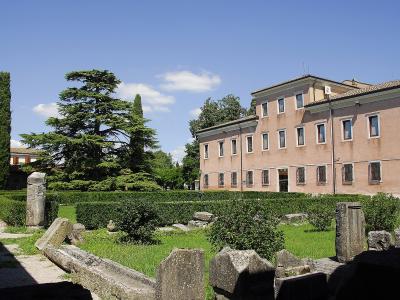
National Archaeological Museum of Aquileia
1882 museum in Villa Cassis Faraone
History & Heritage · Archaeological Museums
Aquileia Birdwatching Center
Birdwatching center in UNESCO heritage wetlands
Museums & Culture · Natural Wonders
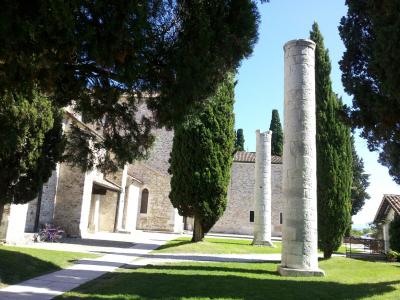
Patriarch's Palace
UNESCO site with 5th-century mosaic floors
From €9 Ancient Ruins · Historic Churches
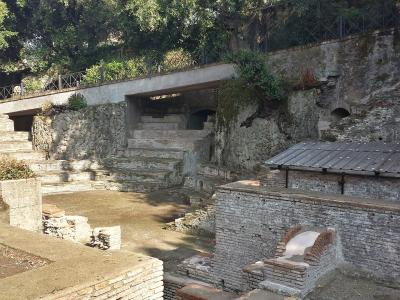
Parco della Villa Imperiale
Imperial Roman villa ruins in Aquileia
History & Heritage · Natural Wonders
Questions people ask
Quick Facts
Best Time to Visit
Visit in April to June or September to October for mild weather and fewer crowds.