







- Where
- Aquileia, Friuli Venezia Giulia
- Directions
- Directions
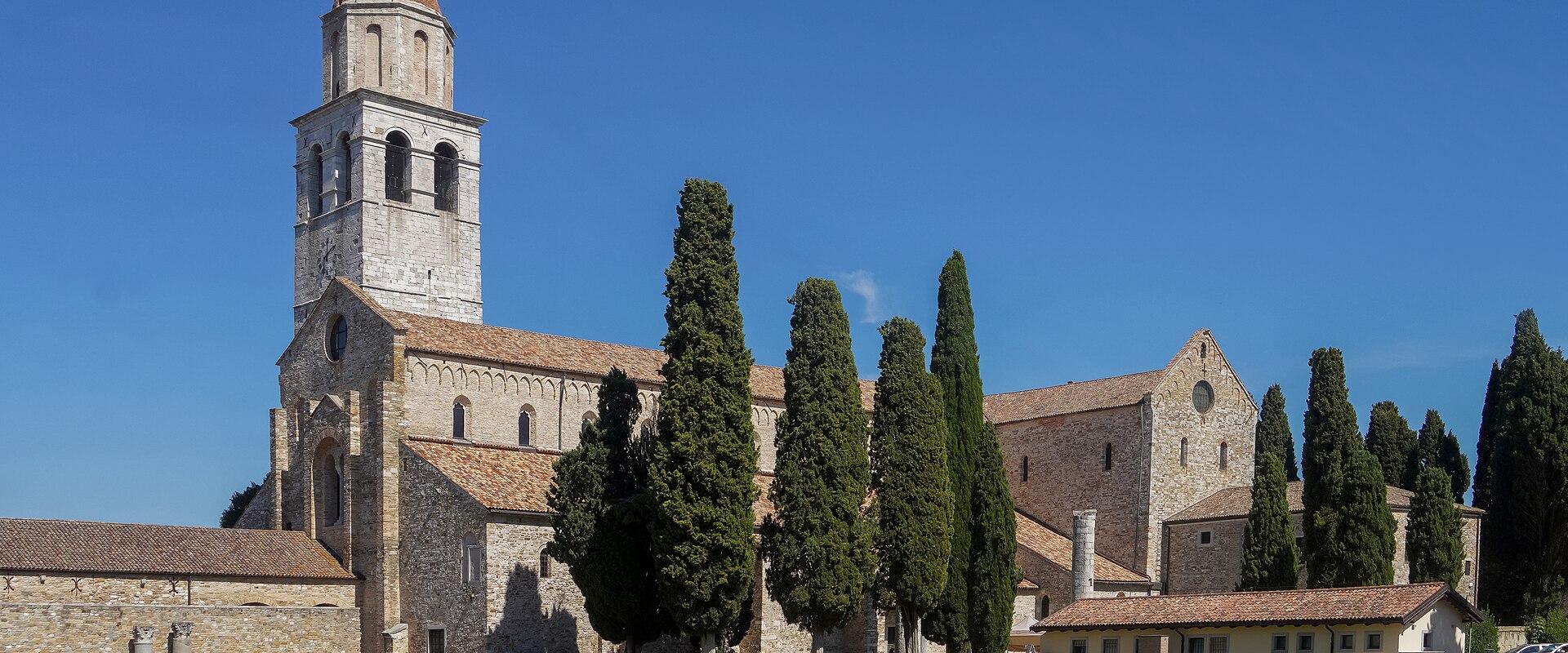
Aquileia lies in the Friuli-Venezia Giulia region, close to the northern edge of the Adriatic, and its surroundings are flat farmland, canals and marshy lagoon. The ancient Roman city, founded as a colony in 181 BC, became one of the largest cities of the empire, and its archaeological areas and patriarchal basilica make up a UNESCO World Heritage Site. Just beyond the town, the landscape changes to reed beds, mudflats and shallow water, the western part of the same lagoon system that continues to Grado and Marano, and this is where the birdwatching appeal comes from. The wetlands are described in a separate entry for the lagoon and wetlands; here the focus is the activity of watching birds in that setting.
The lagoon and the coastal marshes lie on a major migration route between northern Europe and the Mediterranean, and the mix of fresh and salt water attracts many species through the year. In autumn and winter, large numbers of waterfowl gather, including ducks, geese and coots. Herons and egrets stalk the shallows, and in some years flamingos have been seen in the lagoon system. Birds of prey hunt over the reeds, and in spring, waders pass through on their way north. Patience is the main equipment: dawn and dusk are the best times, when the birds are most active and the light is soft on the water.
The Aquileia Birdwatching Center belongs to this general picture of nature tourism around the Roman city. As with any such facility, its role is to give visitors a place to learn about the local wildlife and conservation and, in many wetland areas, to provide hides or observation points where people can watch without disturbing the birds. Check the Fondazione Aquileia and local tourism offices for current schedules and tour availability, and for what is actually offered on a given day.
A sensible kit for a morning here includes binoculars, a field guide, waterproof shoes and layers, since the air off the lagoon can be damp and cool even when the sun is out. Mosquitoes can be a nuisance in warm months, so repellent is useful. Silence and slow movement matter more than any equipment, and keeping to marked paths protects the nesting areas.
Aquileia is reached by road from Udine and Trieste, and by train and bus connections from Venice via Cervignano. Combining a morning of birdwatching with an afternoon among the mosaics of the basilica and the Roman remains makes for a varied day, joining natural history with archaeology. It suits nature lovers, photographers and families.
Categories
More photos coming soon
Nearby Attractions
Other places to visit in Aquileia
Archaeological Park of Aquileia
National Archaeological Museum with ancient Roman mosaics
Ancient Ruins · Archaeological Museums
National Archaeological Museum of Aquileia
1882 museum in Villa Cassis Faraone
History & Heritage · Archaeological Museums
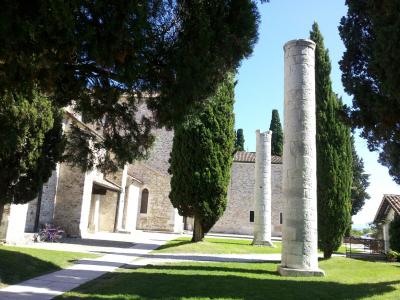
Patriarch's Palace
UNESCO site with 5th-century mosaic floors
From €9 Ancient Ruins · Historic Churches
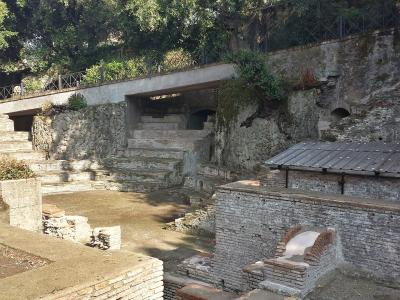
Parco della Villa Imperiale
Imperial Roman villa ruins in Aquileia
History & Heritage · Natural Wonders
Questions people ask
Quick Facts
Best Time to Visit
Visit in April to June or September to October for mild weather and fewer crowds.